
Hormone Testing in Seomyeon, Busan
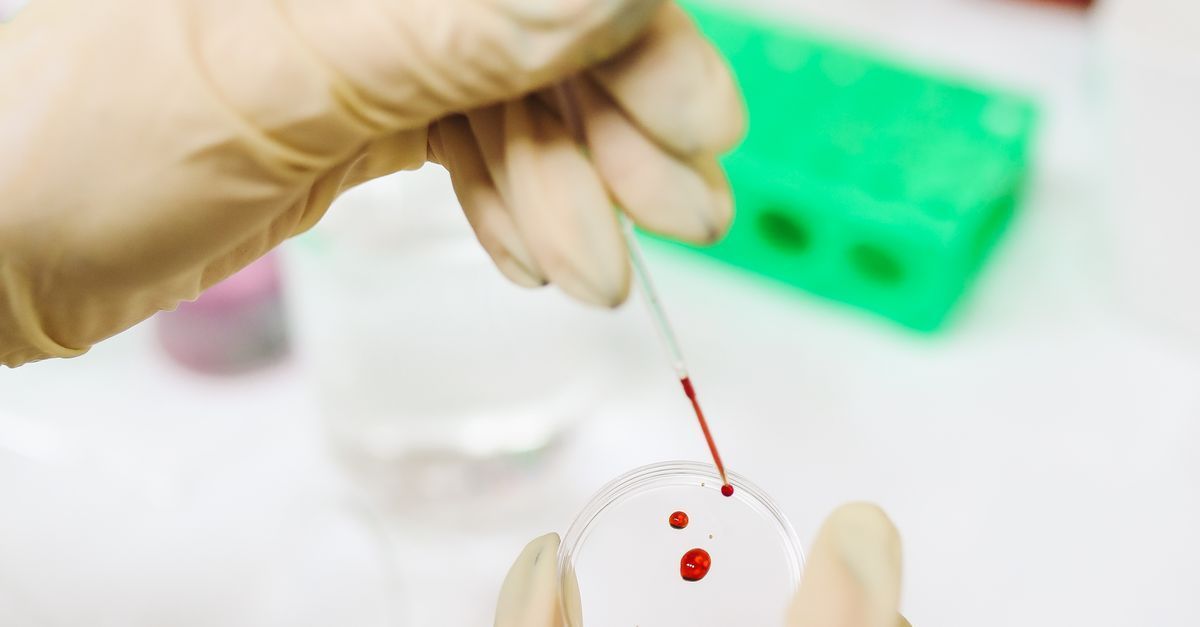
Hormone testing measures hormones in the blood, and sometimes urine or saliva, to diagnose endocrine conditions affecting energy, weight, periods, fertility, mood and metabolism. In Seomyeon, endocrinology clinics choose specific tests based on your symptoms rather than broad panels, often timing the blood draw for early morning or a particular day of the menstrual cycle. Most results are available within a few days.
Independent patient guide · Medically informative, not a substitute for a doctor's advice · Last reviewed:
What is hormone testing?
Hormones are chemical messengers produced by glands such as the thyroid, adrenals, pituitary, pancreas, ovaries and testes. Imbalances can cause symptoms ranging from fatigue and weight change to irregular periods, low libido, hair changes and mood disturbance. Hormone levels vary naturally with time of day, menstrual cycle, stress, illness, sleep and medicines, so the right test at the right time, interpreted by a specialist, matters more than testing everything.
Who is it for?
- Unexplained fatigue, weight gain or loss, or feeling unusually hot or cold
- Irregular, absent or very heavy periods, acne or excess hair growth
- Fertility concerns in women or men
- Menopause symptoms, particularly if under 45
- Low libido, erectile problems or reduced muscle mass in men
- Abnormal calcium, blood pressure or blood sugar results
What happens at the clinic
- Consultation: the doctor reviews symptoms, menstrual history, medicines, supplements and contraception, all of which affect results.
- Test selection: a focused set of tests is chosen, such as thyroid function for fatigue, or LH, FSH, prolactin and testosterone for irregular periods.
- Timing instructions: for example, early-morning testosterone or cortisol, or day 2–5 of the cycle for FSH and estradiol.
- Blood draw: taken at the scheduled time; some tests require fasting.
- Interpretation: the doctor explains results and orders confirmatory or dynamic tests if needed.
After testing
A single abnormal value is often repeated before diagnosis, because stress, poor sleep or illness can shift levels. Treatment depends on the confirmed condition, such as thyroid hormone, PCOS management, or testosterone replacement only when deficiency is clearly established. Be cautious of clinics offering hormone therapy based on non-standard tests.
Risks and limitations
Blood draws are low risk. The main limitations are timing, medicine interference and laboratory variation. Biotin supplements can distort several hormone assays, so stop them as advised before testing. Saliva and hair hormone tests used in some wellness settings are generally not reliable for diagnosis.
Choosing a clinic for hormone testing in Seomyeon
- Choose an endocrinologist who selects tests based on your symptoms.
- Ask about exact timing and fasting requirements before booking.
- Tell the clinic about contraceptive pills, steroids and supplements, including biotin.
- Ask whether dynamic tests are available if initial results are borderline.
- Request printed results with reference ranges.
Planning a morning draw
Many hormone tests need early-morning samples. Clinics close to Seomyeon Station, on both metro lines, open early enough to fit before work.
Key facts
- Common tests: TSH and free T4, cortisol, prolactin, LH, FSH, estradiol, testosterone, AMH, insulin, IGF-1, PTH
- Timing: many hormones need morning draws or specific cycle days
- Fasting: needed for some tests, such as insulin or glucose
- Procedure: a standard blood draw of a few minutes
- Results: usually within 1–7 days
- Interpretation: always alongside symptoms and examination
Frequently asked questions
When is the best time for hormone blood tests?
Many hormones, including cortisol and testosterone, are highest in the morning, so early tests are common. Female reproductive hormones are often measured on specific cycle days, typically day 2 to 5.
Do I need to fast for hormone testing?
Some tests, such as insulin and glucose, require fasting. Many hormone tests do not. Your clinic will give specific instructions based on the tests ordered.
Can supplements affect hormone test results?
Yes. High-dose biotin can distort several hormone assays, and herbal or bodybuilding supplements may alter levels. Tell the doctor about everything you take.
Is a full hormone panel better than targeted tests?
Not usually. Broad panels often produce borderline results that cause confusion. Targeted testing based on symptoms gives clearer answers and avoids unnecessary follow-up.
How long do hormone test results take?
Common hormones such as thyroid tests are often back within a day or two. Less common tests may take up to a week, depending on the laboratory.
Medical disclaimer: Seomyeon.Clinic is an independent information directory. Content is for general education and does not replace a consultation with a licensed physician. Suitability, risks, results and costs vary by person and clinic. In an emergency in Korea, call 119.