
Child Allergy Care in Seomyeon, Busan
Child allergy care diagnoses and manages allergic conditions in children (소아 알레르기), including food allergies, allergic rhinitis, hives and allergic eye symptoms. In Seomyeon, Busan, pediatric clinics typically take a detailed history and may order blood tests such as specific IgE or a MAST panel, then create a plan covering avoidance, medicines and what to do in a severe reaction.
Independent patient guide · Medically informative, not a substitute for a doctor's advice · Last reviewed:
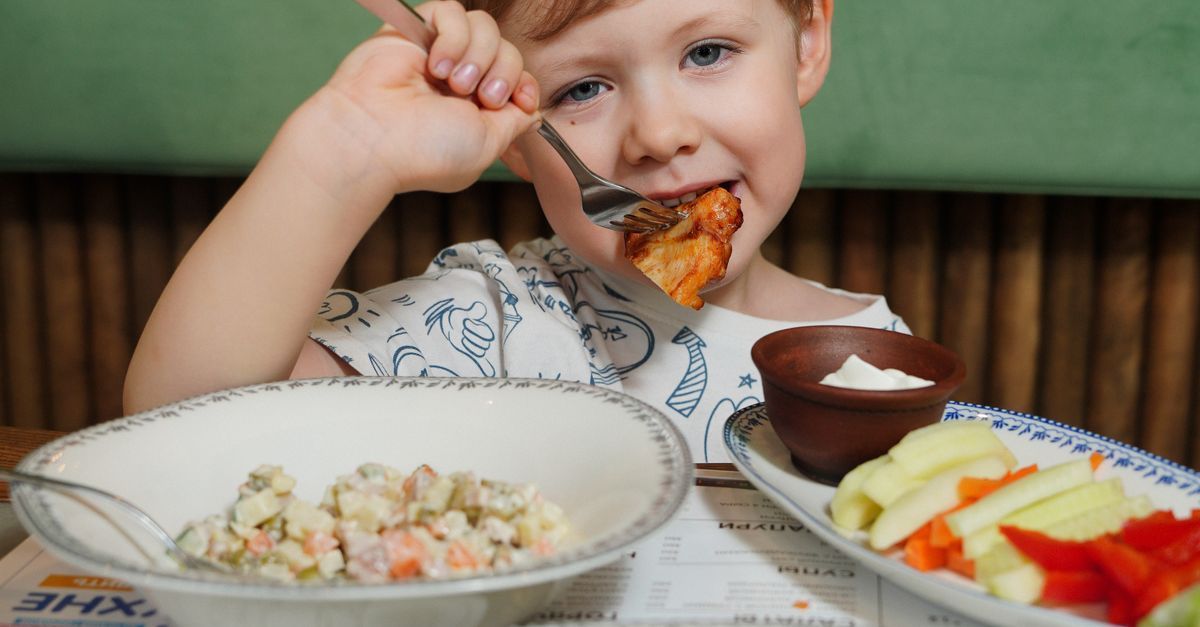
What is child allergy care?
Allergies occur when the immune system overreacts to normally harmless substances. In children, food allergies often appear in infancy, sometimes alongside eczema, while allergic rhinitis and asthma tend to emerge later. Many children outgrow milk and egg allergies, while peanut and tree nut allergies are more often lifelong. Good allergy care confirms the true triggers, avoids unnecessary food restrictions and prepares families for emergencies.
Symptoms and when to see a doctor
- Hives, lip or eye swelling, vomiting soon after eating a food
- Persistent sneezing, itchy runny nose and itchy watery eyes
- Nasal congestion causing mouth breathing or snoring
- Eczema that is hard to control
- Recurrent cough or wheeze with triggers
Call 119 immediately for difficulty breathing, wheeze, throat tightness, hoarse voice, repeated vomiting, pale floppy appearance or collapse after exposure; these may signal anaphylaxis.
What happens at the clinic
- Detailed history: what was eaten or encountered, timing, symptoms and treatments given.
- Examination: skin, nose, eyes and chest.
- Testing: specific IgE blood tests or a MAST panel; skin prick testing where available. Results must be interpreted alongside history, as positive tests alone do not prove allergy.
- Diagnosis and plan: foods to avoid or continue, medicines for rhinitis or hives, and a written action plan.
- Referral: to a pediatric allergist or hospital for oral food challenges or immunotherapy.
Treatment outlook
Non-sedating antihistamines relieve hives and rhinitis. Nasal steroid sprays are effective for persistent rhinitis. Children at risk of severe reactions should carry an epinephrine auto-injector and their caregivers should know how to use it. Some children benefit from allergen immunotherapy for dust mite or pollen allergy. Early, guided introduction of common allergens in infancy may reduce some food allergies; discuss timing with your pediatrician.
Risks and side effects
Unnecessary food avoidance can affect nutrition, so diets should be reviewed by a doctor or dietitian. Antihistamines may cause drowsiness in some children. Severe reactions are rare but can be life-threatening without prompt epinephrine.
Choosing a clinic for child allergy care in Seomyeon
- Ask which allergy tests are available and how results will be interpreted with your child's history.
- Ask for a written allergy action plan, ideally in English, for school or daycare.
- Ask whether epinephrine auto-injectors can be prescribed and demonstrated.
- Ask about referral for oral food challenges or immunotherapy.
- Request guidance on reading Korean food labels for allergens.
For families eating out
Busan's food culture includes plenty of seafood and shared side dishes, so carry a translated allergy card. Clinics in Seomyeon are an easy trip on Lines 1 and 2.
Key facts
- Common allergies: egg, milk, peanut, tree nuts, wheat, shellfish; dust mites, pollen, pets
- Tests: specific IgE blood tests, MAST panels, skin prick tests (some clinics)
- Food challenges: supervised oral challenges in hospital settings when needed
- Medicines: antihistamines, nasal steroid sprays, eye drops
- Severe reactions: epinephrine auto-injector plan for at-risk children
- Visit time: about 20–30 minutes
- Emergency: call 119 for breathing difficulty, throat swelling or collapse
Frequently asked questions
How are food allergies diagnosed in children?
Doctors combine a careful history with blood or skin tests. Because tests can be positive without true allergy, a supervised food challenge is sometimes needed to confirm.
Will my child outgrow a food allergy?
Many children outgrow milk and egg allergies. Peanut, tree nut and shellfish allergies are more often lifelong. Regular reviews help decide whether to retest.
What is a MAST test?
A MAST test is a blood test that screens for sensitisation to many common allergens at once. Results show sensitisation, not necessarily allergy, so they are interpreted with symptoms.
Does my child need an epinephrine auto-injector?
Children with a history of severe reactions or certain food allergies may be prescribed one. Your pediatrician will assess risk and teach you how to use it.
How can I manage my child's allergies while eating out in Korea?
Carry a Korean-language allergy card, ask about ingredients and cross-contact, and keep emergency medicines with you. Be cautious with sauces and broths that may contain hidden allergens.
Medical disclaimer: Seomyeon.Clinic is an independent information directory. Content is for general education and does not replace a consultation with a licensed physician. Suitability, risks, results and costs vary by person and clinic. In an emergency in Korea, call 119.