
Bee Venom Acupuncture in Seomyeon, Busan
Bee venom acupuncture (봉약침) is a form of pharmacopuncture in which a diluted, purified honeybee venom preparation is injected at acupuncture points, mainly for musculoskeletal pain. In Seomyeon, Korean medicine clinics should perform an allergy skin test before treatment and monitor patients afterward. Allergic reactions, including rare anaphylaxis, are a real risk, and evidence for benefit is limited.
Independent patient guide · Medically informative, not a substitute for a doctor's advice · Last reviewed:
What is bee venom acupuncture?
Bee venom acupuncture (봉약침 요법) is a Korean medicine technique using purified honeybee venom, which contains components such as melittin that have shown anti-inflammatory and pain-modulating effects in laboratory studies. The venom is diluted and injected at acupuncture points or tender areas. It is one of the more commonly offered pharmacopuncture types in Korea. Because bee venom is a well-known allergen, safety precautions are central to this treatment.
Who is it for?
- Adults with chronic musculoskeletal pain, such as knee, shoulder or back pain
- People who have tolerated a skin test without significant reaction
It is not suitable for anyone with a history of allergy to bee or wasp stings, asthma that is poorly controlled, or those taking beta-blockers (which can make anaphylaxis harder to treat). Pregnant people and children should generally avoid it. Seek a medical diagnosis for joint swelling, fever or unexplained pain first.
What happens at the clinic
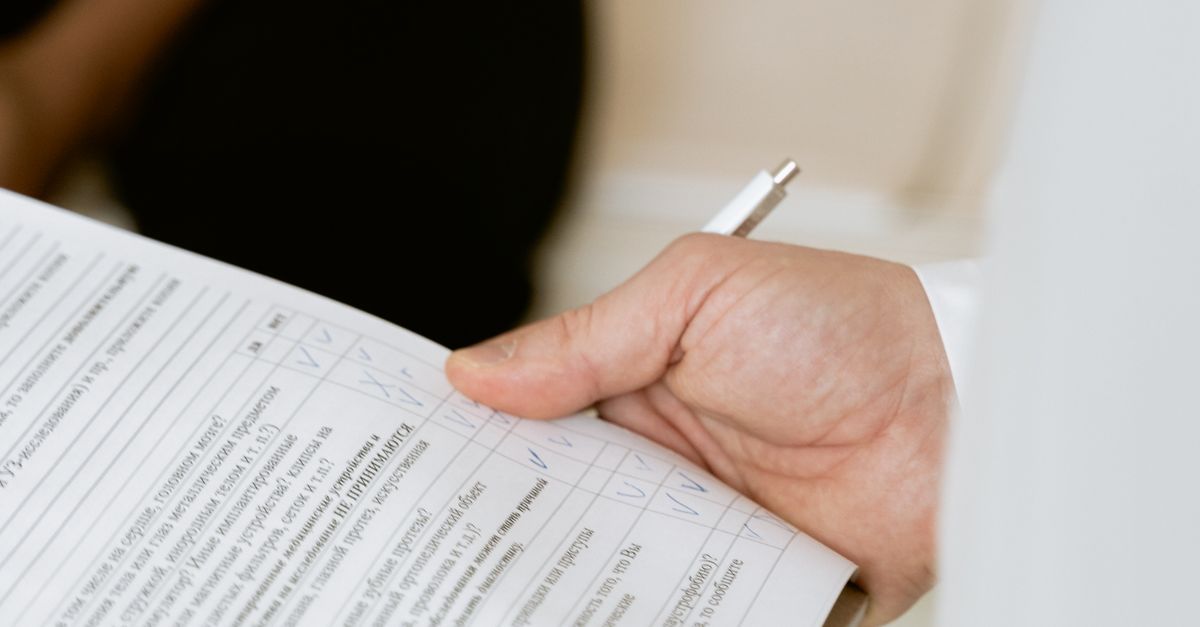
- Allergy screening: questions about previous stings, allergies, asthma and medicines.
- Skin test: a tiny amount is injected into the skin, followed by observation.
- Treatment: if the test is acceptable, small diluted doses are injected at selected points, often starting with low concentrations.
- Observation: you remain at the clinic for a period after injection to watch for reactions.
- Course: concentration may be increased gradually over several sessions.
Treatment outlook
Some studies, mainly from Korea, report reduced pain in conditions such as knee osteoarthritis and frozen shoulder, but the trials are generally small and of variable quality. Reviews highlight both possible benefit and the significant rate of allergic reactions. It should be considered a complementary option with careful risk assessment, not a first-line treatment.
Risks and side effects
Local reactions, such as redness, swelling, itching and warmth, are common. Systemic allergic reactions, including hives, breathing difficulty and, rarely, anaphylaxis, can occur, sometimes even after earlier sessions were tolerated. Clinics should have epinephrine and emergency procedures ready. If you develop breathing difficulty, throat swelling or faintness after leaving, call 119 immediately.
Choosing a clinic for bee venom acupuncture in Seomyeon
- Confirm a skin test is performed before the first treatment.
- Ask whether epinephrine and emergency equipment are available on site.
- Ask how long you will be observed after each session.
- Ask about the concentration used and how it is increased.
- Discuss alternatives with established evidence for your condition.
Visitor caution
Because reactions can be delayed, avoid scheduling bee venom treatment just before travel. Seomyeon is accessible via Metro Lines 1 and 2 if follow-up is needed.
Key facts
- Provider: licensed Korean medicine doctor
- Substance: diluted, purified honeybee venom
- Common uses: joint pain, back pain, frozen shoulder, other musculoskeletal pain
- Before treatment: allergy history and skin test are essential
- After treatment: observation period at the clinic
- Main risk: allergic reactions, rarely anaphylaxis
- Typical NHI coverage: generally not covered
Frequently asked questions
Is bee venom acupuncture safe?
It carries a real risk of allergic reactions, including rare anaphylaxis. Skin testing, careful dosing, observation and emergency readiness reduce but do not eliminate this risk.
Who should not have bee venom acupuncture?
People allergic to bee or wasp stings, those with poorly controlled asthma, people on beta-blockers, pregnant people and children should generally avoid it.
Does bee venom acupuncture work for arthritis?
Some small studies report pain reduction, but evidence quality is limited. It should be considered complementary, alongside treatments with stronger evidence.
Is bee venom acupuncture covered by insurance in Korea?
It is generally not covered by National Health Insurance and is paid per session. Ask about prices before starting.
What should I do if I react after leaving the clinic?
For hives, contact the clinic. For breathing difficulty, throat or face swelling, dizziness or fainting, call 119 immediately, as these may be signs of anaphylaxis.
Medical disclaimer: Seomyeon.Clinic is an independent information directory. Content is for general education and does not replace a consultation with a licensed physician. Suitability, risks, results and costs vary by person and clinic. In an emergency in Korea, call 119.