
Acupuncture in Seomyeon, Busan
Acupuncture is a Korean medicine (hanbang) treatment in which a licensed Korean medicine doctor inserts very fine, sterile needles at specific points on the body. In Seomyeon, Korean medicine clinics (한의원) usually combine it with heat or electrical stimulation in sessions of about 15–30 minutes. Evidence suggests modest benefit for some pain conditions; it is not a substitute for medical care of serious illness.
Independent patient guide · Medically informative, not a substitute for a doctor's advice · Last reviewed:
What is acupuncture?
Acupuncture (침) is one of the core treatments of traditional Korean medicine (한의학). In Korean medicine theory, needling points along meridians influences the flow of qi and restores balance. From a biomedical perspective, researchers have studied effects on nerves, muscles and pain processing in the brain and spinal cord. In Korea, acupuncture is provided by Korean medicine doctors, who complete a dedicated university degree and national licensing exam, and it is a familiar part of everyday healthcare for many Koreans.
Who is it for?
- Chronic low back and neck pain
- Knee osteoarthritis pain
- Tension-type headaches and migraine prevention
- Muscle strains and sprains
- People wanting a complementary option alongside conventional care
Acupuncture should not replace diagnosis or treatment by a medical doctor for serious, worsening or unexplained symptoms. People taking blood thinners, with bleeding disorders, pacemakers (for electro-acupuncture) or who are pregnant should tell the practitioner.
What happens at the clinic
- Consultation: the Korean medicine doctor asks about symptoms and health history and may check pulse and tongue as part of traditional diagnosis.
- Preparation: you lie on a treatment bed; skin is cleaned.
- Needling: fine needles are inserted at selected points; you may feel a dull ache or tingling.
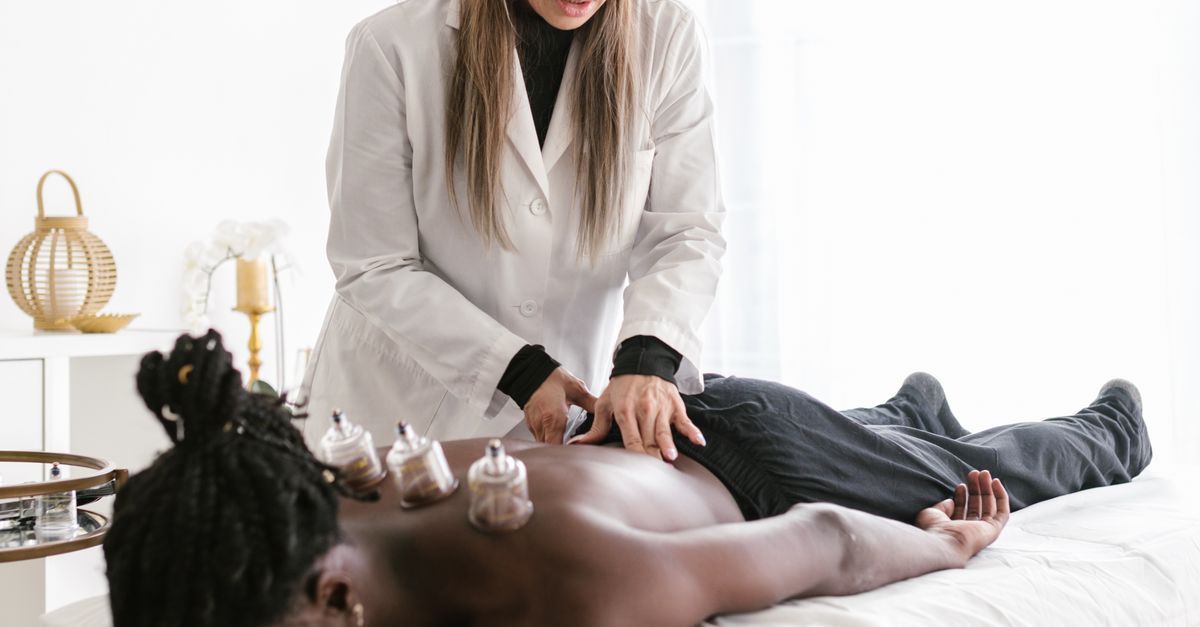
- Adjuncts: heat lamps, mild electrical stimulation, cupping or hot packs are often added.
- Rest and removal: needles stay in for about 15–20 minutes, then are removed and discarded.
Treatment outlook
Systematic reviews suggest acupuncture can provide modest, short- to medium-term relief for some chronic pain conditions, such as low back pain, neck pain, knee osteoarthritis and headaches, with differences from sham acupuncture often small. For many other conditions, evidence is limited or inconsistent. It works best as part of a broader plan that includes exercise and, when needed, conventional medical treatment.
Risks and side effects
When performed by trained practitioners with sterile single-use needles, serious complications are rare. Minor bruising, soreness, light-headedness or fatigue can occur. Rare risks include infection and, with needles over the chest, pneumothorax.
Choosing a clinic for acupuncture in Seomyeon
- Confirm the practitioner is a licensed Korean medicine doctor.
- Check that single-use sterile needles are used.
- Ask how many sessions are suggested and how progress will be judged.
- Tell them about medicines, pregnancy and medical conditions.
- Ask which treatments are covered and which, such as add-ons, are self-pay.
For visitors
Many Korean medicine clinics cluster around Seomyeon and accept walk-ins. Language support varies, so a translation app helps. The area is a short metro ride from Busan Station on Line 1.
Key facts
- Provider: licensed Korean medicine doctor (한의사)
- Commonly used for: back and neck pain, knee pain, headaches, musculoskeletal strains
- Session time: about 15–30 minutes with needles in place
- Needles: single-use, sterile, very thin
- Sessions: often several, once or twice weekly
- Typical NHI coverage: basic acupuncture is generally covered for enrolled patients
- Evidence: modest benefit for some chronic pain; limited or unclear for many other uses
Frequently asked questions
Does acupuncture hurt?
Most people feel a brief prick, then a dull ache, heaviness or tingling around the needle. The needles are much thinner than injection needles, and sessions are usually relaxing.
Does acupuncture actually work?
Research suggests modest benefit for some chronic pain conditions such as back pain and knee arthritis, though differences from sham treatment are often small. Evidence is limited for many other conditions.
Is acupuncture covered by insurance in Korea?
Basic acupuncture at Korean medicine clinics is generally covered by National Health Insurance for enrolled patients. Add-on treatments and herbal medicines are often self-pay.
How many acupuncture sessions do I need?
Many practitioners suggest a course of several sessions, once or twice weekly. Reassess if there is no improvement after a few sessions.
Can acupuncture replace medical treatment?
No. Acupuncture may complement conventional care, but serious, worsening or unexplained symptoms should always be evaluated by a medical doctor.
Medical disclaimer: Seomyeon.Clinic is an independent information directory. Content is for general education and does not replace a consultation with a licensed physician. Suitability, risks, results and costs vary by person and clinic. In an emergency in Korea, call 119.