
Dry Needling in Seomyeon, Busan
Dry needling is a technique in which a thin, solid needle is inserted into a myofascial trigger point, a tight, tender spot in muscle, to release tension and reduce pain, without injecting any medicine. In Seomyeon, needle-based muscle treatments are typically offered at rehabilitation, pain and orthopedic clinics, in sessions of 10–20 minutes combined with stretching and exercise.
Independent patient guide · Medically informative, not a substitute for a doctor's advice · Last reviewed:
What is dry needling?
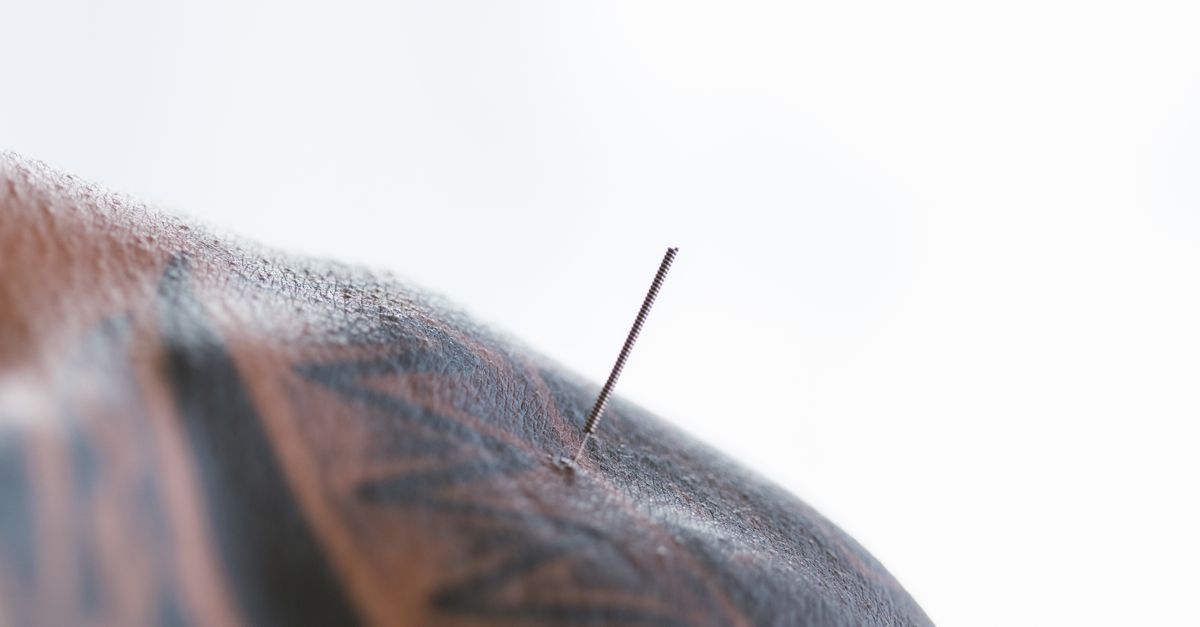
Dry needling (건침 치료) targets myofascial trigger points: tight bands in muscle that are tender to touch and can refer pain elsewhere. A fine, solid needle is inserted into the trigger point, often producing a local twitch response, after which the muscle tends to relax. It is called "dry" because nothing is injected, unlike trigger point injections. Although it uses needles similar to acupuncture, it is based on Western anatomical concepts. In Korea, related physician-performed techniques include IMS and FIMS, and trigger point injections are widely used for similar problems.
Who is it for?
- Upper trapezius and neck tightness from desk work
- Shoulder and shoulder-blade muscle pain
- Low back, buttock and hip muscle pain
- Calf tightness in runners
- Tension-type headaches linked to neck muscles
It is avoided with needle phobia, local infection, bleeding disorders and in the first trimester of pregnancy, and used carefully with blood thinners and over the chest wall.
What happens at the clinic
- Assessment: the clinician identifies trigger points that reproduce your pain.
- Explanation and consent: what you may feel and the risks.
- Needling: sterile single-use needles are inserted; you may feel a twitch or deep ache.
- Several points: a few trigger points may be treated in one session.
- After care: stretching and movement exercises to maintain the release.
Treatment outlook
Systematic reviews suggest dry needling may reduce myofascial pain in the short term compared with no treatment or sham, with results similar to other active treatments such as stretching or trigger point injections. It works best as part of a program addressing posture, strength and load. If several sessions do not help, the approach should be reconsidered.
Risks and side effects
Common effects are post-treatment soreness, bruising and fatigue. Rare but serious risks include pneumothorax when needling near the chest wall, infection and nerve irritation. Sterile technique and anatomical knowledge minimise risk.
Choosing a clinic for dry needling in Seomyeon
- Ask who performs the needling and what training they have.
- Confirm single-use sterile needles are used.
- Ask how they reduce risk when treating near the chest wall.
- Ask whether trigger point injection or IMS would be an alternative.
- Ensure an exercise plan accompanies the needling.
Visitor tip
A session or two can relieve travel-related neck and back tightness. Seomyeon clinics are a short subway trip from Busan Station on Line 1.
Key facts
- Technique: solid filament needle into trigger points; no medicine injected
- Used for: neck, shoulder, back, hip and calf muscle pain; tension headaches
- Session time: about 10–20 minutes
- Sensation: brief twitch or deep ache
- Downtime: none; soreness for 1–2 days
- Course: a few sessions, often weekly
- Related techniques in Korea: IMS/FIMS and trigger point injections
Frequently asked questions
Is dry needling the same as acupuncture?
Both use thin needles, but dry needling targets muscle trigger points based on Western anatomy, while acupuncture follows traditional meridian theory and points.
Does dry needling hurt?
Needle insertion is usually mild, but a muscle twitch or deep ache can be uncomfortable for a moment. Soreness for a day or two afterward is common.
How many dry needling sessions do I need?
Many people notice change within a few sessions, often weekly. If there is no improvement after three or four sessions, the plan should be reviewed.
Is dry needling covered by insurance in Korea?
Needle-based muscle treatments such as IMS are generally non-covered, while trigger point injections are often covered for enrolled patients. Ask the clinic which applies.
Dry needling vs trigger point injection: which is better?
Studies show broadly similar short-term effects. Trigger point injections include local anesthetic, which may reduce post-treatment soreness. Choice depends on preference and clinician advice.
Medical disclaimer: Seomyeon.Clinic is an independent information directory. Content is for general education and does not replace a consultation with a licensed physician. Suitability, risks, results and costs vary by person and clinic. In an emergency in Korea, call 119.