
FIMS Intramuscular Stimulation in Seomyeon, Busan
FIMS (functional intramuscular stimulation) is a needle-based treatment, developed from Gunn's intramuscular stimulation (IMS), in which a doctor inserts a fine needle into shortened, tender muscles to release them and ease chronic musculoskeletal pain. In Seomyeon, pain and rehabilitation clinics typically perform it in sessions of about 10–20 minutes, often weekly. Evidence is limited and mostly small-scale.
Independent patient guide · Medically informative, not a substitute for a doctor's advice · Last reviewed:
What is FIMS?
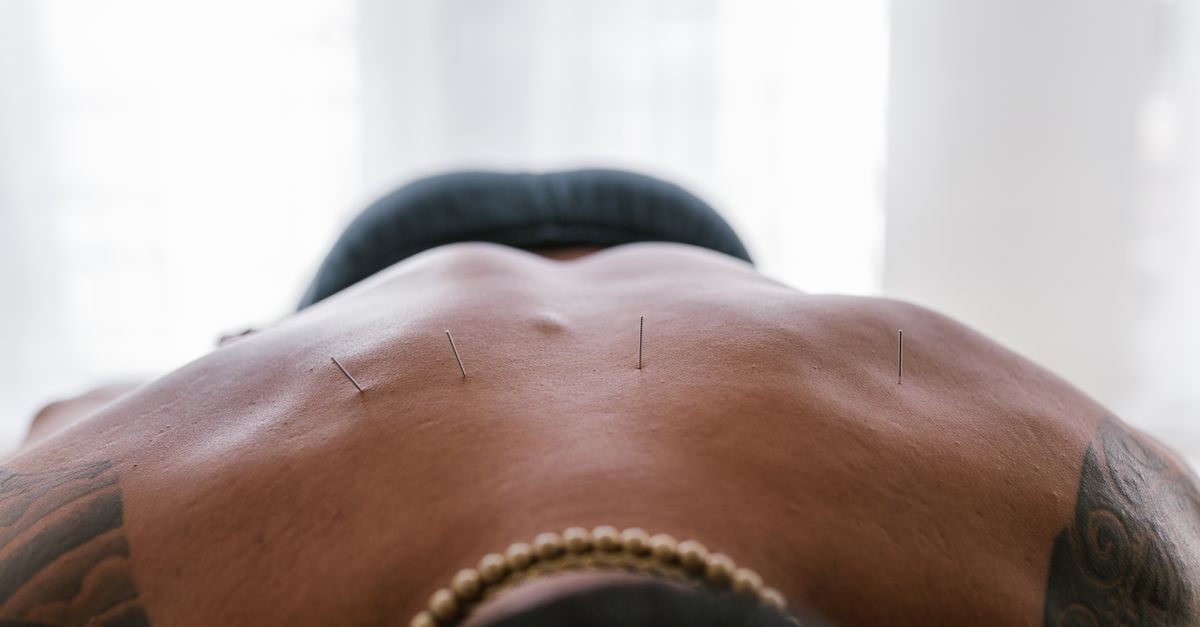
Intramuscular stimulation (IMS, 근육내 자극치료) was described by Dr. Chan Gunn in Canada, based on the theory that some chronic pain arises when irritated nerve roots cause the muscles they supply to become shortened and hypersensitive. A thin, solid needle, similar in size to an acupuncture needle, is inserted into these tight muscles, often near the spine and in the painful area, to provoke a release. In Korea, physicians have developed variants such as FIMS (functional IMS) that use a needle in a handheld device. Unlike acupuncture, it is based on Western anatomical and neurological concepts, and in Korea it is performed by medical doctors.
Who is it for?
- Chronic neck and shoulder muscle tightness
- Persistent low back and buttock pain with muscle shortening
- Myofascial pain that has not responded to stretching and physiotherapy
- Some patients with nerve-related muscle pain alongside other treatment
It is avoided over infected skin and used cautiously with blood thinners, bleeding disorders or needle phobia.
What happens at the clinic
- Assessment: the doctor examines posture, muscle tightness and tender bands, and reviews imaging if relevant.
- Positioning: you lie or sit comfortably with the area exposed.
- Needling: a fine needle is inserted into target muscles; you may feel a cramp-like grab as the muscle releases.
- Multiple sites: paraspinal and painful-area muscles are often treated in one session.
- After treatment: stretching and movement advice.
Treatment outlook
Some patients report reduced tightness and pain after a few sessions. Published research on IMS and similar needling suggests possible short-term benefit for some chronic musculoskeletal pain, but studies are small and of variable quality, so the evidence remains limited. FIMS works best combined with exercise, posture work and management of underlying conditions, rather than as a stand-alone cure.
Risks and side effects
Common effects are post-treatment muscle soreness, bruising and temporary fatigue. Rare risks include infection, needle-related nerve irritation and, when treating near the chest wall, pneumothorax. Sterile single-use needles and good anatomical knowledge reduce risks.
Choosing a clinic for FIMS in Seomyeon
- Confirm the procedure is performed by a physician trained in IMS or FIMS.
- Ask what diagnosis it is being used for and what other treatments are combined.
- Ask how many sessions are planned and when progress will be assessed.
- Request clear pricing, since it is usually non-covered.
- Ask for a home stretching and strengthening program to keep the benefit.
For residents and visitors
FIMS is usually given as a series, which suits people living in Busan. Clinics around Seomyeon Station are easily reached by Lines 1 and 2.
Key facts
- Technique: fine needle stimulation of tight muscles near the spine and limbs
- Based on: Gunn intramuscular stimulation (IMS) concept
- Used for: chronic neck, back and shoulder muscle pain, myofascial pain
- Session time: about 10–20 minutes
- Course: often several weekly sessions
- Downtime: none; muscle soreness 1–2 days
- NHI coverage: generally non-covered
Frequently asked questions
Is FIMS the same as acupuncture?
No. Both use fine needles, but FIMS is based on Western anatomy and nerve theory and targets shortened muscles, while acupuncture follows traditional meridian theory. In Korea, FIMS is done by medical doctors.
Does FIMS hurt?
You may feel a strong cramp-like sensation as the muscle grabs the needle, which passes quickly. Muscle soreness for a day or two afterward is common.
How many FIMS sessions do I need?
Many clinics suggest a series of several weekly sessions, adjusted to your response. If there is no improvement after a few sessions, the plan should be reviewed.
Is FIMS covered by insurance in Korea?
FIMS and IMS are generally non-covered by National Health Insurance and are paid per session. Ask for the price and total course cost in advance.
Is there scientific evidence for FIMS?
Evidence comes mainly from small studies and clinical experience. Some suggest short-term pain relief, but high-quality large trials are limited, so results cannot be guaranteed.
Medical disclaimer: Seomyeon.Clinic is an independent information directory. Content is for general education and does not replace a consultation with a licensed physician. Suitability, risks, results and costs vary by person and clinic. In an emergency in Korea, call 119.