
Pain Medicine in Seomyeon, Busan
Pain medicine is the specialty focused on diagnosing and treating acute and chronic pain, from neck, back and joint pain to nerve pain after shingles and cancer pain. In Seomyeon, Busan, many pain clinics (마취통증의학과) offer same-day consultations, ultrasound- or X-ray-guided injections and nerve blocks, often combined with physiotherapy. Most treatments are outpatient with little downtime.
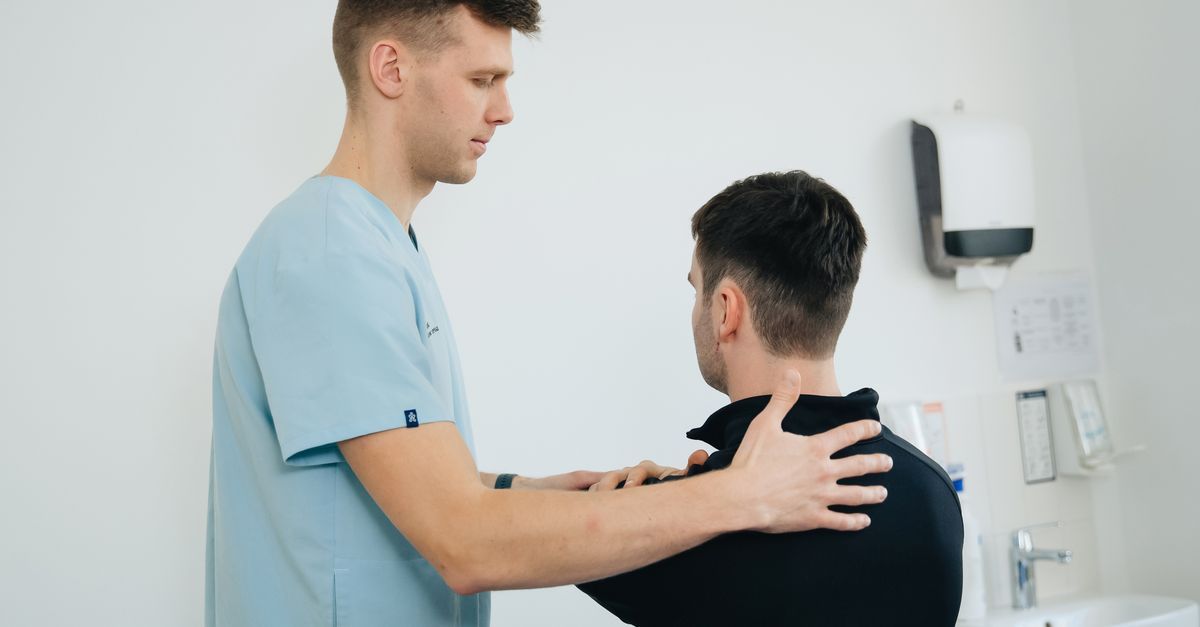
What does pain medicine cover?
In Korea, pain medicine is practised mainly by specialists in anesthesiology and pain medicine (마취통증의학과 전문의). They diagnose the source of pain and treat it with medicines, image-guided injections, nerve blocks, radiofrequency procedures and coordinated rehabilitation. Rehabilitation medicine, orthopedic and neurology clinics also treat pain, and the boundaries overlap.
Common reasons people visit in Seomyeon
- Neck and shoulder pain from long desk or phone use
- Lower back pain and sciatica
- Knee, hip and shoulder joint pain
- Headaches and jaw pain
- Shingles pain and other nerve pain
- Pain after car accidents
- Chronic pain conditions such as fibromyalgia or CRPS
How pain clinics work in Korea
Most pain clinics are outpatient specialist practices that accept walk-in patients, although booking ahead reduces waiting. A typical first visit includes a history, examination, and often X-ray or in-room ultrasound. Many clinics perform injections the same day. Physiotherapy rooms are common, with therapists delivering exercise and manual therapy under a doctor's prescription. Complex cases, such as cancer pain or spinal cord stimulation, may be referred to hospital pain centres.
National Health Insurance covers many consultations, medicines and nerve blocks for enrolled patients. Some procedures and injections, such as prolotherapy, PRP, many PDRN uses, FIMS and specialised manual therapy, are usually non-covered. Clinics should explain which items are covered before you agree.
Tips for foreign patients
- Bring a list of medicines, including blood thinners, and any previous imaging.
- Ask what each injection contains and which structure it targets.
- Request itemised receipts and an English summary for travel insurance.
- After nerve blocks, plan not to drive yourself.
- For red flags, such as sudden weakness, bladder changes or a sudden severe headache, call 119.
How to choose a pain clinic
Choose a board-certified specialist who explains your diagnosis clearly, uses image guidance for injections, and combines procedures with exercise and self-management. Be cautious of large pre-paid packages and treatments promoted as cures. Good clinics measure progress by function, not only pain scores, and refer you to surgeons or other specialists when needed. Seomyeon's location at the junction of Metro Lines 1 and 2 makes regular visits practical.
Treatment guides
- Chronic Pain Management
- Neck Pain Treatment
- Shoulder Pain Treatment
- Knee Pain Treatment
- DNA (PDRN) Injection
- Prolotherapy
- Trigger Point Injection
- FIMS Intramuscular Stimulation
- Stellate Ganglion Block
- Shingles (Postherpetic) Pain Treatment
- Fibromyalgia Treatment
- Headache Clinic
- Jaw (TMJ) Pain Treatment
- Complex Regional Pain Syndrome Care
- Arthritis Pain Injections
- Ultrasound-Guided Injection
- Manual Therapy for Pain
- Cancer Pain Management
- Whiplash & Car Accident Injury Treatment
- Hip Pain Treatment
Frequently asked questions
What does a pain clinic do in Korea?
Pain clinics, usually run by anesthesiology and pain medicine specialists, diagnose the source of pain and treat it with medicines, image-guided injections, nerve blocks and physiotherapy.
Do I need an appointment at a Seomyeon pain clinic?
Many clinics accept walk-ins, but booking reduces waiting, especially at lunchtime and after work. Some procedures may need a separate appointment.
Are pain injections safe?
When performed by trained specialists with ultrasound or X-ray guidance, most injections are low risk. Tell the doctor about blood thinners, diabetes and allergies beforehand.
Which pain treatments are not covered by insurance?
Prolotherapy, PRP, many PDRN uses, FIMS and specialised manual therapy are commonly non-covered. Coverage varies by indication, so ask the clinic before treatment.
Pain clinic or orthopedics: which should I choose?
For non-surgical pain treatment, a pain clinic is a good start. For injuries that might need surgery, such as fractures or large tears, start with orthopedics.
Medical disclaimer: Seomyeon.Clinic is an independent information directory. Content is for general education and does not replace a consultation with a licensed physician. In an emergency in Korea, call 119.