
Ultrasound-Guided Injection in Seomyeon, Busan
An ultrasound-guided injection uses real-time ultrasound imaging to steer a needle precisely into a joint, tendon sheath, bursa or near a nerve before delivering medicine. In Seomyeon, many pain, orthopedic and rehabilitation clinics use it routinely for shoulder, knee, hip, wrist and nerve injections. A typical procedure takes about 10–20 minutes with no radiation and little downtime.
Independent patient guide · Medically informative, not a substitute for a doctor's advice · Last reviewed:
What is an ultrasound-guided injection?
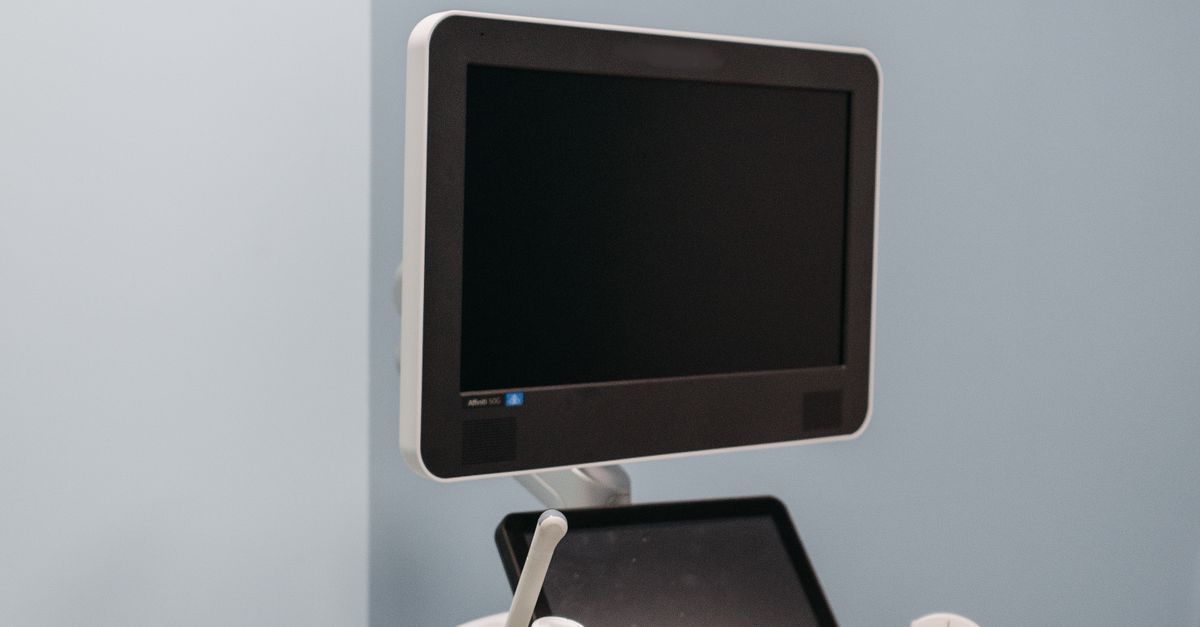
Traditionally, many injections were given by feeling for landmarks on the skin. Ultrasound guidance (초음파 유도하 주사) lets the doctor see muscles, tendons, joint spaces, blood vessels and nerves on screen, then watch the needle tip reach the exact target. Studies show improved accuracy for many joints and soft-tissue structures compared with landmark-guided injections. Korean clinics have widely adopted ultrasound, and many doctors use it both to diagnose and to treat in the same visit.
Who is it for?
- Shoulder problems: bursitis, frozen shoulder, calcific tendinitis, nerve blocks
- Knee and hip joint injections, including draining fluid
- Tendon sheath injections such as trigger finger and de Quervain's tenosynovitis
- Carpal tunnel and other peripheral nerve injections
- Small or deep joints that are hard to reach accurately by feel
Ultrasound is less suited to deep spinal injections such as some epidurals, which often use fluoroscopy (X-ray) instead.
What happens at the clinic
- Diagnostic scan: the doctor scans the area to confirm the problem.
- Planning: the safest needle path is chosen to avoid vessels and nerves.
- Sterile preparation: skin cleaning and a sterile probe cover.
- Injection: the needle is guided in real time; medicine spread is visible on screen.
- Aftercare advice: activity guidance and what to expect over the next days.
Recovery and aftercare
Most people return to normal activities the same day. A local anesthetic may give immediate relief that fades within hours, with steroid effects starting after a few days. Avoid heavy use of the treated joint for a day or two and continue your exercise program afterward.
Risks and side effects
Risks are low and include soreness, bruising, temporary flare, and rarely infection. With steroid, temporary facial flushing or raised blood sugar can occur. Ultrasound reduces the chance of hitting blood vessels or nerves but cannot remove all risk.
Choosing a clinic for ultrasound-guided injections in Seomyeon
- Ask whether the doctor personally performs the scan and injection.
- Ask what diagnosis the injection is treating and what medicine is used.
- Ask whether ultrasound guidance is charged separately and whether it is covered.
- Ask how often injections can be repeated for your condition.
- Ensure a rehab or exercise plan accompanies the injection.
Visitor note
Ultrasound-guided injections fit easily into a short visit and require little recovery. Seomyeon is a direct ride on Line 1 from Busan Station.
Key facts
- Used for: joint, bursa, tendon sheath, nerve block and soft-tissue injections
- Common sites: shoulder, knee, hip, elbow, wrist, ankle, neck nerves
- Advantage: visualises the needle, target and nearby vessels and nerves
- Radiation: none
- Procedure time: about 10–20 minutes
- Downtime: usually none; brief rest after nerve blocks
- Medicines: steroid, local anesthetic, hyaluronic acid, others depending on diagnosis
Frequently asked questions
Why use ultrasound for injections?
Ultrasound shows the target and needle in real time, improving accuracy and helping avoid blood vessels and nerves. For many joints and tendons, accuracy is better than injecting by feel.
Does an ultrasound-guided injection hurt?
Most people feel a brief sting and pressure. Because the needle goes directly to the target, fewer adjustments are needed, which may reduce discomfort.
Is ultrasound guidance safer than fluoroscopy?
Ultrasound uses no radiation and is excellent for joints, tendons and many nerves. Fluoroscopy is better for some deep spinal injections. The choice depends on the target.
Is ultrasound-guided injection covered by insurance in Korea?
The injection itself is often covered by National Health Insurance for enrolled patients, but ultrasound guidance may be charged separately depending on criteria. Ask before the procedure.
How soon will I feel better after the injection?
Local anesthetic can ease pain within minutes. Steroid effects usually begin within a few days. Other injections, such as PRP, work more gradually over weeks.
Medical disclaimer: Seomyeon.Clinic is an independent information directory. Content is for general education and does not replace a consultation with a licensed physician. Suitability, risks, results and costs vary by person and clinic. In an emergency in Korea, call 119.