
Trigger Finger Treatment in Seomyeon, Busan
Trigger finger treatment frees a finger tendon that catches or locks because its sheath at the base of the finger has thickened. In Seomyeon, hand and orthopedic clinics usually diagnose it on examination, then offer a splint or a steroid injection in a short visit. If catching persists, a release procedure under local anesthesia takes roughly 10–20 minutes.
Independent patient guide · Medically informative, not a substitute for a doctor's advice · Last reviewed:
What is trigger finger?
Each finger is bent by tendons that glide through a tunnel of pulleys. In trigger finger, the first pulley at the base of the finger thickens, and a nodule may form on the tendon. The tendon then catches as it passes, causing a click or the finger getting stuck bent and suddenly snapping straight. It is common in people with diabetes, rheumatoid arthritis and jobs or hobbies involving strong repetitive gripping, and is more frequent in women over 40. The thumb, ring and middle fingers are most often affected.
Symptoms and when to see a doctor
- Stiffness or clicking, often worse in the morning
- A tender lump in the palm at the base of the finger
- A finger that locks bent and has to be straightened with the other hand
See a doctor if the finger locks, if you cannot fully straighten it, or if the joint is hot and swollen, which may indicate infection and needs urgent care.
What happens at the clinic
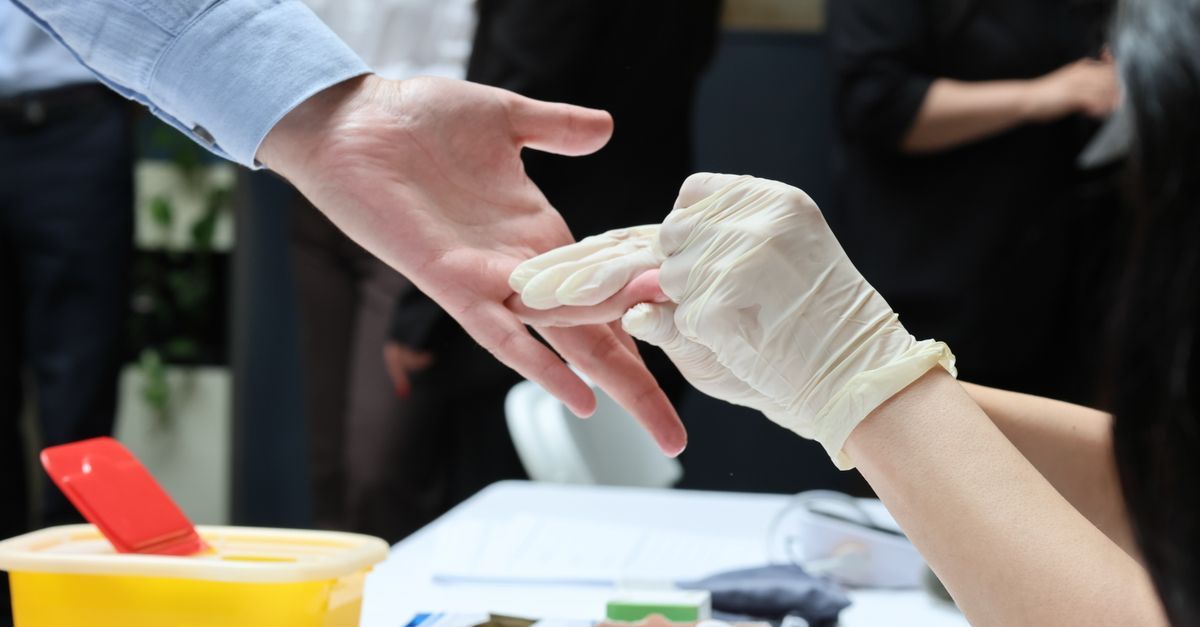
- Exam: the doctor feels for the nodule and watches the finger catch.
- Ultrasound (optional): shows the thickened pulley and guides injection.
- Injection: a small dose of steroid into the tendon sheath; many people improve within a few weeks.
- Release: if triggering continues or returns, the pulley is cut through a small incision or with a needle technique, under local anesthesia.
- Aftercare: a light dressing and immediate finger movement exercises.
Recovery and aftercare
After an injection, avoid heavy gripping for a few days. After release, you can usually move the finger straight away and use the hand for light tasks within days. The palm can be sore and stiff for several weeks; gentle bending and straightening exercises help. Stitches, if used, are removed around 10–14 days.
Risks and side effects
Injections may cause temporary pain, skin lightening and a short rise in blood sugar in people with diabetes. Release is usually very effective but can cause tenderness, stiffness, infection, nerve injury or, rarely, bowstringing of the tendon.
Choosing a clinic for trigger finger in Seomyeon
- Look for an orthopedic or hand surgeon who offers both injection and release, so you get a balanced recommendation.
- Ask how many injections they would try before recommending release.
- If you have diabetes, ask how they manage the blood sugar effect of steroid.
- Ask whether they use open or percutaneous release, and why.
- Confirm aftercare instructions, including hand exercises, in English.
Visitor note
Both injection and release are short outpatient procedures, which suits a short stay, though you should plan for a wound check. Seomyeon is reachable from Gimhae Airport via the light rail to Sasang and Metro Line 2.
Key facts
- Condition: stenosing tenosynovitis of a finger or thumb (방아아저씨 손가락)
- Symptoms: clicking, catching, locking, tender lump at the palm crease
- Diagnosis: clinical exam; ultrasound sometimes used
- First-line: rest from gripping, splint, steroid injection
- Procedure: open or percutaneous release under local anesthesia
- Procedure time: about 10–20 minutes
- Recovery: light hand use within days; soreness for a few weeks
Frequently asked questions
Can trigger finger go away without treatment?
Mild cases sometimes settle with rest from gripping and a splint. Locking or long-standing trigger finger is less likely to resolve on its own and often needs an injection or release.
How effective is a steroid injection for trigger finger?
Many people improve after one injection, although symptoms return in some. Results tend to be less durable in people with diabetes or multiple affected fingers.
Does trigger finger release hurt?
The local anesthetic stings briefly, then the procedure is usually painless. The palm is sore for a few days to weeks, managed with simple painkillers.
Is trigger finger surgery covered by insurance in Korea?
Medically indicated trigger finger release is generally covered by National Health Insurance for enrolled patients, with a co-payment. Visitors should ask for a self-pay estimate.
How soon can I use my hand after trigger finger release?
Light use such as typing and eating is usually possible within a few days. Heavy gripping and lifting are typically avoided for a few weeks while the wound heals.
Medical disclaimer: Seomyeon.Clinic is an independent information directory. Content is for general education and does not replace a consultation with a licensed physician. Suitability, risks, results and costs vary by person and clinic. In an emergency in Korea, call 119.