
Orthopedics in Seomyeon, Busan
Orthopedics is the medical specialty that diagnoses and treats problems of bones, joints, ligaments, tendons and muscles. In Seomyeon, Busan, many orthopedic clinics (정형외과) near the station see walk-in patients, take same-day X-rays and often use in-room ultrasound. Larger orthopedic hospitals in the area handle arthroscopy, joint replacement and fracture surgery with inpatient wards and rehabilitation.
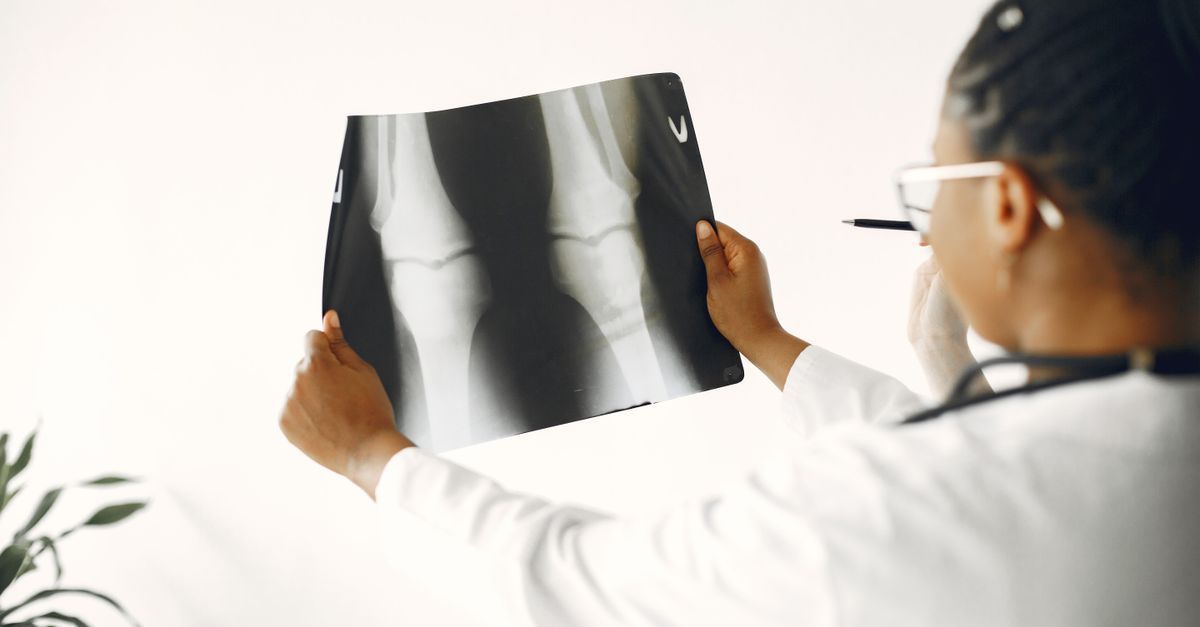
What does orthopedics cover?
Orthopedic surgeons (정형외과 전문의) manage the musculoskeletal system from shoulder to toe. Their work ranges from non-surgical care, such as diagnosing sprains, prescribing physiotherapy and giving injections, to surgery including arthroscopy, ligament reconstruction, fracture fixation and joint replacement. Many Korean orthopedic doctors also treat neck and back pain, while complex spine surgery is often handled by spine specialists or neurosurgeons.
Why people visit orthopedic clinics in Seomyeon
- Knee pain, from sports injuries to osteoarthritis
- Shoulder pain, including frozen shoulder, impingement and rotator cuff tears
- Wrist and hand problems such as carpal tunnel syndrome and trigger finger
- Heel and foot pain, ankle sprains and bunions
- Fractures and injuries from slips, falls and sport
- Osteoporosis checks for older adults
How orthopedic care works in Korea
Most orthopedic clinics are small specialist practices (의원) where you can usually walk in without a referral, often seeing a doctor the same day. Clinics commonly have X-ray machines and ultrasound, and many have a physiotherapy room on site. MRI may be on site at larger clinics or arranged nearby. Surgery and inpatient care take place at orthopedic hospitals (병원) or general hospitals. University hospitals usually require a referral letter for NHI-rate treatment, so most people start at a local clinic.
National Health Insurance covers much orthopedic care for enrolled patients, including consultations, X-rays, many medicines, physiotherapy and medically necessary surgery. Some treatments are commonly non-covered, such as shockwave therapy, PRP and certain newer injections. Always ask which parts are covered before agreeing to a package.
Tips for foreign patients
- Bring your passport, insurance details and a list of your medicines.
- Ask for copies of X-rays or MRI on CD or digitally, plus an English summary, if you will continue care at home.
- Busy clinics near the station can be crowded at lunchtime and after work; mid-morning is often quieter.
- For severe injuries, open fractures or head and neck trauma, call 119.
How to choose an orthopedic clinic
Look for a board-certified orthopedic specialist, on-site imaging, and a clinic that explains your diagnosis using your own images. Good clinics prioritise exercise-based rehab and are transparent about the evidence and costs of optional injections. For surgery, ask how often the surgeon performs your procedure and how rehab will be organised. Seomyeon, at the junction of Metro Lines 1 and 2, is convenient for repeated physiotherapy visits.
Treatment guides
- Knee Arthroscopy
- ACL Reconstruction
- Meniscus Repair
- Knee Replacement
- Hip Replacement
- Rotator Cuff Repair
- Frozen Shoulder Treatment
- Shoulder Impingement Treatment
- Tennis Elbow Treatment
- Carpal Tunnel Syndrome Treatment
- Trigger Finger Treatment
- Ankle Sprain Treatment
- Plantar Fasciitis Treatment
- Bunion (Hallux Valgus) Surgery
- Osteoarthritis Treatment
- Osteoporosis Treatment
- Sports Injury Treatment
- Fracture Care
- PRP Injections
- Extracorporeal Shockwave Therapy
Frequently asked questions
Do I need a referral to see an orthopedic doctor in Seomyeon?
No. Local orthopedic clinics accept patients directly, often as walk-ins. Referrals are generally needed only for university or tertiary hospitals if you want NHI rates there.
Can I get an X-ray on the same day?
Yes, most orthopedic clinics have X-ray on site and can take and review images during your visit. Many also perform ultrasound in the consultation room.
Is orthopedic treatment covered by insurance for foreigners?
Foreigners enrolled in National Health Insurance, generally those staying six months or more, receive the same coverage as Koreans. Short-term visitors usually pay as self-pay patients and claim from travel insurance.
Orthopedics or rehabilitation medicine: which should I see?
Both treat musculoskeletal pain. Orthopedic surgeons can also operate, while rehabilitation medicine doctors focus on non-surgical care and rehab. For injuries that may need surgery, start with orthopedics.
Do orthopedic clinics in Seomyeon speak English?
Some doctors and staff speak English, especially at larger clinics, but it varies. Ask when booking, and consider a translation app or interpreter for consent discussions.
Medical disclaimer: Seomyeon.Clinic is an independent information directory. Content is for general education and does not replace a consultation with a licensed physician. In an emergency in Korea, call 119.