
PRP Injections in Seomyeon, Busan
PRP (platelet-rich plasma) injections use a concentrate of your own blood platelets, injected into a joint or tendon to try to support healing and reduce pain. In Seomyeon, orthopedic clinics draw a small blood sample, spin it in a centrifuge and inject it, often under ultrasound guidance, in a visit of about 30–60 minutes. Evidence is promising for some conditions but mixed overall.
Independent patient guide · Medically informative, not a substitute for a doctor's advice · Last reviewed:
What is PRP?
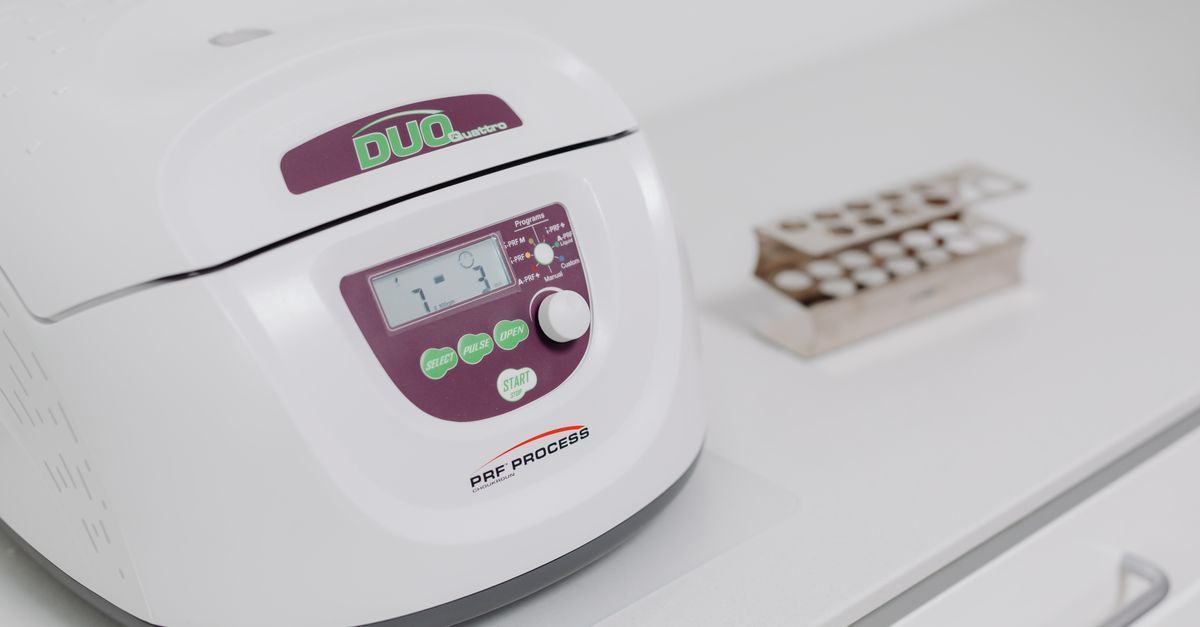
Platelets contain growth factors involved in tissue repair. In PRP therapy (혈소판 풍부 혈장 주사), a sample of your blood is placed in a centrifuge, which separates the platelet-rich layer. This concentrate is then injected into the injured or degenerated area. Because it comes from your own blood, allergic reactions are not expected. Preparation systems vary widely in platelet concentration and white-cell content, which is one reason research results differ.
Who is it for?
- Mild to moderate knee osteoarthritis, where several studies suggest benefit over hyaluronic acid or placebo for pain, though results vary
- Chronic tennis elbow that has not settled with exercise
- Some chronic tendon problems (such as patellar tendinopathy), with more mixed evidence
PRP is not a substitute for exercise rehab and is unlikely to help severe, bone-on-bone arthritis. Evidence for many other uses remains limited.
What happens at the clinic
- Assessment: diagnosis confirmed by exam and imaging.
- Blood draw: usually a small tube from the arm.
- Processing: centrifuge for several minutes to concentrate platelets.
- Injection: into the joint or tendon, ideally ultrasound-guided for accuracy.
- Aftercare advice: relative rest for a day or two, then a return to the rehab program.
Recovery and aftercare
Expect soreness and a feeling of fullness for a few days, sometimes more than with a steroid injection. Doctors often ask you to avoid anti-inflammatory painkillers for a short period, as they may interfere with the intended effect; paracetamol is usually allowed. Any benefit tends to build over several weeks.
Risks and side effects
Risks are generally low: temporary pain flare, swelling, bruising, and rarely infection or nerve irritation. Because PRP is non-covered and often sold in packages, the main risk for many patients is paying for a treatment with uncertain benefit for their condition.
Choosing a clinic for PRP in Seomyeon
- Ask what evidence supports PRP for your specific diagnosis.
- Ask which preparation system is used and whether injections are ultrasound-guided.
- Ask how many sessions are planned and how success will be measured.
- Ask for a clear, itemised price before treatment, and avoid pressure to buy large packages.
- Check that PRP is combined with an exercise or rehab plan.
For visitors
A single PRP session fits easily into a short trip, but repeated sessions spaced weeks apart may not. Seomyeon's clinics are easy to reach from Busan Station on Line 1.
Key facts
- Used for: knee osteoarthritis, tennis elbow, some tendinopathies; other uses less proven
- Procedure time: about 30–60 minutes including preparation
- Anesthesia: usually none or local numbing
- Sessions: often 1–3 injections, spaced weeks apart
- Downtime: soreness for a few days; limit heavy activity briefly
- Results: if effective, usually gradual over weeks
- NHI coverage: generally not covered (self-pay)
Frequently asked questions
Does PRP really work for knee arthritis?
Several studies suggest PRP can reduce pain in mild to moderate knee osteoarthritis for some months, but results vary between studies and patients. It does not regrow cartilage or reverse arthritis.
How many PRP injections do I need?
Protocols differ: commonly one to three injections spaced a few weeks apart. Ask your doctor why they recommend a particular number for your condition.
Is PRP painful?
The injection feels like a deep pressure and can be uncomfortable. Soreness for 2–3 days afterward is common. Local anesthetic and ultrasound guidance can make it easier.
Is PRP covered by National Health Insurance?
PRP injections for joint and tendon problems are generally not covered by NHI and are paid privately. Ask for the full cost, including any packages, before agreeing.
PRP vs steroid injection: which is better?
Steroid injections act faster but their effect often fades sooner. PRP works more slowly and may last longer in some conditions. The choice depends on the diagnosis and your goals.
Medical disclaimer: Seomyeon.Clinic is an independent information directory. Content is for general education and does not replace a consultation with a licensed physician. Suitability, risks, results and costs vary by person and clinic. In an emergency in Korea, call 119.