
Scalp PRP Therapy in Seomyeon, Busan
Scalp PRP therapy (두피 PRP) uses platelet-rich plasma concentrated from your own blood and injected into thinning areas of the scalp, aiming to support follicle growth through platelet growth factors. In Seomyeon, Busan, a session takes about 45–60 minutes including blood draw and processing. A typical course is about 3–4 sessions roughly a month apart, then maintenance, usually alongside medication.
Independent patient guide · Medically informative, not a substitute for a doctor's advice · Last reviewed:
What is scalp PRP therapy?
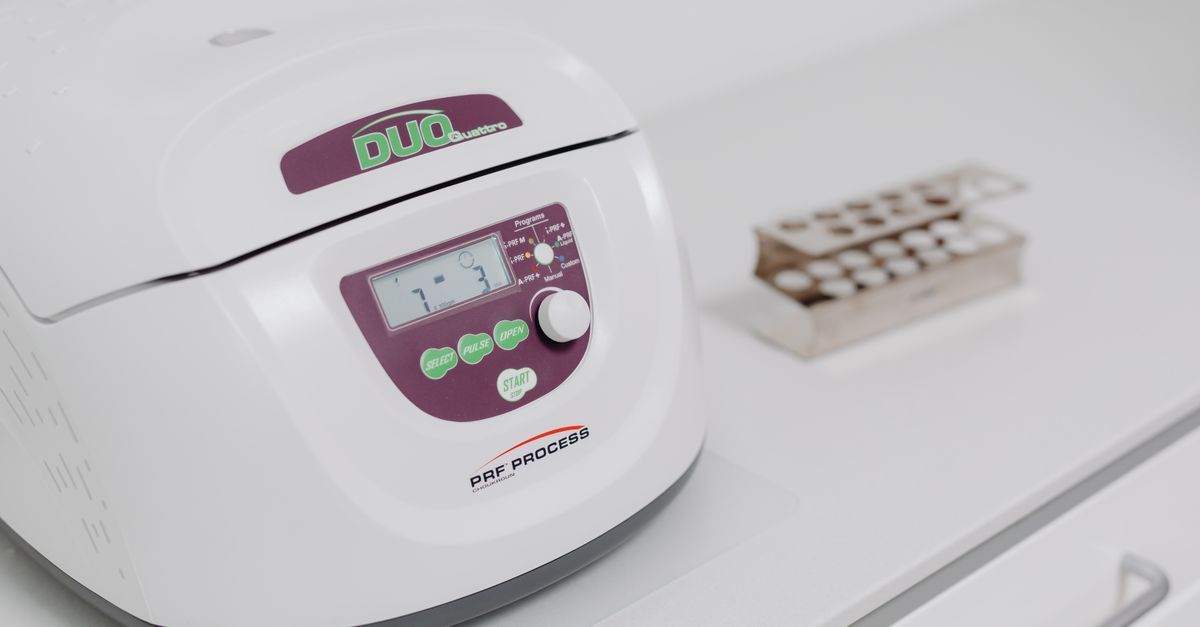
Platelet-rich plasma is made by drawing a small amount of your blood and spinning it so platelets become concentrated in a portion of the plasma. Platelets contain growth factors involved in tissue repair. Injected into the scalp, PRP is thought to prolong the hair growth phase and thicken miniaturised hairs. Studies suggest PRP can improve hair density and thickness for some people with pattern hair loss, but protocols vary widely and results are not guaranteed. It is best seen as a complement to proven medication, not a replacement.
Who is it for?
- Men and women with early to moderate pattern hair loss
- People who cannot tolerate or prefer to limit medication
- Patients after hair transplant, as a possible support to recovery
PRP is not suitable for people with certain blood disorders, low platelet counts, active scalp infection or those on some anticoagulants. It does not regrow hair on completely bald, scarred skin.
What happens at the clinic
- Assessment: diagnosis and baseline photos.
- Blood draw: a small sample is taken from the arm.
- Processing: the sample is centrifuged to concentrate platelets; some clinics add activators.
- Numbing: cream, cooling or local nerve block.
- Injection: PRP is injected across thinning areas with fine needles or an injector device.
- Aftercare instructions: usually avoid washing hair for several hours and skip intense exercise that day.
Recovery and aftercare
Mild tenderness, tightness and pinpoint bleeding are common for a day or two; a mild headache can occur. Avoid hair dye, saunas and alcohol for 1–2 days. Results, if they occur, become visible gradually over 3–6 months. Maintenance sessions are usually needed to sustain any benefit.
Risks and side effects
- Pain during injection and temporary tenderness
- Bruising or swelling, sometimes spreading to the forehead
- Infection, rare with sterile technique
- Variable or minimal response in some people
Choosing a clinic for scalp PRP in Seomyeon
- Choose a doctor who diagnoses your hair loss and uses PRP as part of a broader plan.
- Ask how the PRP is prepared, including spin method and kit used.
- Ask how they will measure results, such as standardised photos or density readings.
- Ask how pain is managed during injections.
- Ask about sterile handling and single-use materials.
Scheduling
PRP sessions are monthly at first, which suits people living in Busan. Seomyeon's clinics are a short ride from most districts on Line 1 or Line 2.
Key facts
- Treats: pattern hair loss (male and female), as an add-on; sometimes post-transplant
- Source: your own blood, spun in a centrifuge
- Session time: about 45–60 minutes
- Course: commonly 3–4 sessions about 4 weeks apart, then every few months
- Anesthesia: numbing cream, ice or nerve block
- Downtime: mild tenderness or swelling for 1–2 days
- Typical NHI coverage: not covered
Frequently asked questions
Does PRP really work for hair loss?
Research suggests PRP can improve hair density and thickness for some people with pattern hair loss, but results vary and protocols differ between clinics. It works best as an add-on to medication such as minoxidil or finasteride.
How many PRP sessions do I need?
A common protocol is 3–4 sessions about a month apart, followed by maintenance every 3–6 months. Your doctor may adjust the schedule based on your response.
Is scalp PRP painful?
The scalp is sensitive, so injections can be uncomfortable. Numbing cream, cooling, vibration devices or nerve blocks reduce pain. Tenderness afterward usually lasts a day or two.
Can PRP replace hair loss medication?
Generally no. Medication has stronger evidence for slowing pattern hair loss. PRP is usually used alongside medication, or for people who cannot take certain drugs.
Is PRP safe?
Because it uses your own blood, allergic reactions are unlikely. Risks are mainly pain, bruising and rare infection. People with blood disorders or on anticoagulants should discuss suitability with their doctor.
Medical disclaimer: Seomyeon.Clinic is an independent information directory. Content is for general education and does not replace a consultation with a licensed physician. Suitability, risks, results and costs vary by person and clinic. In an emergency in Korea, call 119.