
Low-Level Laser Hair Therapy in Seomyeon, Busan
Low-level laser hair therapy (저출력 레이저 모발 치료), or LLLT, uses red or near-infrared light at low power to stimulate hair follicles, with the aim of slowing thinning and improving density. In Seomyeon, Busan, sessions are painless, take about 15–30 minutes and are often repeated 2–3 times a week, either in clinic or with an approved home device. Results, if any, appear after about 3–6 months.
Independent patient guide · Medically informative, not a substitute for a doctor's advice · Last reviewed:
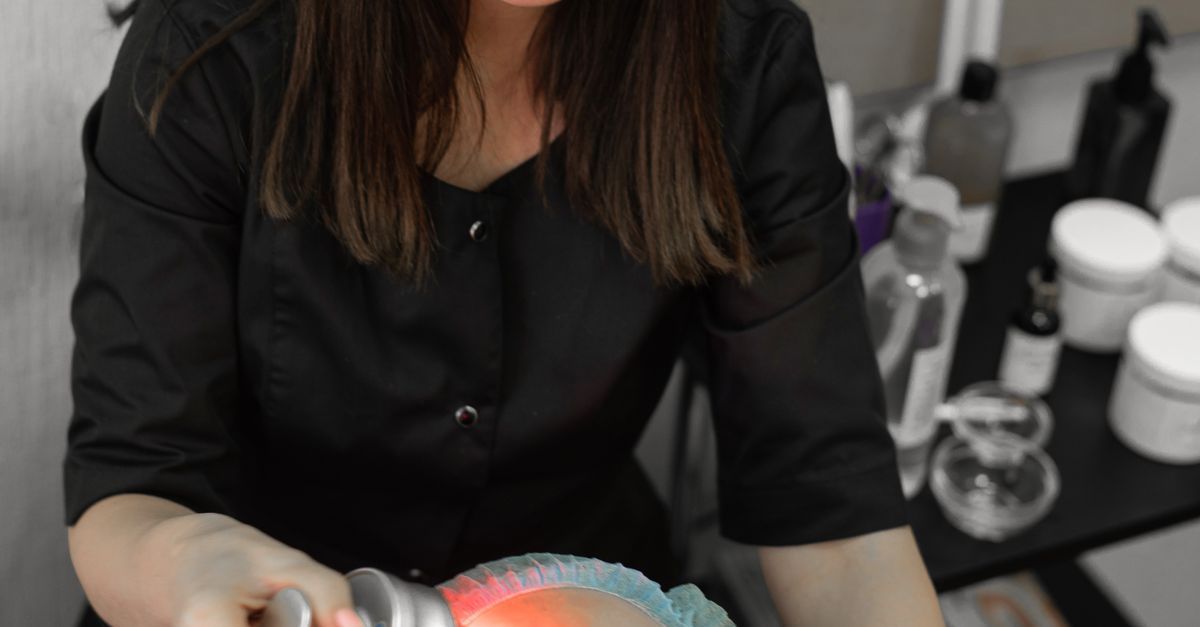
What is low-level laser hair therapy?
LLLT, also called photobiomodulation, delivers low-intensity light that does not heat or cut tissue. It is thought to increase cellular energy production and blood flow in follicles, encouraging hairs to enter and stay in the growth phase. Several home devices have received regulatory clearance in various countries, and some controlled studies show modest improvements in hair count for pattern hair loss. LLLT is generally considered an add-on rather than a primary treatment.
Who is it for?
- People with early to moderate pattern hair loss
- Those who cannot use, or want to supplement, medication
- Patients after hair transplant seeking additional support
LLLT does not help completely bald areas where follicles are gone, and it is not a treatment for scarring alopecia or patchy alopecia areata. People with photosensitive conditions or on photosensitising medicines should check with their doctor.
What happens at the clinic
- Diagnosis: confirming pattern hair loss and documenting baseline density.
- Plan: deciding between in-clinic sessions and a home device.
- Session: you sit under a light hood or wear a cap for the set time; it feels like nothing or slight warmth.
- Combination: often paired with medication, PRP or scalp care.
- Review: progress photos at about 3 and 6 months.
Treatment outlook
Benefits, when seen, are gradual and modest, with reduced shedding and slightly thicker hair over months. Consistency matters: missing sessions reduces effect. Continued use is needed to maintain results.
Risks and side effects
- Generally very low risk
- Occasional scalp itching, dryness or mild warmth
- Possible temporary shedding at the start
- Eye exposure should be avoided with some devices
- Costly home devices may give limited benefit for some users
Choosing a clinic for LLLT in Seomyeon
- Choose a clinic that diagnoses hair loss first and uses LLLT within a broader plan.
- Ask about the device's wavelength and whether it has regulatory clearance.
- Ask whether a home device would be more practical than clinic visits.
- Ask how they will measure progress objectively.
- Clarify how many sessions are included before reassessment.
Convenience matters
Because LLLT requires frequent sessions, a clinic near your commute helps. Seomyeon's station connects Lines 1 and 2, convenient for regular visits.
Key facts
- Used for: male and female pattern hair loss, as an add-on
- Technology: red or near-infrared light (typically around 630–680 nm) from lasers or LEDs
- Formats: in-clinic hoods, home caps, helmets or combs
- Session time: about 15–30 minutes
- Frequency: commonly 2–3 times per week
- Downtime: none
- Time to results: about 3–6 months
Frequently asked questions
Does low-level laser therapy regrow hair?
Some studies show modest improvement in hair density and thickness in pattern hair loss. It works best on thinning, not completely bald areas, and is usually used together with medication rather than alone.
How often do I need LLLT sessions?
Most protocols recommend 2–3 sessions per week, each about 15–30 minutes, for several months. Home devices make this frequency easier to maintain.
Is LLLT safe?
It is considered very low risk. Side effects are uncommon and mild, such as scalp itching or warmth. Follow device instructions, particularly regarding eye protection.
Clinic LLLT or home laser cap: which is better?
Both can deliver similar light therapy. Home devices offer convenience for frequent use; clinic sessions allow professional monitoring. Choose a device with appropriate wavelength and regulatory clearance.
When will I see results from LLLT?
Expect to wait about 3–6 months before judging results, since hair growth cycles are slow. Take photos in consistent lighting to compare progress objectively.
Medical disclaimer: Seomyeon.Clinic is an independent information directory. Content is for general education and does not replace a consultation with a licensed physician. Suitability, risks, results and costs vary by person and clinic. In an emergency in Korea, call 119.