
High-Intensity Laser Therapy in Seomyeon, Busan
High-intensity laser therapy (HILT) delivers higher-power laser light into tissues to reduce pain and inflammation in conditions such as knee osteoarthritis, tendinopathy and back pain. In Seomyeon, rehabilitation and pain clinics typically apply it with a handheld probe for about 5–15 minutes per area, often several times over a few weeks. Evidence is promising but still limited.
Independent patient guide · Medically informative, not a substitute for a doctor's advice · Last reviewed:
What is high-intensity laser therapy?
Therapeutic lasers use light energy to influence tissue. Low-level laser therapy (LLLT) uses very low power, while high-intensity laser therapy (HILT, 고강도 레이저 치료) uses class IV lasers with higher power that can reach deeper structures. Proposed effects include reduced pain signalling, improved local blood flow and reduced inflammation. HILT devices have become common in Korean rehabilitation and pain clinics as a non-invasive add-on to physiotherapy.
Who is it for?
- Knee osteoarthritis pain
- Shoulder pain, including rotator cuff tendinopathy and frozen shoulder
- Chronic low back and neck pain
- Tendon problems such as tennis elbow or Achilles tendinopathy
- Plantar fasciitis
It is avoided over the eyes, over known or suspected cancers, over the pregnant abdomen, over tattoos or dark skin areas without adjusted settings, and in people taking light-sensitising medicines.
What happens at the clinic
- Diagnosis: a doctor confirms the condition and suitability.
- Safety preparation: both you and the operator wear protective goggles.
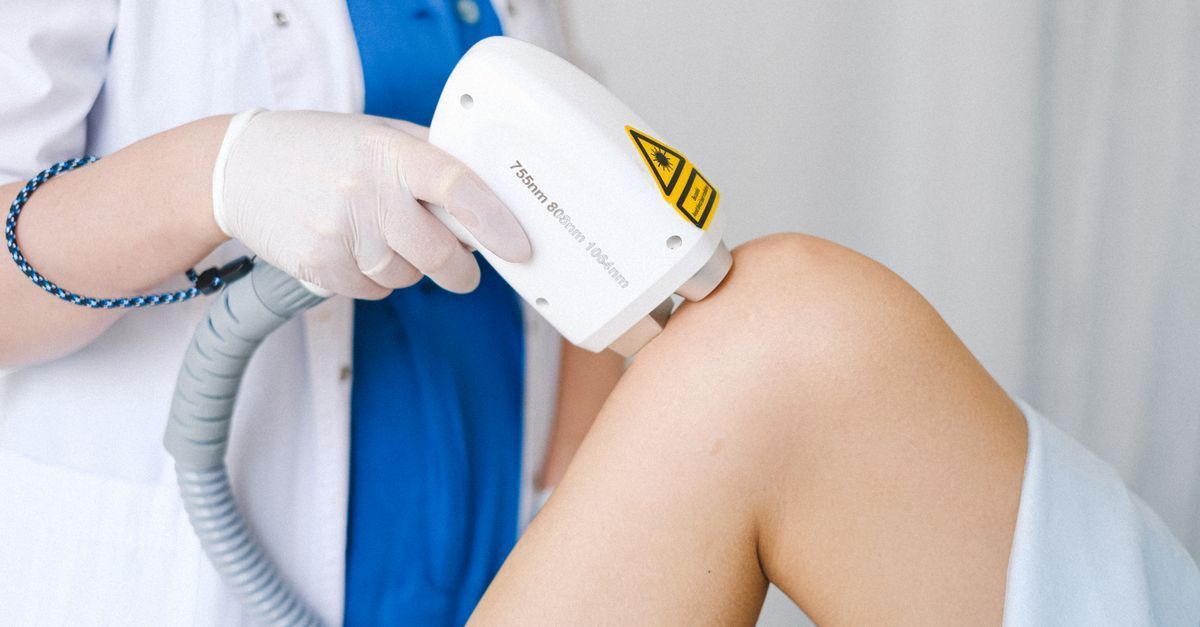
- Application: the therapist moves a handheld probe over the area, sometimes in contact with the skin.
- Sensation: mild warmth; tell staff if it feels too hot.
- Combination: usually followed by exercises or other physiotherapy.
Treatment outlook
Several clinical trials, some from Korea, report reductions in pain and improvements in function with HILT for knee osteoarthritis, low back pain and shoulder conditions, often when combined with exercise. However, many studies are small and protocols vary, so evidence is not yet definitive. Benefits, if any, may build over a course of sessions.
Risks and side effects
The main safety concern is eye damage, which is prevented with protective eyewear. Skin redness or a sensation of heat is possible; burns are rare with proper technique. Treatment is not recommended over areas with reduced sensation.
Choosing a clinic for laser therapy in Seomyeon
- Confirm protective eyewear is used for both patient and operator.
- Ask what condition the laser is targeting and the evidence for it.
- Ask how many sessions are planned and the cost per session.
- Ensure it is combined with an exercise program.
- Ask about alternatives, such as shockwave or injections, and their pros and cons.
Local note
Laser sessions are short and fit easily into a busy day. Clinics near Seomyeon Station on Lines 1 and 2 often offer evening appointments.
Key facts
- Technology: class IV therapeutic laser, higher power than low-level laser
- Used for: knee osteoarthritis, shoulder and tendon pain, low back pain, plantar fasciitis
- Session time: about 5–15 minutes per area
- Sensation: gentle warmth
- Course: commonly several sessions over 2–4 weeks
- Safety: protective eyewear required
- NHI coverage: usually non-covered
Frequently asked questions
Does high-intensity laser therapy hurt?
No, most people feel only gentle warmth. If the area feels too hot, the therapist adjusts the settings or movement of the probe.
How many laser therapy sessions are needed?
Courses commonly involve several sessions over 2–4 weeks. Your clinician should review progress and stop if there is no improvement.
Is laser therapy effective for knee arthritis?
Some trials report reduced pain and improved function, especially combined with exercise. Evidence is still developing, so results vary between individuals.
Is high-intensity laser therapy covered by insurance in Korea?
It is usually non-covered by National Health Insurance and paid per session. Ask for the total course cost before starting.
High-intensity laser vs low-level laser: what is the difference?
High-intensity lasers use more power and may reach deeper tissues, producing noticeable warmth. Low-level lasers use very low power with no warmth. Evidence exists for both, with mixed results.
Medical disclaimer: Seomyeon.Clinic is an independent information directory. Content is for general education and does not replace a consultation with a licensed physician. Suitability, risks, results and costs vary by person and clinic. In an emergency in Korea, call 119.