
Extracorporeal Shockwave Therapy in Seomyeon, Busan
Extracorporeal shockwave therapy (ESWT) delivers acoustic pressure waves through the skin to stubborn tendon and soft-tissue problems such as plantar fasciitis, calcific shoulder tendinitis and tennis elbow. In Seomyeon, orthopedic and rehab clinics typically give 3–5 sessions about a week apart, each taking roughly 10–20 minutes. No anesthesia is needed and you can walk out straight away.
Independent patient guide · Medically informative, not a substitute for a doctor's advice · Last reviewed:
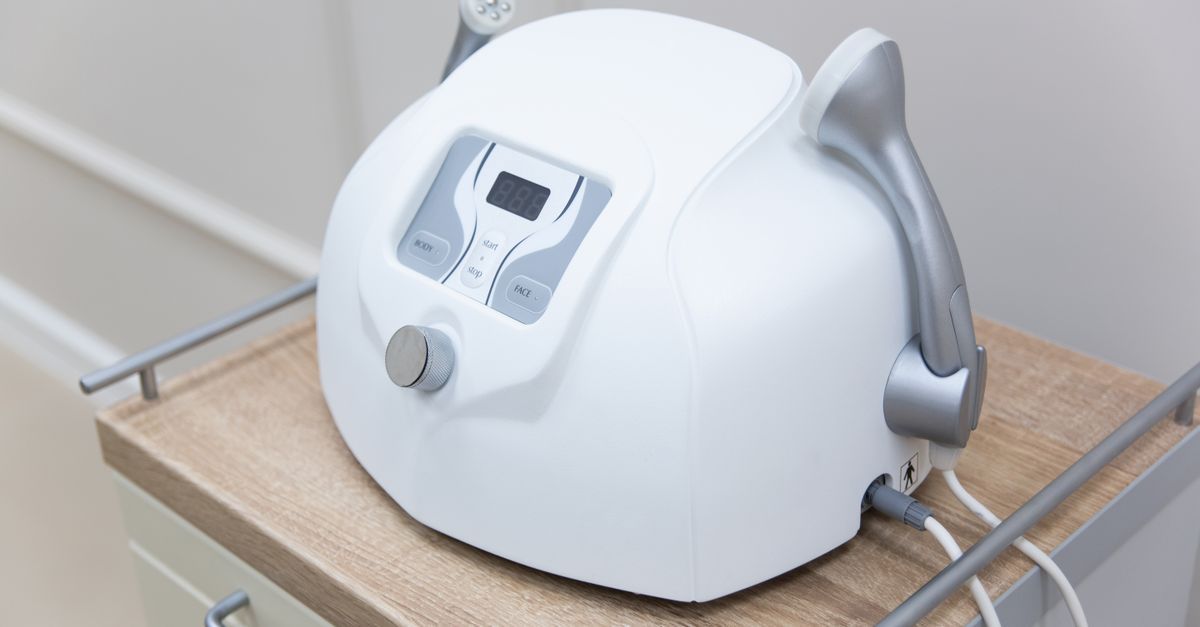
What is shockwave therapy?
Extracorporeal shockwave therapy (체외충격파 치료) uses a handheld applicator to send short, high-energy sound waves into painful tissue. It is thought to stimulate tissue remodelling, reduce pain signalling and, in calcific tendinitis, help break up calcium deposits. There are two main types: focused shockwave, which concentrates energy at a precise depth, and radial pressure waves, which spread more superficially. Both are widely used in Korean orthopedic and rehabilitation clinics.
Who is it for?
- Plantar heel pain lasting several months despite stretching and footwear changes
- Calcific tendinitis of the shoulder
- Lateral elbow pain (tennis elbow) not responding to exercise
- Some chronic Achilles, patellar and hip tendon problems
Evidence is strongest for calcific shoulder tendinitis and chronic plantar fasciitis, and more mixed for other uses. It is generally not used over growth plates in children, over the lungs, in pregnancy, or in people with bleeding disorders or tumours in the area.
What happens at the clinic
- Diagnosis: examination and usually ultrasound or X-ray to confirm the problem and locate it.
- Positioning: gel is applied over the painful spot.
- Treatment: the applicator delivers pulses; intensity is adjusted to a tolerable level.
- After the session: you walk out; normal daily activity continues.
- Course: repeat sessions about weekly, alongside exercises.
Treatment outlook
Improvement is often gradual, appearing over the weeks after the course rather than immediately. Shockwave works best as part of a plan that includes stretching, strengthening and load management. If there is no improvement after a full course, the diagnosis and plan should be reviewed rather than simply adding more sessions.
Risks and side effects
Common effects are discomfort during treatment, temporary redness, swelling, bruising or soreness for a day or two. Serious complications are rare when contraindications are respected. Tell the clinic if you take blood thinners.
Choosing a clinic for shockwave therapy in Seomyeon
- Ask whether they use focused or radial shockwave, and why for your condition.
- Confirm that the diagnosis was made with imaging, not assumed.
- Ask how many sessions they expect and what happens if it does not help.
- Request a clear price per session, as it is often non-covered.
- Ask for a home exercise program to use between sessions.
Local tip
Weekly sessions suit people living or working in Busan more than short-stay visitors. Seomyeon's interchange of Metro Lines 1 and 2 makes regular appointments easy to fit around work.
Key facts
- Used for: chronic plantar fasciitis, calcific shoulder tendinitis, tennis elbow, some Achilles and patellar tendinopathies
- Session time: about 10–20 minutes
- Sessions: typically 3–5, about weekly
- Anesthesia: none
- Downtime: none; mild soreness for 1–2 days
- Results: gradual, often assessed weeks after the final session
- NHI coverage: usually non-covered for most indications
Frequently asked questions
Does shockwave therapy hurt?
It can be uncomfortable, especially over very sore spots, but intensity is adjusted to what you can tolerate. Discomfort usually stops when the session ends, with mild soreness for a day or two.
How many shockwave sessions do I need?
Most protocols use 3–5 sessions spaced about a week apart. Benefits often continue to develop for several weeks after the last session.
What conditions does shockwave therapy help most?
Evidence is strongest for calcific shoulder tendinitis and chronic plantar fasciitis. It may help some cases of tennis elbow and other tendinopathies, but results are more variable.
Is shockwave therapy covered by insurance in Korea?
For most musculoskeletal uses it is non-covered by National Health Insurance and paid per session. Prices vary, so ask for the full course cost upfront.
Can I exercise after shockwave therapy?
Usually yes for normal daily activity. Many clinicians suggest avoiding intense loading of the treated area for a day or two, then continuing your rehab exercises.
Medical disclaimer: Seomyeon.Clinic is an independent information directory. Content is for general education and does not replace a consultation with a licensed physician. Suitability, risks, results and costs vary by person and clinic. In an emergency in Korea, call 119.