
Sports Rehabilitation in Seomyeon, Busan
Sports rehabilitation is a staged exercise-based program that takes an injured athlete from pain control through strength, power and sport-specific training back to full participation. In Seomyeon, rehabilitation and sports medicine clinics typically combine a doctor's diagnosis with therapist-led sessions of about 45–60 minutes and objective tests before return to play, over weeks to months.
Independent patient guide · Medically informative, not a substitute for a doctor's advice · Last reviewed:
What is sports rehabilitation?
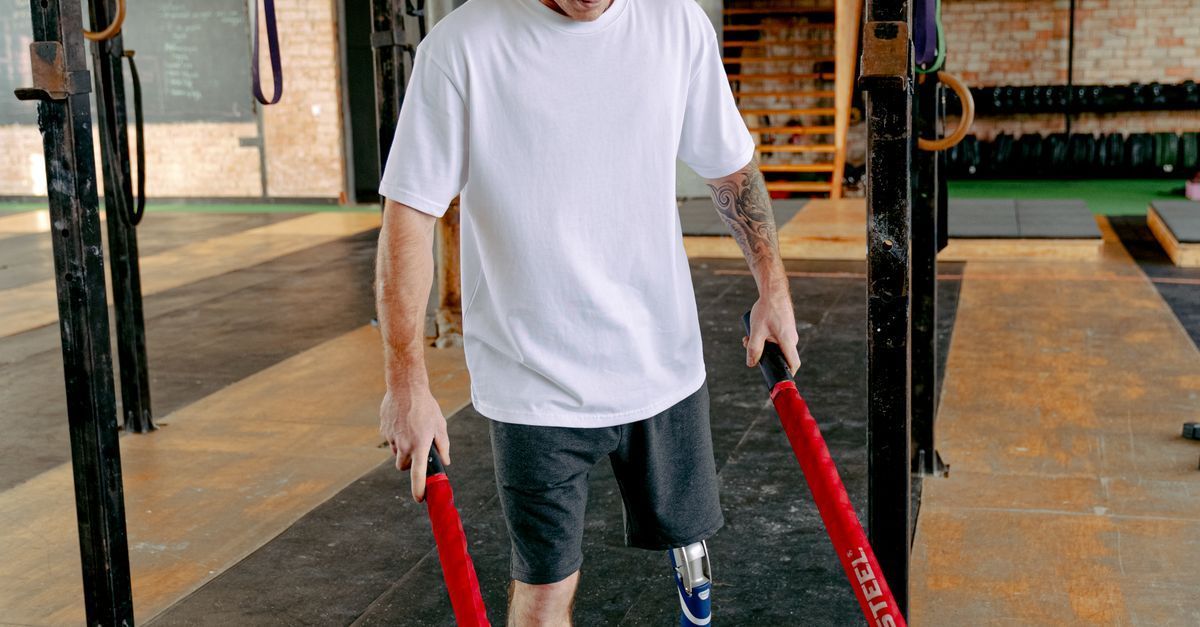
Sports rehabilitation (스포츠 재활) goes beyond relieving pain. It restores the strength, endurance, power, coordination and confidence needed to return to a sport safely. Programs are tailored to the injury and the demands of the sport, whether football, basketball, running, golf, climbing or martial arts. In Korea, sports rehab is offered by rehabilitation medicine and orthopedic clinics with therapists experienced in athletic training, and by some dedicated sports medicine centres.
Who is it for?
- Recreational and competitive athletes after sprains, strains or tendon injuries
- Athletes recovering from surgery such as ACL reconstruction or shoulder stabilisation
- Runners with recurring overuse injuries
- Anyone wanting a structured plan to return to sport after a long break
What happens at the clinic
- Diagnosis: a doctor confirms the injury, usually with exam and imaging.
- Baseline testing: range of motion, strength, balance and movement quality.
- Early phase: pain and swelling control, protected movement and activation exercises.
- Strength phase: progressive resistance training, often in a gym setting.
- Power and agility: plyometrics, change of direction and speed work.
- Sport-specific phase: drills replicating your sport's demands.
- Return-to-play testing: objective criteria before full training and competition.
Treatment outlook
Well-structured rehab improves outcomes and reduces the chance of re-injury. Using objective criteria, such as limb strength symmetry and hop tests, is generally better than returning based on time alone. Timelines vary widely: a minor muscle strain may take a few weeks, while ligament reconstructions take many months.
Risks and side effects
Progressing too fast can cause flare-ups or re-injury; progressing too slowly can delay return and reduce fitness. Expect muscle soreness during strength phases. Report new swelling, instability or sharp pain promptly.
Choosing a clinic for sports rehabilitation in Seomyeon
- Ask whether the clinic has gym space and equipment for strength and agility work.
- Ask which objective tests they use before clearing return to sport.
- Ask whether therapists have experience with your sport.
- Check that the plan coordinates with your surgeon or doctor.
- Ask about session costs and whether programs are covered or self-pay.
For active visitors
If you are training or competing in Busan, a clinic near Seomyeon is convenient from most venues via Metro Lines 1 and 2. Ask for a written program to continue at home.
Key facts
- For: ligament, tendon, muscle and joint injuries; post-surgery athletes
- Stages: protection, mobility, strength, power and agility, sport-specific, return to play
- Session length: about 45–60 minutes
- Testing: strength comparisons, hop tests, movement screens
- Typical timelines: weeks for strains; 9–12 months after ACL reconstruction
- Goal: safe return and lower re-injury risk
- NHI coverage: specialised programs often partly or fully non-covered
Frequently asked questions
How long does sports rehabilitation take?
It depends on the injury: a few weeks for mild strains, a few months for tendon problems, and often 9–12 months after ACL reconstruction before returning to pivoting sports.
How do I know I am ready to return to sport?
Readiness is best judged by objective tests, such as strength compared with the uninjured side, hop and agility tests, and confidence, alongside your doctor's clearance.
Can I keep training while injured?
Often yes, with modifications. Rehab programs usually keep you training the uninjured parts of the body and maintain fitness while the injury heals.
Is sports rehabilitation covered by insurance in Korea?
Basic physical therapy may be covered by National Health Insurance for enrolled patients, but specialised one-to-one sports rehab programs are often non-covered.
Sports rehab vs personal training: what is the difference?
Sports rehab is guided by a medical diagnosis and healing timelines, delivered by licensed therapists. Personal trainers focus on fitness for healthy individuals and may continue after rehab ends.
Medical disclaimer: Seomyeon.Clinic is an independent information directory. Content is for general education and does not replace a consultation with a licensed physician. Suitability, risks, results and costs vary by person and clinic. In an emergency in Korea, call 119.