
Gait Analysis in Seomyeon, Busan
Gait analysis is a structured assessment of how you walk or run, using observation, video and sometimes pressure plates or sensors, to identify movement patterns linked with pain, injury or falls. In Seomyeon, rehabilitation clinics typically perform it in about 30–60 minutes, then use the findings to guide exercises, footwear advice, insoles or running technique changes.
Independent patient guide · Medically informative, not a substitute for a doctor's advice · Last reviewed:
What is gait analysis?
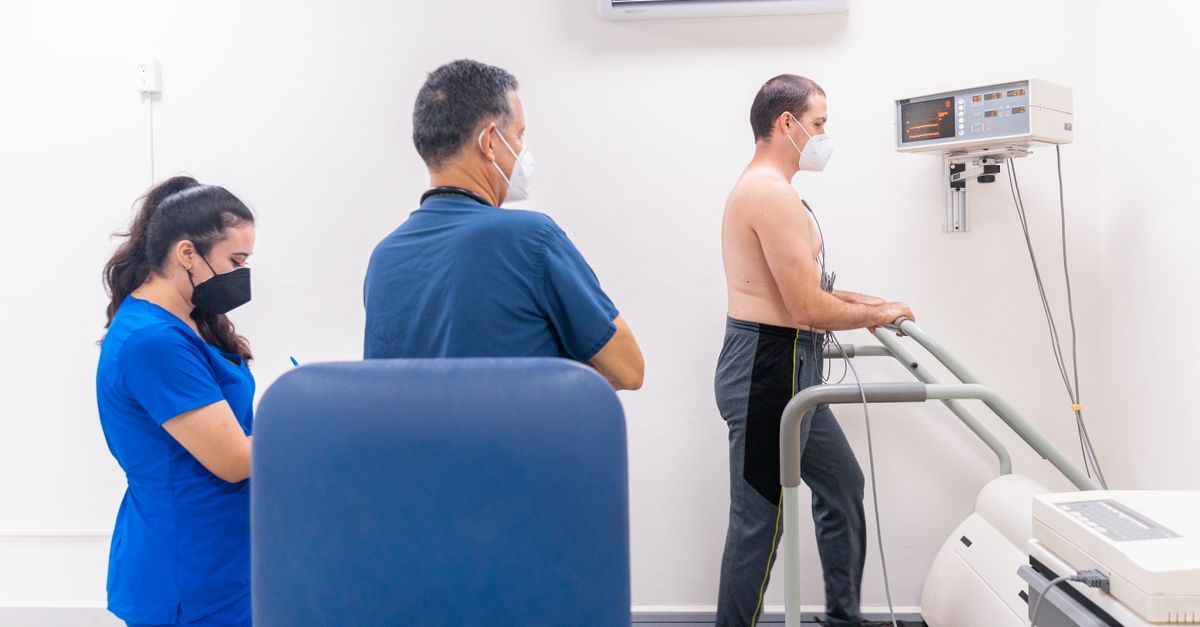
Gait is the pattern of how we walk or run. Small differences, such as how the foot lands, how the knee tracks, or how the pelvis moves, can contribute to pain or injury when repeated thousands of times a day. Gait analysis (보행 분석) breaks this pattern down. In rehabilitation clinics, it ranges from a trained therapist observing you walk, to slow-motion video, pressure-sensing platforms that map how weight moves through the foot, and sensor-based systems. Hospital gait laboratories offer advanced 3D motion capture for complex neurological conditions.
Who is it for?
- Runners with recurring shin, knee, hip or foot injuries
- People with persistent heel pain, bunions or flat-foot symptoms
- Those recovering from stroke, surgery or nerve injuries
- Older adults with balance problems or fall risk
- Anyone considering custom insoles
What happens at the clinic
- History: symptoms, activity, footwear and training load.
- Physical exam: joint mobility, strength, flexibility and foot structure.
- Gait recording: walking and, if relevant, running on a treadmill or walkway while filmed or measured.
- Pressure analysis: plates or insoles show load distribution through each foot.
- Review: the clinician explains key findings with video and images.
- Plan: targeted exercises, cueing for technique, footwear guidance and, if needed, orthotics.
Treatment outlook
Gait analysis does not treat a problem by itself; its value lies in guiding treatment. Strengthening weak hip or calf muscles, adjusting running cadence or improving footwear can reduce load on painful structures. Evidence for routinely changing running form is mixed, so changes are usually made gradually and only when linked to symptoms.
Risks and limitations
The assessment is safe and non-invasive. Findings must be interpreted carefully; many people with "imperfect" gait have no pain. Avoid clinics that use gait analysis mainly to sell expensive products without addressing strength and training habits.
Choosing a clinic for gait analysis in Seomyeon
- Ask what equipment and methods are used and what each measures.
- Ensure a clinician examines you physically, not just on a device.
- Ask for a clear explanation linking findings to your symptoms.
- Ask whether insoles are recommended only when indicated.
- Request copies of videos or reports to share with your coach or therapist.
Practical tips
Bring the shoes you walk and run in most often. Seomyeon clinics are a short ride from most parts of Busan on Lines 1 and 2, convenient for runners training along the city's rivers and coast.
Key facts
- Methods: clinical observation, slow-motion video, foot pressure plates, treadmill or wearable sensors
- Used for: foot, knee, hip and back pain; running injuries; stroke and neurological gait problems; fall risk
- Session time: about 30–60 minutes
- What to bring: usual shoes, running shoes, shorts
- Outputs: movement findings, pressure maps, exercise and footwear recommendations
- Follow-up: repeat analysis to track changes
- NHI coverage: often non-covered unless part of specific medical evaluation
Frequently asked questions
What does a gait analysis show?
It shows how your feet, knees, hips and trunk move during walking or running, and how pressure is distributed through your feet. Clinicians link these findings to your symptoms.
Do I need gait analysis for running injuries?
It can help for recurring injuries or when the cause is unclear. Many running injuries also relate to training load, strength and recovery, which should be assessed too.
Will gait analysis tell me which shoes to buy?
It can guide shoe features, such as cushioning or stability, but comfort is a key factor. Choose shoes that feel comfortable and suit your foot shape.
Is gait analysis covered by insurance in Korea?
Gait analysis in rehabilitation clinics is often non-covered, although some evaluations within medical treatment may be covered. Ask the clinic before booking.
How long does a gait analysis take?
Usually about 30–60 minutes, including history, physical examination, recording and an explanation of the results.
Medical disclaimer: Seomyeon.Clinic is an independent information directory. Content is for general education and does not replace a consultation with a licensed physician. Suitability, risks, results and costs vary by person and clinic. In an emergency in Korea, call 119.