
Custom Orthotic Insoles in Seomyeon, Busan
Custom orthotic insoles are shoe inserts made from a scan or mould of your feet to support the arch, redistribute pressure or correct alignment, used for conditions such as plantar fasciitis, flat feet, high arches and some knee pain. In Seomyeon, rehabilitation clinics usually assess your feet and gait, take a 3D scan or foam impression, and fit the insoles within days to a couple of weeks.
Independent patient guide · Medically informative, not a substitute for a doctor's advice · Last reviewed:
What are custom orthotic insoles?
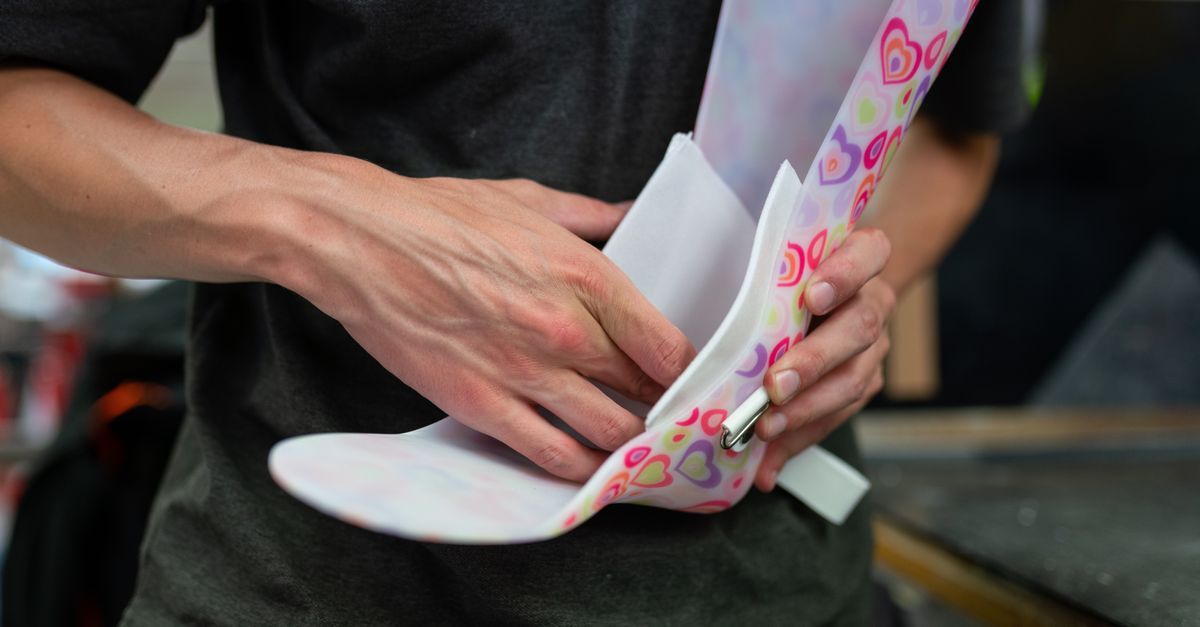
Orthotic insoles (맞춤 깔창, 교정 깔창) are inserts placed inside shoes to change how forces pass through the foot and leg. Off-the-shelf insoles come in standard shapes; custom insoles are made from your own foot shape and adjusted for your specific problem. Materials range from flexible foams to semi-rigid plastics or carbon composites. In Korea, rehabilitation and orthopedic clinics, as well as specialist orthotic workshops, provide them.
Who is it for?
- Plantar fasciitis or heel pain not settling with stretching and footwear
- Symptomatic flat feet or posterior tibial tendon problems
- High-arched feet with poor shock absorption
- Forefoot pain, such as metatarsalgia or Morton's neuroma
- Leg length differences
- People with diabetes needing pressure redistribution (with medical supervision)
Many people with flat feet have no symptoms and do not need insoles. Good off-the-shelf options work well for many mild problems.
What happens at the clinic
- Medical assessment: diagnosis of the underlying problem.
- Foot and gait assessment: standing posture, foot mobility and walking pattern, sometimes pressure mapping.
- Casting or scanning: a 3D foot scan or foam box impression.
- Fabrication: the insole is designed with arch support, heel cups, or pads as needed.
- Fitting: checking comfort in your shoes and making adjustments.
- Follow-up: a review after a few weeks to fine-tune.
Recovery and aftercare
Wear new insoles for an hour or two on the first day and increase gradually over 1–2 weeks. Some muscle tiredness is normal; sharp pain or blisters mean an adjustment is needed. Insoles fit best in shoes with removable inserts and enough depth. Continue stretching and strengthening exercises, as insoles work best alongside them.
Risks and limitations
Poorly fitted insoles can cause blisters, pressure points or new pain. Research suggests custom insoles help some conditions but are not always superior to good prefabricated insoles. They manage symptoms rather than permanently changing foot structure in adults.
Choosing a clinic for custom insoles in Seomyeon
- Ensure a clinician diagnoses your problem before recommending insoles.
- Ask whether prefabricated insoles might be enough for you.
- Ask about materials, turnaround time and the adjustment policy.
- Bring the shoes you will wear most often to the fitting.
- Ask for a clear price and whether follow-up adjustments are included.
For visitors
If you are in Busan briefly, check turnaround time before ordering. Seomyeon is convenient for return fittings, being on both Metro Lines 1 and 2.
Key facts
- Used for: plantar heel pain, flat or high-arched feet, forefoot pain, leg length difference, some knee and hip pain
- Process: assessment, gait analysis, 3D scan or impression, fabrication, fitting
- Assessment time: about 30–60 minutes
- Turnaround: often a few days to two weeks
- Break-in: gradually over 1–2 weeks
- Lifespan: commonly 1–3 years depending on use and material
- NHI coverage: usually non-covered for adults
Frequently asked questions
Do I need custom insoles or are store-bought ones enough?
For many mild problems, good prefabricated insoles work well. Custom insoles may be worth it for complex foot shapes, persistent pain or when prefabricated options have not helped.
How long do custom orthotic insoles last?
Commonly 1–3 years, depending on materials, body weight and activity. Check them regularly for wear and have them reviewed if symptoms return.
Do insoles fix flat feet?
Insoles support the foot and can reduce symptoms, but they do not permanently change foot structure in adults. Many people with flat feet need no treatment.
Are custom insoles covered by insurance in Korea?
For adults, custom insoles are usually non-covered by National Health Insurance. Some cases may qualify for support under specific criteria; ask the clinic.
How long does it take to get used to insoles?
Most people adapt within 1–2 weeks by increasing wearing time gradually. Persistent discomfort means the insoles may need adjustment.
Medical disclaimer: Seomyeon.Clinic is an independent information directory. Content is for general education and does not replace a consultation with a licensed physician. Suitability, risks, results and costs vary by person and clinic. In an emergency in Korea, call 119.