
Bunion (Hallux Valgus) Surgery in Seomyeon, Busan
Bunion (hallux valgus) surgery straightens a big toe that has drifted toward the other toes by cutting and realigning the bone (osteotomy) and balancing soft tissues. In Seomyeon, orthopedic foot surgeons assess it with standing X-rays, operate in about 1 hour, and use a post-op shoe for around 6 weeks. Swelling can take several months to settle.
Independent patient guide · Medically informative, not a substitute for a doctor's advice · Last reviewed:
What is bunion surgery?
A bunion is not just a bump: it is a deformity in which the first metatarsal bone drifts outward and the big toe angles toward the second toe, leaving a prominent, often painful joint. Genetics and foot shape play a big role; narrow, high-heeled shoes can aggravate it. Surgery corrects the alignment of the bones rather than simply shaving the bump, which on its own tends to fail. Several techniques exist, including traditional open osteotomies, minimally invasive (percutaneous) osteotomies and fusion of a joint for severe or unstable deformities.
Who is it for?
- People with persistent pain over the bunion or under the ball of the foot
- Difficulty finding shoes despite wider footwear and padding
- Progressive deformity causing second-toe problems
Surgery for appearance alone is generally not recommended, because there is a real recovery period and some risk of ongoing stiffness or pain.
What happens at the clinic
- Exam: foot alignment, joint mobility and skin and circulation checks.
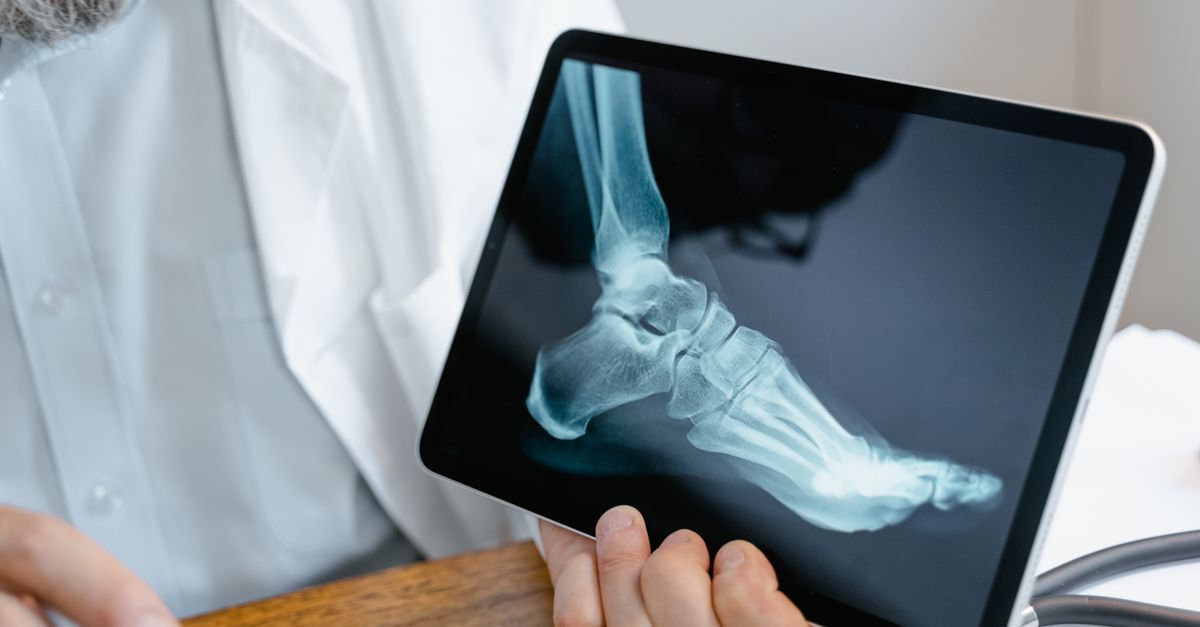
- Weight-bearing X-rays: angles are measured to plan the right osteotomy.
- Pre-op checks: blood tests and anesthesia review.
- Surgery: bones are cut, shifted and fixed with screws or a plate; soft tissues are balanced.
- Discharge: dressing, a stiff post-op shoe and elevation instructions; some patients stay one or more nights.
Recovery and aftercare
Keep the foot elevated as much as possible in the first two weeks to control swelling. You usually walk on the heel in a special shoe. X-rays at around 6 weeks check bone healing. Wider, soft shoes follow, and swelling can mean only certain shoes fit for several months. Running and high heels typically wait longer.
Risks and side effects
Possible problems include infection, delayed bone healing, stiffness of the big toe joint, numbness near the scar, recurrence of the deformity, over-correction, transfer pain to other toes and blood clots. Smoking increases the risk of poor bone healing.
Choosing a clinic for bunion surgery in Seomyeon
- Look for an orthopedic surgeon with a foot and ankle focus.
- Ask which osteotomy they recommend for your X-ray angles, and whether minimally invasive surgery suits you.
- Ask whether both feet can or should be done at once.
- Ask for a realistic timeline for returning to work, driving and normal shoes.
- Check that follow-up X-rays can be arranged, and that instructions are available in English.
Visitor note
Bunion surgery needs several weeks of limited walking, so it rarely fits a short holiday. If you recover locally, a hotel close to Seomyeon Station on Lines 1 and 2 limits walking to appointments.
Key facts
- Treats: painful hallux valgus (무지외반증) not helped by footwear changes
- Procedure: osteotomy of the first metatarsal, sometimes the toe bone, with screws or plates
- Procedure time: about 1 hour per foot
- Anesthesia: spinal, general or regional block
- Post-op shoe: typically about 6 weeks
- Normal shoes: often around 2–3 months
- Swelling: may persist for several months
Frequently asked questions
How long does it take to walk normally after bunion surgery?
Most people walk in a post-op shoe straight away or within days, move to wide normal shoes at around 6–8 weeks, and walk normally by about 3 months. Full recovery may take up to a year.
Is bunion surgery painful?
The first week or two are the most uncomfortable. Nerve blocks, painkillers and strict elevation help a lot. Throbbing when the foot hangs down is common early on.
Can a bunion come back after surgery?
Recurrence can happen, especially with severe deformities or if the underlying instability is not fully corrected. Choosing the right procedure for your X-ray findings reduces this risk.
Is bunion surgery covered by Korean national health insurance?
Surgery for a painful, functionally limiting bunion is generally covered by NHI for enrolled patients. Some techniques, devices or room options may be charged separately, so request an itemised estimate.
Minimally invasive vs open bunion surgery: which is better?
Minimally invasive techniques use small incisions and may cause less early swelling, while open techniques are well established for many deformities. Results depend heavily on surgeon experience and deformity type.
Medical disclaimer: Seomyeon.Clinic is an independent information directory. Content is for general education and does not replace a consultation with a licensed physician. Suitability, risks, results and costs vary by person and clinic. In an emergency in Korea, call 119.