
Post-Surgery Rehabilitation in Seomyeon, Busan
Post-surgery rehabilitation is a supervised program that restores movement, strength and independence after operations such as joint replacement, ligament reconstruction, fracture fixation or spine surgery. In Seomyeon, rehabilitation clinics follow the surgeon's protocol, typically progressing from gentle range-of-motion work to strengthening and functional training over weeks to months, with sessions of 30–60 minutes.
Independent patient guide · Medically informative, not a substitute for a doctor's advice · Last reviewed:
What is post-surgery rehabilitation?
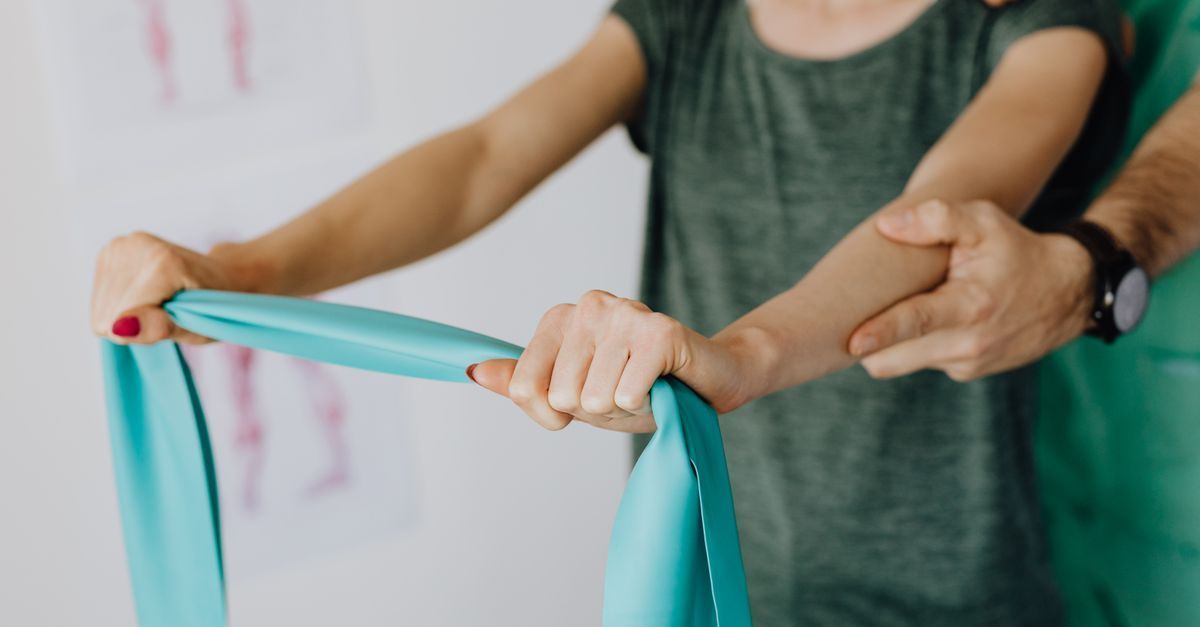
Surgery fixes a structural problem, but rehabilitation (수술 후 재활) restores the function. After an operation, muscles weaken quickly, joints stiffen and movement patterns change. A structured program helps you regain mobility, strength and confidence while protecting the repair. In Korea, rehab may start in the hospital ward, continue in a dedicated rehabilitation hospital for some major surgeries, then move to outpatient clinics like those around Seomyeon.
Who is it for?
- Knee or hip replacement patients
- Athletes after ACL reconstruction, meniscus repair or shoulder surgery
- People after fracture surgery with plates, screws or nails
- Patients after spine decompression or fusion
- Anyone with stiffness or weakness persisting after an operation
What happens at the clinic
- Review of surgery: the rehab doctor and therapist read your operation note and protocol.
- Assessment: wound status, swelling, range of motion, strength and walking.
- Early phase: swelling control, gentle range-of-motion and muscle activation within limits set by the surgeon.
- Middle phase: progressive strengthening, balance and gait training.
- Late phase: functional tasks, such as stairs, lifting, work or sport-specific training.
- Regular updates: progress is shared with your surgeon at follow-ups.
Recovery and aftercare
Recovery timelines depend on the surgery: many joint replacement patients walk independently within weeks, while ligament reconstructions take months. Home exercises done daily are as important as clinic sessions. Pain and swelling after sessions should settle within a day; persistent increases should be reported.
Risks and side effects
Pushing too hard too early can stress repairs; too little activity leads to stiffness. Watch for warning signs: increasing redness or discharge from the wound, fever, calf pain and swelling (possible clot) or sudden loss of function, and contact your doctor promptly.
Choosing a clinic for post-surgery rehab in Seomyeon
- Bring your operation note, surgeon's protocol and restrictions.
- Ask whether therapists have experience with your specific surgery.
- Ask how they communicate with your surgeon if issues arise.
- Check session frequency and whether early sessions can be daily if needed.
- If you will continue rehab abroad, ask for an English progress summary.
For patients from outside Busan
Staying near a metro line makes frequent early visits easier. Seomyeon connects Lines 1 and 2, and clinics nearby are used to patients on crutches and walkers.
Key facts
- Common surgeries: knee and hip replacement, ACL and rotator cuff repair, fracture fixation, spine surgery
- Phases: protection, range of motion, strengthening, functional and return to activity
- Guided by: the surgeon's protocol and healing timelines
- Session length: about 30–60 minutes
- Frequency: often 2–5 times a week early on
- Home program: daily exercises are essential
- Coverage: much inpatient and basic outpatient rehab is NHI-covered for enrolled patients
Frequently asked questions
When should rehabilitation start after surgery?
Often within a day or two in the hospital for joint replacements, and soon after for many other operations. Timing follows your surgeon's protocol to protect the repair.
How long does rehab after knee replacement take?
Most people walk independently within several weeks, with continued strength and movement gains for several months. Daily home exercises speed progress.
Can I do rehab in Busan and continue at home?
Yes. Ask for your surgeon's protocol and an English rehab summary, so a therapist at home can continue the program seamlessly.
Is post-surgery rehabilitation covered by insurance in Korea?
Inpatient and basic outpatient rehabilitation are generally covered by National Health Insurance for enrolled patients. Some specialised one-to-one sessions may be non-covered.
Is pain during rehab normal?
Some discomfort is expected as you regain movement. Pain should be manageable and settle within a day. Severe or worsening pain, fever or calf swelling should be reported.
Medical disclaimer: Seomyeon.Clinic is an independent information directory. Content is for general education and does not replace a consultation with a licensed physician. Suitability, risks, results and costs vary by person and clinic. In an emergency in Korea, call 119.