
Hydrotherapy in Seomyeon, Busan
Hydrotherapy (aquatic therapy) is rehabilitation exercise performed in a warm-water pool, where buoyancy reduces load on joints and warmth relaxes muscles. It is used for arthritis, back pain, post-surgery recovery and neurological conditions. In Busan, it is offered mainly by larger rehabilitation hospitals rather than small clinics, with sessions of about 30–45 minutes supervised by therapists.
Independent patient guide · Medically informative, not a substitute for a doctor's advice · Last reviewed:
What is hydrotherapy?
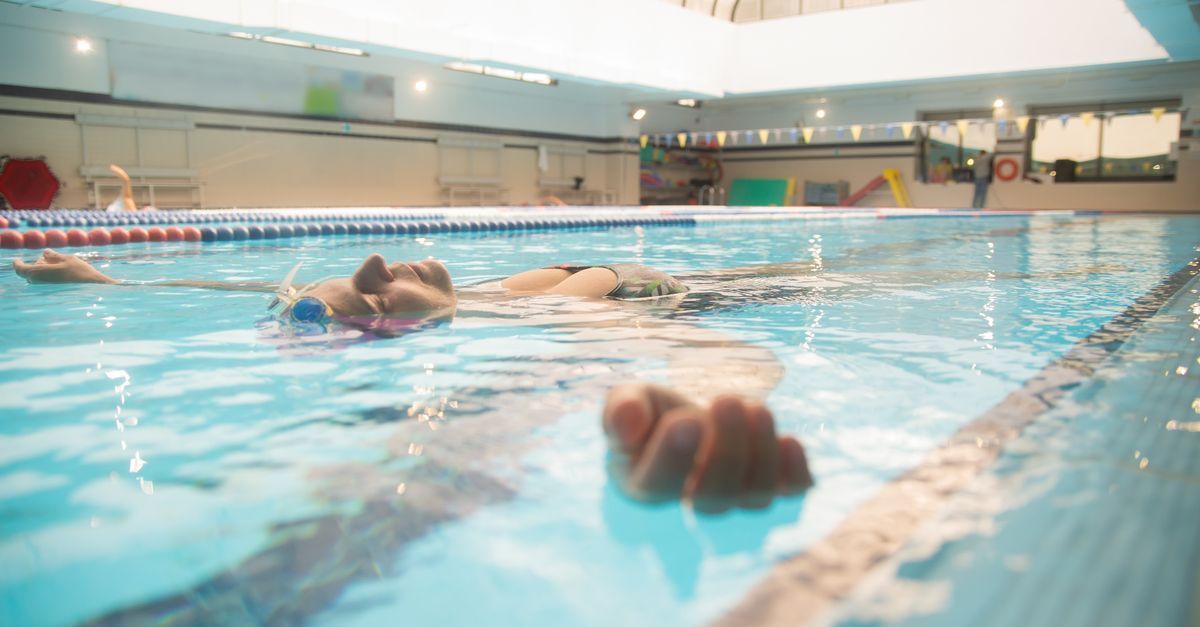
Hydrotherapy uses the physical properties of water for rehabilitation. Buoyancy supports body weight, so people with painful joints or weakness can walk and exercise with less load. Water resistance provides gentle strengthening in all directions, and warmth helps muscles relax and joints move more freely. Hydrostatic pressure may help reduce swelling. Unlike general swimming, aquatic therapy is a structured program led by a physical therapist with specific goals.
Who is it for?
- People with knee or hip osteoarthritis who find land exercise painful
- Chronic low back pain and fibromyalgia
- Early rehab after joint replacement or spine surgery, once wounds have healed
- Stroke, Parkinson's disease or other neurological conditions affecting balance
- Older adults building confidence and balance
It is not suitable with open wounds, active infections, uncontrolled epilepsy, significant heart failure or breathing problems, or bowel and bladder incontinence. Fear of water can be addressed gradually.
What happens at the rehabilitation hospital
- Medical clearance: a doctor checks heart and lung health, wounds and skin.
- Assessment: the therapist sets goals and checks water confidence.
- Session: warm-up walking in water, then targeted exercises for mobility, strength and balance.
- Progression: depth, speed and resistance are adjusted over time.
- Transition: skills are carried over to land-based exercise.
Treatment outlook
Research suggests aquatic exercise can reduce pain and improve function in knee and hip osteoarthritis, with effects similar to land-based exercise. It can be a valuable starting point for people who struggle with land exercise. Long-term benefits depend on staying active, often by continuing in community pools or transitioning to land exercise.
Risks and side effects
Fatigue after warm-water sessions is common, so drink water and rise slowly. Slips on wet surfaces are a risk; use handrails. Blood pressure may drop in warm water, which matters for people on certain medicines.
Finding hydrotherapy near Seomyeon
- Ask your rehabilitation doctor whether a hospital with a therapy pool is accessible to you.
- Confirm sessions are therapist-led, not just open pool time.
- Ask about water temperature, accessibility (hoists, ramps) and changing facilities.
- Ask whether sessions are covered for your condition.
- Ask for a land-based home program to continue gains.
Practical note
Bring a swimsuit, cap and towel. Small clinics around Seomyeon usually do not have therapy pools, but rehabilitation doctors there can advise and refer; Seomyeon's metro links on Lines 1 and 2 make onward travel straightforward.
Key facts
- Also called: aquatic therapy, pool therapy (수중운동치료)
- Used for: osteoarthritis, chronic back pain, fibromyalgia, post-surgery rehab, stroke and other neurological conditions
- Water temperature: typically warmer than a standard pool
- Session length: about 30–45 minutes
- Setting: mostly rehabilitation hospitals with therapy pools
- Avoid with: open wounds, infections, uncontrolled heart or breathing problems, incontinence
- Swimming skills: not required
Frequently asked questions
Do I need to swim for hydrotherapy?
No. Most exercises are done standing or supported in chest-deep water, and therapists use floats and handrails. Fear of water can be addressed gradually.
Is hydrotherapy good for arthritis?
Yes, research shows aquatic exercise can reduce pain and improve function in knee and hip osteoarthritis, similar to land-based exercise, and many people find it more comfortable.
Who should not do hydrotherapy?
People with open wounds, infections, incontinence, uncontrolled epilepsy, or significant heart or breathing problems should avoid it unless cleared by a doctor.
Is hydrotherapy available at clinics in Seomyeon?
Therapy pools are mostly found at larger rehabilitation hospitals, not small clinics. A rehabilitation doctor can advise where hydrotherapy is available and whether it suits you.
Is hydrotherapy covered by insurance in Korea?
Coverage depends on the hospital, condition and program. Some aquatic therapy within rehabilitation treatment may be covered for enrolled patients; ask the provider before starting.
Medical disclaimer: Seomyeon.Clinic is an independent information directory. Content is for general education and does not replace a consultation with a licensed physician. Suitability, risks, results and costs vary by person and clinic. In an emergency in Korea, call 119.