
Rehabilitation & Physical Therapy in Seomyeon, Busan
Rehabilitation and physical therapy help people recover movement, strength and independence after injury, surgery or illness, and manage long-term conditions. In Seomyeon, Busan, rehabilitation medicine clinics (재활의학과) combine a doctor's diagnosis with therapist-led exercise, manual therapy and physical modalities. Sessions usually last 20–60 minutes, often several times a week, with home exercise programs.
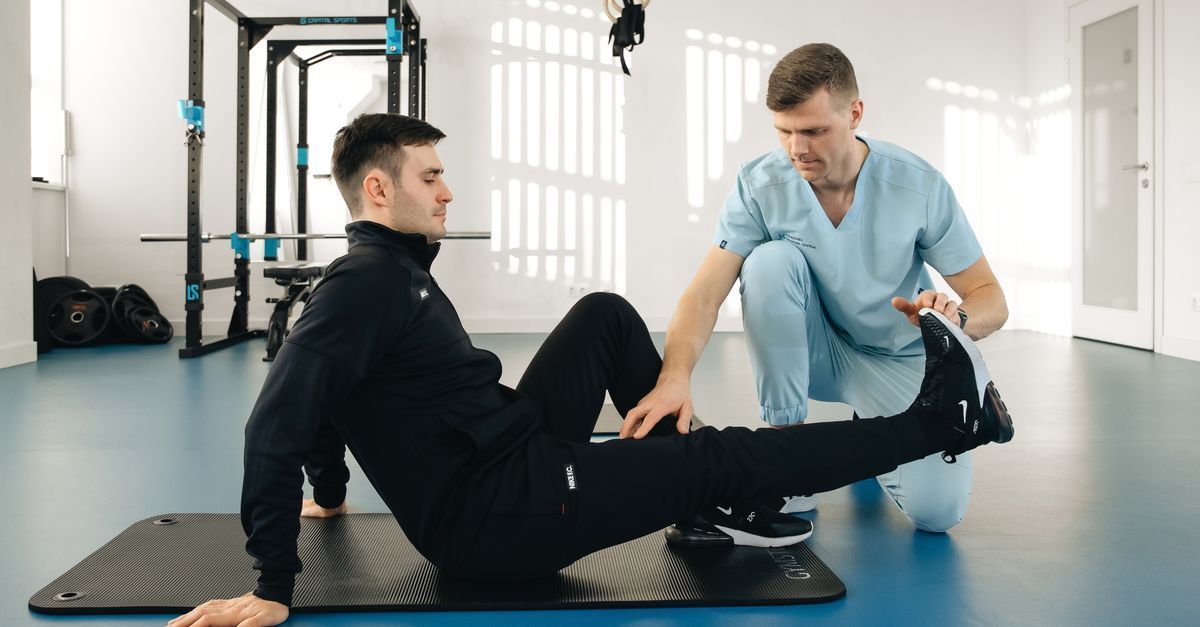
What does rehabilitation medicine cover?
Rehabilitation medicine specialists (재활의학과 전문의) diagnose and manage conditions that affect function, from back pain and sports injuries to stroke, spinal cord injury and children's developmental conditions. They lead teams of physical therapists, occupational therapists and speech therapists. In Korea, physical therapy is typically delivered in medical clinics under a doctor's prescription, so you usually see a doctor first, then begin therapy in the same building.
Common reasons people visit in Seomyeon
- Neck, shoulder and back pain linked with desk work and posture
- Sports injuries and return-to-play programs
- Recovery after knee, hip, shoulder or spine surgery
- Stroke and neurological rehabilitation
- Balance problems and fall prevention in older adults
- Postnatal recovery and pelvic floor problems
- Lymphedema after cancer treatment
How rehab clinics work in Korea
Outpatient rehabilitation clinics around Seomyeon usually accept walk-ins for consultations, with therapy sessions scheduled afterward. Many have large therapy rooms with heat, electrotherapy and traction equipment, plus private rooms for one-to-one exercise and manual therapy. Intensive inpatient rehabilitation, for example after a stroke, takes place in rehabilitation hospitals. Some services, such as hydrotherapy or advanced gait laboratories, are mainly available at larger hospitals.
National Health Insurance covers many consultations and basic physiotherapy for enrolled patients, including much stroke and post-surgery rehabilitation within criteria. One-to-one manual therapy, medical Pilates, laser therapy, custom insoles and specialised programs are often non-covered. Ask which parts of your plan are covered before starting.
Tips for foreign patients
- Bring surgical notes, imaging and your surgeon's rehab protocol if you had an operation.
- Ask for written or illustrated home exercises, especially if language is a barrier.
- Wear comfortable clothes; changing facilities vary.
- Request an English progress summary if you will continue rehab at home.
How to choose a rehabilitation clinic
Look for a board-certified rehabilitation medicine specialist and therapists experienced with your condition. Good programs emphasise active exercise and measurable goals rather than relying on machines alone, and they communicate with your surgeon or other doctors. Convenience matters because rehab involves repeated visits; Seomyeon's location on Busan Metro Lines 1 and 2 makes regular attendance easier.
Treatment guides
- Physical Therapy
- Manual Therapy
- Sports Rehabilitation
- Post-Surgery Rehabilitation
- Stroke Rehabilitation
- Posture Correction
- Medical Pilates
- Gait Analysis
- Custom Orthotic Insoles
- Electrotherapy (TENS)
- Spinal Traction Therapy
- High-Intensity Laser Therapy
- Dry Needling
- Kinesio Taping
- Hydrotherapy
- Balance & Fall-Prevention Training
- Pediatric Rehabilitation
- Pelvic Floor Therapy
- Lymphedema Therapy
- Workplace Ergonomic Assessment
Frequently asked questions
Do I need a doctor's referral for physiotherapy in Korea?
Physiotherapy in Korean medical clinics is generally provided under a doctor's prescription, usually from a doctor at the same clinic, so you typically have a consultation first.
How many rehab sessions will I need?
It depends on the condition. Simple problems may need a few weeks; post-surgery or stroke rehab can take months. Your team should set goals and review progress regularly.
Which rehab treatments are covered by insurance?
Consultations and basic physiotherapy are generally covered for enrolled patients. One-to-one manual therapy, medical Pilates, laser therapy and custom insoles are often non-covered.
Rehabilitation medicine or orthopedics: who should I see?
Both treat musculoskeletal problems. Rehabilitation doctors focus on non-surgical care and function; orthopedic surgeons can also operate. Start with orthopedics if surgery may be needed.
Can I continue rehab after returning home?
Yes. Ask for a written home program and an English summary of your diagnosis, treatment and progress so a therapist at home can continue your care.
Medical disclaimer: Seomyeon.Clinic is an independent information directory. Content is for general education and does not replace a consultation with a licensed physician. In an emergency in Korea, call 119.