
Workplace Ergonomic Assessment in Seomyeon, Busan
A workplace ergonomic assessment evaluates how your desk, chair, screen, tools and work habits affect your body, then recommends practical changes to reduce strain and pain in the neck, back, shoulders and wrists. In Seomyeon, rehabilitation clinics and therapists can assess your set-up from photos, simulated workstations or on-site visits, usually alongside treatment for existing symptoms.
Independent patient guide · Medically informative, not a substitute for a doctor's advice · Last reviewed:
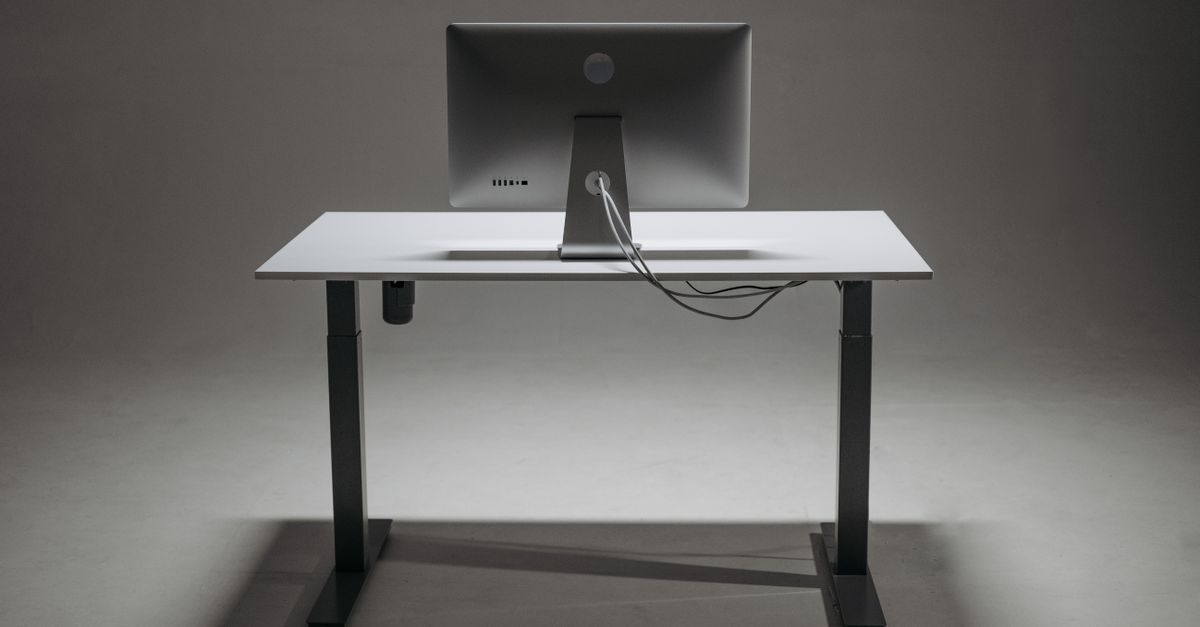
What is a workplace ergonomic assessment?
Ergonomics is the science of fitting work to the person. Long hours at poorly arranged workstations, or hunched over laptops in cafes, can contribute to neck pain, shoulder tension, low back pain, tennis elbow and wrist problems such as carpal tunnel symptoms. An ergonomic assessment (인체공학적 작업 환경 평가) looks at your actual work set-up and habits and gives specific, affordable changes. In Seomyeon, with its dense office buildings, study cafes and academies, such advice is often part of rehabilitation for desk-related pain.
Who is it for?
- Office and remote workers with neck, shoulder, back or wrist pain
- Students spending long hours studying or gaming
- People returning to work after injury or surgery
- Workers with repetitive tasks such as assembly, cashiering or hairdressing
What happens during the assessment
- Symptom review: where and when pain occurs during the workday.
- Work profile: hours, tasks, devices used and break patterns.
- Workstation analysis: photos, video or a simulated set-up showing your typical posture.
- Adjustments: chair height, lumbar support, screen at eye level and arm's length, keyboard and mouse close, feet supported.
- Laptop solutions: separate keyboard and mouse with a stand, or docking at home.
- Habits and exercises: micro-breaks, posture changes and short stretching or strengthening routines.
Treatment outlook
Ergonomic changes work best combined with regular movement and targeted exercise. Many people notice reduced discomfort within weeks. Research suggests that no single "perfect" posture exists; varying positions and taking regular breaks matter as much as the set-up itself.
Risks and limitations
There are no medical risks. Expensive equipment is not always necessary; simple, low-cost changes often help. If symptoms such as numbness, weakness or severe pain persist, a medical diagnosis is needed rather than ergonomic changes alone.
Choosing a provider in Seomyeon
- Ask whether a doctor will assess existing symptoms alongside the ergonomic review.
- Bring photos or a short video of your workstation from the side and front.
- Ask for written, prioritised recommendations you can show your employer.
- Ask about exercises specific to your symptoms.
- Check the cost, as stand-alone assessments are usually non-covered.
Local note
Many Seomyeon workers can fit an appointment around lunch or after work. The district is the junction of Busan Metro Lines 1 and 2.
Key facts
- For: office workers, students, remote workers, people with repetitive strain symptoms
- Looks at: chair, desk height, screen position, keyboard and mouse, laptop use, lighting, breaks
- Methods: interview, photos or video, simulated workstation, occasional on-site visit
- Session time: about 30–60 minutes
- Outputs: written recommendations and targeted exercises
- Common results: less neck, shoulder and wrist strain with consistent changes
- Coverage: usually non-covered as a stand-alone service
Frequently asked questions
What is the correct monitor height?
The top of the screen is usually at or slightly below eye level, about an arm's length away, so you can look straight ahead without tilting your head up or down.
Is working on a laptop bad for my neck?
Using a laptop for long periods often means looking down. A stand with a separate keyboard and mouse brings the screen up and reduces neck strain.
Do standing desks help?
Alternating between sitting and standing can reduce discomfort for some people. Standing all day is not ideal either; the key is changing position regularly.
Is an ergonomic assessment covered by insurance in Korea?
Stand-alone ergonomic assessments are usually non-covered. Medical consultations and treatment for related symptoms may be covered for enrolled patients.
How often should I take breaks at a desk?
Short micro-breaks every 30–60 minutes, standing, stretching or walking for a minute or two, help reduce stiffness and strain.
Medical disclaimer: Seomyeon.Clinic is an independent information directory. Content is for general education and does not replace a consultation with a licensed physician. Suitability, risks, results and costs vary by person and clinic. In an emergency in Korea, call 119.