
Carpal Tunnel Syndrome Treatment in Seomyeon, Busan
Carpal tunnel syndrome treatment relieves pressure on the median nerve at the wrist, which causes numbness and tingling in the thumb and first fingers. In Seomyeon, clinics usually confirm it with an exam, ultrasound or a nerve conduction study, then try night splints and injections. Carpal tunnel release surgery takes about 15–30 minutes under local anesthesia.
Independent patient guide · Medically informative, not a substitute for a doctor's advice · Last reviewed:
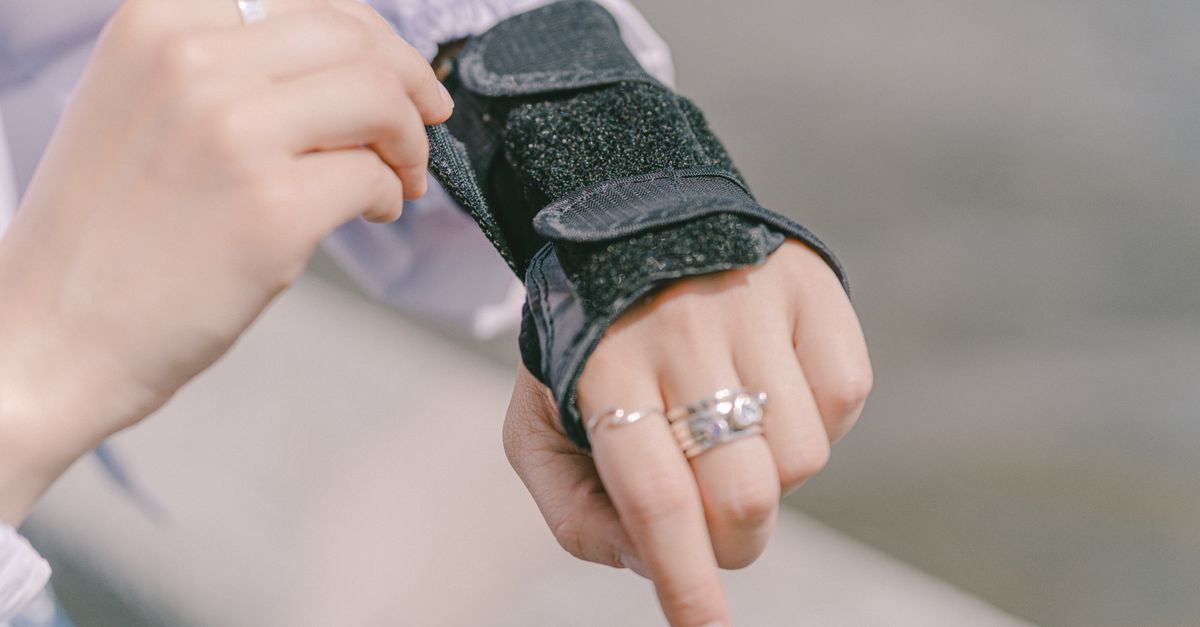
What is carpal tunnel syndrome?
The carpal tunnel is a narrow passage at the wrist formed by small bones and a tough ligament. The median nerve and finger tendons pass through it. When pressure rises inside the tunnel, the nerve is squeezed, causing numbness and pins and needles. Risk factors include repetitive wrist use, pregnancy, diabetes, hypothyroidism, rheumatoid arthritis and previous wrist fractures.
Symptoms and when to see a doctor
- Tingling or numbness in the thumb, index and middle fingers, often waking you at night
- Shaking the hand to "wake it up"
- Dropping objects or difficulty with buttons
- Wasting of the muscle at the base of the thumb in advanced cases
Persistent numbness or visible muscle wasting should be assessed promptly, because long-standing compression can cause permanent nerve damage.
What happens at the clinic
- Exam: sensation tests, thumb strength and provocative tests such as Phalen's and Tinel's.
- Nerve study: a nerve conduction study measures how well signals pass through the wrist and grades severity. It also helps rule out a pinched nerve in the neck.
- Ultrasound: can show a swollen nerve.
- Conservative care: a neutral-position night splint and, if needed, a guided steroid injection.
- Surgery: if symptoms are severe or persist, the ligament roofing the tunnel is divided to make room for the nerve.
Recovery and aftercare
After release surgery, you can usually move your fingers straight away. Night symptoms often improve quickly, while numbness can take weeks to months to recover, and may not fully resolve in severe long-standing cases. Pillar pain (soreness beside the scar) and reduced grip strength are common for a few months. Stitches are usually removed after about 10–14 days.
Risks and side effects
Surgery is common and generally safe. Risks include scar tenderness, infection, temporary or rarely permanent nerve irritation, complex regional pain syndrome and incomplete relief. Steroid injections may give temporary relief only.
Choosing a clinic for carpal tunnel treatment in Seomyeon
- Ask whether a nerve conduction study is done before surgery to confirm severity.
- Choose an orthopedic or hand surgeon who performs carpal tunnel release regularly.
- Ask whether they use open or endoscopic release, and why.
- If both hands are affected, ask whether they operate on one at a time.
- Check aftercare: dressing changes, stitch removal timing and exercise instructions in English.
Visitor tip
Release under local anesthesia is often a same-day procedure, but plan for the stitch check. Seomyeon clinics are a straightforward Line 1 trip from Busan Station.
Key facts
- Condition: median nerve compression at the wrist (수근관 증후군)
- Symptoms: tingling in thumb, index, middle fingers; night waking; clumsiness
- Tests: nerve conduction study / EMG, wrist ultrasound
- Non-surgical care: night wrist splint, activity changes, steroid injection
- Surgery: open or endoscopic carpal tunnel release, usually day surgery
- Anesthesia: commonly local anesthesia
- Return to light use: often within days; full grip strength over weeks to months
Frequently asked questions
Can carpal tunnel syndrome go away on its own?
Mild cases, including those in pregnancy, often improve with splints, activity changes or time. Moderate to severe cases with constant numbness or weakness usually need treatment to prevent lasting nerve damage.
How long does carpal tunnel surgery take?
The release itself usually takes about 15–30 minutes under local anesthesia. Most people go home the same day with a light dressing.
Does carpal tunnel surgery hurt?
The local anesthetic injection stings briefly. Afterward, expect soreness in the palm for days to weeks, managed with simple painkillers and keeping the hand raised.
Is carpal tunnel treatment covered by insurance in Korea?
Diagnosis, nerve studies and medically indicated release surgery are generally covered by National Health Insurance for enrolled patients, with co-payments. Self-pay visitors should request an estimate.
Open vs endoscopic carpal tunnel release: which is better?
Both have good long-term results. Endoscopic release may allow slightly quicker early return to activities with a smaller scar, while open release gives direct visibility. Surgeon experience matters most.
Medical disclaimer: Seomyeon.Clinic is an independent information directory. Content is for general education and does not replace a consultation with a licensed physician. Suitability, risks, results and costs vary by person and clinic. In an emergency in Korea, call 119.