
Cervical (Neck) Disc Treatment in Seomyeon, Busan
Cervical (neck) disc treatment addresses a bulging or herniated disc in the neck that causes neck pain and pain, numbness or weakness in the arm. In Seomyeon, spine clinics typically confirm it with a neurological exam and MRI, then use medication, physiotherapy and image-guided nerve blocks. Surgery such as ACDF or disc replacement is considered for persistent or worsening symptoms.
Independent patient guide · Medically informative, not a substitute for a doctor's advice · Last reviewed:
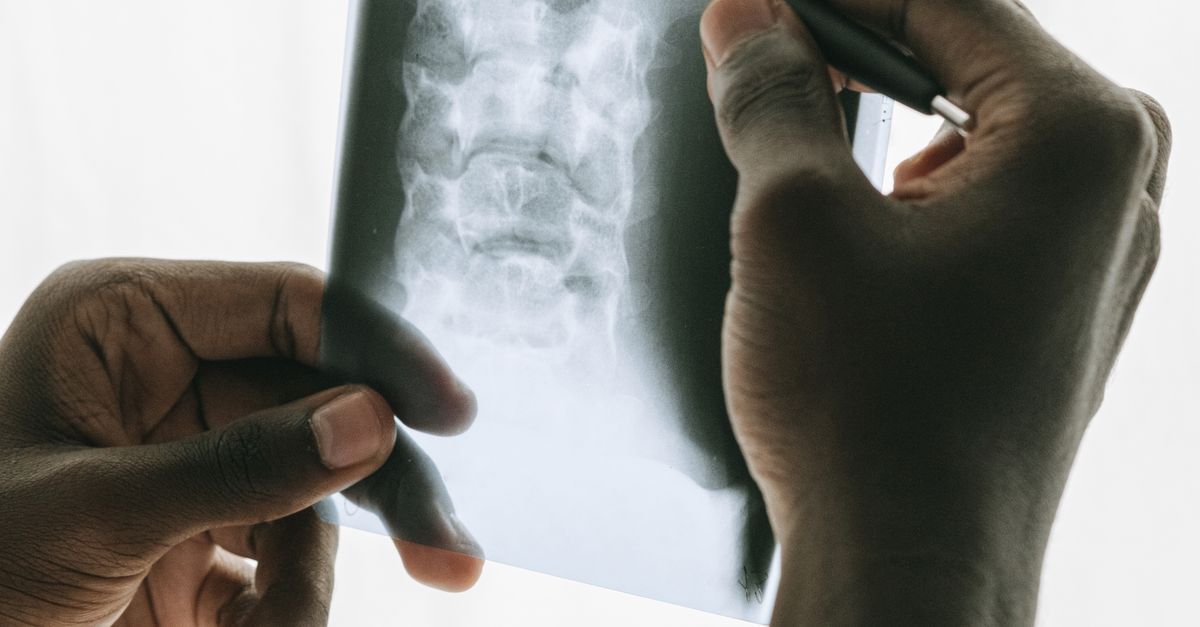
What is a cervical disc problem?
The neck (cervical spine) has seven vertebrae with discs between them. When a disc bulges or herniates, it can press on a nerve root, causing radiculopathy: pain, numbness or weakness that runs down the arm in a specific pattern. Less commonly, a large herniation presses on the spinal cord itself (myelopathy), which can cause hand clumsiness and balance problems. Long hours looking down at phones and screens, common among office workers and students, can contribute to neck strain, though disc degeneration with age is the main factor.
Symptoms and when to see a doctor
- Neck pain with pain radiating to the shoulder blade or arm
- Pins and needles in the thumb, index or other fingers
- Weak grip or difficulty lifting the arm
- Pain worse when tilting the head back or to the affected side
See a doctor promptly for difficulty with buttons or handwriting, dropping things, an unsteady walk, or bladder changes, which may mean spinal cord compression.
What happens at the clinic
- Exam: neck movement, reflexes, arm strength and sensation, and tests such as Spurling's.
- Imaging: X-ray for alignment and arthritis; MRI to see discs and nerves.
- Nerve conduction study: sometimes, to distinguish neck problems from carpal tunnel syndrome.
- Conservative care: medication, posture and workstation advice, and physiotherapy.
- Injection: a fluoroscopy- or ultrasound-guided nerve root block for severe arm pain.
Treatment outlook
Most people with cervical radiculopathy improve without surgery over weeks to months. Surgery is considered for persistent disabling arm pain, progressive weakness or myelopathy. Anterior cervical discectomy and fusion (ACDF) removes the disc and fuses the level; artificial disc replacement preserves motion in suitable patients; posterior foraminotomy can decompress a nerve without fusion.
Risks and side effects
Neck injections are generally safe in experienced hands but carry rare serious risks, so image guidance is important. Surgical risks include swallowing difficulty and hoarseness (usually temporary after anterior surgery), infection, nerve injury and adjacent-level problems over time.
Choosing a clinic for neck disc treatment in Seomyeon
- Choose a neurosurgeon or orthopedic spine specialist who reviews your MRI with you.
- Ask whether your symptoms suggest nerve root or spinal cord compression, as this changes urgency.
- Ask whether neck injections are done under fluoroscopy or ultrasound guidance.
- If surgery is discussed, ask about ACDF versus disc replacement for your case.
- Ask for practical posture and screen-use advice you can apply at work.
Local note
Many spine clinics around Seomyeon have on-site MRI, which saves extra trips. If you are arriving from Gimhae Airport, the light rail to Sasang connects with Line 2 to Seomyeon.
Key facts
- Condition: cervical disc herniation (목 디스크)
- Symptoms: neck pain, arm pain, tingling in fingers, grip weakness
- Diagnosis: neurological exam, cervical MRI; nerve tests if needed
- First-line: medication, posture changes, physiotherapy
- Injections: cervical nerve root block or epidural
- Surgery: ACDF, artificial disc replacement or posterior foraminotomy
- Red flags: clumsy hands, unsteady walking, bladder changes
Frequently asked questions
Can a neck disc herniation heal without surgery?
Yes, most cases improve over weeks to months with medication, physiotherapy and time. Surgery is mainly for persistent severe arm pain, progressive weakness or spinal cord compression.
Why do my fingers tingle with neck pain?
A compressed nerve root in the neck can cause tingling in a specific pattern of fingers. Carpal tunnel syndrome can mimic this, so an exam and sometimes nerve tests help tell them apart.
Are neck nerve block injections safe?
When done by experienced doctors with image guidance, they are generally safe. Rare but serious complications exist, so ask about the technique and the doctor's experience.
ACDF or artificial disc replacement: which is better?
Both relieve nerve compression. Disc replacement preserves movement and may suit younger patients with healthy facet joints; ACDF suits a wider range of problems. Your imaging and anatomy decide.
Is neck disc treatment covered by insurance in Korea?
Consultations, physiotherapy, many injections and medically necessary surgery are generally covered by National Health Insurance for enrolled patients. MRI and some devices are covered only when criteria are met.
Medical disclaimer: Seomyeon.Clinic is an independent information directory. Content is for general education and does not replace a consultation with a licensed physician. Suitability, risks, results and costs vary by person and clinic. In an emergency in Korea, call 119.