
Spine & Neurosurgery in Seomyeon, Busan
Spine and neurosurgery covers diagnosis and treatment of the spine, spinal nerves and brain, from back pain and herniated discs to headaches, dizziness and stroke risk. In Seomyeon, Busan, many spine clinics and spine hospitals offer same-day consultation, X-ray and often on-site MRI. Most patients are treated without surgery, using medication, physiotherapy and image-guided injections.
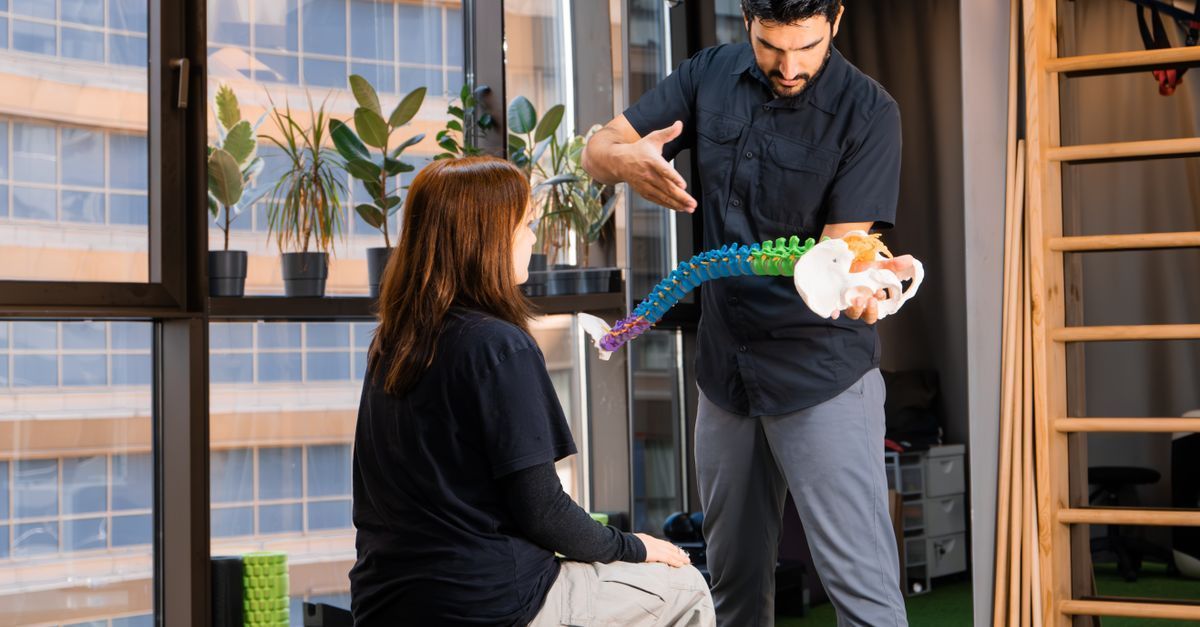
What does this specialty cover?
In Korea, spine care is provided by neurosurgeons (신경외과), orthopedic spine surgeons, and pain and rehabilitation specialists. Neurosurgeons also manage brain-related conditions such as headaches, dizziness, head injuries and stroke risk assessment, while neurologists (신경과) focus on medical treatment of nervous system disorders. Many clinics combine these services, which can make the system confusing at first.
Common reasons people visit in Seomyeon
- Lower back pain and sciatica, often from long sitting or lifting
- Neck pain, arm tingling and forward head posture among office workers and students
- Disc herniation and spinal stenosis in older adults
- Compression fractures related to osteoporosis
- Headaches, migraine and dizziness
- Brain MRI and MRA checks for stroke risk or aneurysm family history
How spine and neurosurgery clinics work in Korea
Small specialist clinics (의원) usually accept walk-in patients and can examine you, take X-rays and, in many cases, perform MRI on site. Spine hospitals (척추 전문 병원) add operating rooms and inpatient wards for endoscopic surgery, fusion and cement procedures. University hospitals handle complex cases and typically require a referral letter for NHI-rate care. Image-guided injections, such as epidurals and nerve blocks, are very common in Korean spine practice and are often offered on the day of consultation.
National Health Insurance covers consultations, X-rays, many medicines and injections, and medically necessary surgery for enrolled patients. MRI is covered only when specific criteria are met, and some procedures and therapies are non-covered. Ask for itemised costs before agreeing to treatment packages.
Tips for foreign patients
- Bring previous scans and reports; they can save time and repeated imaging.
- Ask for MRI images on CD or digitally, plus an English report.
- Seek emergency care (call 119) for bladder or bowel changes, sudden weakness, or stroke signs.
- Do not feel pressured to decide on surgery on the first visit; second opinions are normal.
How to choose a clinic
Look for board-certified specialists who examine you thoroughly, show you your own images and explain why a treatment is recommended. Good clinics start with conservative care unless there are urgent findings, use image guidance for injections, and are transparent about insurance coverage. For surgery, ask about the surgeon's experience with your specific procedure. Seomyeon's position at the junction of Metro Lines 1 and 2 makes follow-up visits straightforward.
Treatment guides
- Herniated Disc Treatment
- Cervical (Neck) Disc Treatment
- Spinal Stenosis Treatment
- Endoscopic Spine Surgery
- Spinal Fusion
- Non-Surgical Spine Treatment
- Epidural Steroid Injection
- Nerve Block Injection
- Radiofrequency Ablation
- Scoliosis Treatment
- Sciatica Treatment
- Vertebral Compression Fracture Treatment
- Kyphoplasty & Vertebroplasty
- Forward Head Posture (Text Neck) Treatment
- Lower Back Pain Treatment
- Spine MRI
- Migraine Treatment
- Dizziness & Vertigo Treatment
- Brain MRI & MRA
- Stroke Prevention Check-Up
Frequently asked questions
Should I see a neurosurgeon or an orthopedic doctor for back pain?
Both treat spine problems in Korea. Neurosurgeons and orthopedic spine surgeons offer similar non-surgical and surgical care. Choose a board-certified specialist with spine experience who examines you carefully.
Can I get an MRI on the same day in Seomyeon?
Many spine clinics and hospitals in the area have on-site MRI and can scan the same day if indicated. Ask whether your scan meets insurance criteria or will be self-pay.
Do most back problems need surgery?
No. Most back and neck problems improve with time, exercise, medication, physiotherapy and sometimes injections. Surgery is reserved for specific findings or persistent severe symptoms.
What should I bring to a spine clinic?
Bring your passport or ID, insurance details, a list of medicines, and any previous X-rays, MRI scans or reports. Wear comfortable clothing for the examination.
When is a headache or dizziness an emergency?
Call 119 for a sudden severe headache, or dizziness with weakness, facial droop, slurred speech, double vision or confusion. These can be signs of stroke or bleeding.
Medical disclaimer: Seomyeon.Clinic is an independent information directory. Content is for general education and does not replace a consultation with a licensed physician. In an emergency in Korea, call 119.