
Radiofrequency Ablation in Seomyeon, Busan
Radiofrequency ablation (RFA) uses heat from a needle-like probe to disable the small medial branch nerves that carry pain from arthritic facet joints in the spine. In Seomyeon, spine and pain clinics usually perform it after positive test blocks, under X-ray guidance, in about 30–60 minutes. Relief, if achieved, often lasts several months to a year or more.
Independent patient guide · Medically informative, not a substitute for a doctor's advice · Last reviewed:
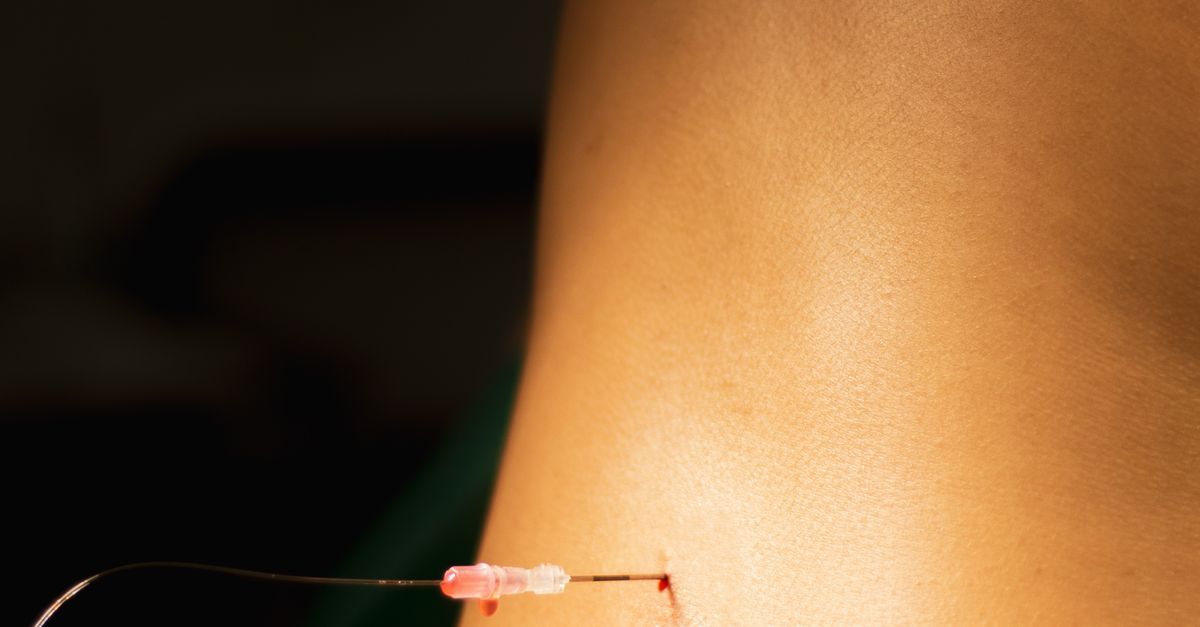
What is radiofrequency ablation?
Facet joints are small paired joints at the back of each spinal level. With age, they can develop arthritis and cause localised back or neck pain, often worse with leaning backward or twisting. Each facet joint is supplied by tiny nerves called medial branches. Radiofrequency ablation (고주파 열응고술) places an insulated needle next to these nerves and uses radiofrequency energy to heat and interrupt them, reducing pain signals without affecting the main nerves that control leg or arm muscles. A related technique, pulsed radiofrequency, uses lower temperatures and is sometimes used for nerve root pain.
Who is it for?
- Chronic back or neck pain (typically months) with features of facet joint pain
- Clear but temporary relief from diagnostic medial branch blocks
- People in whom exercise, medication and other conservative care have not been enough
It is not designed for sciatica caused by a disc herniation, which needs different treatment.
What happens at the clinic
- Diagnosis: examination and imaging, then one or more test blocks with local anesthetic.
- Decision: if pain falls substantially during the test block window, RFA is considered.
- Procedure: under fluoroscopy, probes are placed beside the target nerves; a sensory and motor test checks the position.
- Ablation: each nerve is heated for a short period after local anesthetic is given.
- Recovery: brief observation before going home the same day.
Treatment outlook
Pain may worsen for a few days before improving, and full effect can take a few weeks. Studies show meaningful relief for many carefully selected patients, though results vary. Because the nerves gradually regenerate, pain can return after months; repeat ablation is often possible. Combining RFA with exercise therapy helps maintain the benefit.
Risks and side effects
Common effects include soreness at the site and temporary burning or sensitivity of the skin. Less common risks are infection, bleeding and, rarely, nerve injury. People with pacemakers or certain implants need special precautions, so tell your doctor.
Choosing a clinic for radiofrequency ablation in Seomyeon
- Ask whether diagnostic medial branch blocks will be done first and what level of relief they require.
- Confirm the procedure uses fluoroscopic guidance and sensory and motor testing.
- Ask whether they use conventional, cooled or pulsed radiofrequency, and why.
- Ask how long relief typically lasts in their experience and the plan if pain returns.
- Ask for clear information on insurance coverage before booking.
For visitors
Because test blocks come first, RFA may need more than one visit. If you are staying in Busan, choose accommodation along Metro Line 1 or 2 for easy access to Seomyeon.
Key facts
- Treats: chronic facet joint back or neck pain; some sacroiliac and knee pain
- Prerequisite: usually one or two positive medial branch test blocks
- Procedure time: about 30–60 minutes
- Anesthesia: local, sometimes with light sedation
- Downtime: soreness for days to a couple of weeks
- Relief: often months to a year or more; nerves can regrow
- Repeatable: yes, if the first procedure helped
Frequently asked questions
How long does radiofrequency ablation last?
When effective, relief often lasts from several months to a year or more. The treated nerves can regrow, and the procedure can usually be repeated if it helped before.
Is radiofrequency ablation painful?
Local anesthetic is used, so most people feel pressure and brief discomfort during testing. Soreness and a sunburn-like sensation for days afterward are common.
Why do I need test blocks before RFA?
Test blocks confirm that the facet joints are the pain source. Without them, RFA is less likely to work, because many structures can cause similar back pain.
Is radiofrequency ablation covered by insurance in Korea?
Coverage depends on the indication and criteria. Some RFA procedures for spinal pain are covered for enrolled patients, while others are non-covered. Ask the clinic for a clear answer before booking.
RFA vs steroid injection: which lasts longer?
For confirmed facet joint pain, RFA often provides longer relief than a facet steroid injection. Steroid injections may suit shorter-term flare-ups or when RFA is not appropriate.
Medical disclaimer: Seomyeon.Clinic is an independent information directory. Content is for general education and does not replace a consultation with a licensed physician. Suitability, risks, results and costs vary by person and clinic. In an emergency in Korea, call 119.