
Lower Back Pain Treatment in Seomyeon, Busan
Lower back pain treatment aims to relieve pain in the lumbar region and restore normal movement, whether the cause is muscle strain, disc problems or joint wear. In Seomyeon, spine clinics usually start with a history and exam, use imaging only when needed, and recommend staying active with medication and physiotherapy. Most acute episodes improve within a few weeks.
Independent patient guide · Medically informative, not a substitute for a doctor's advice · Last reviewed:
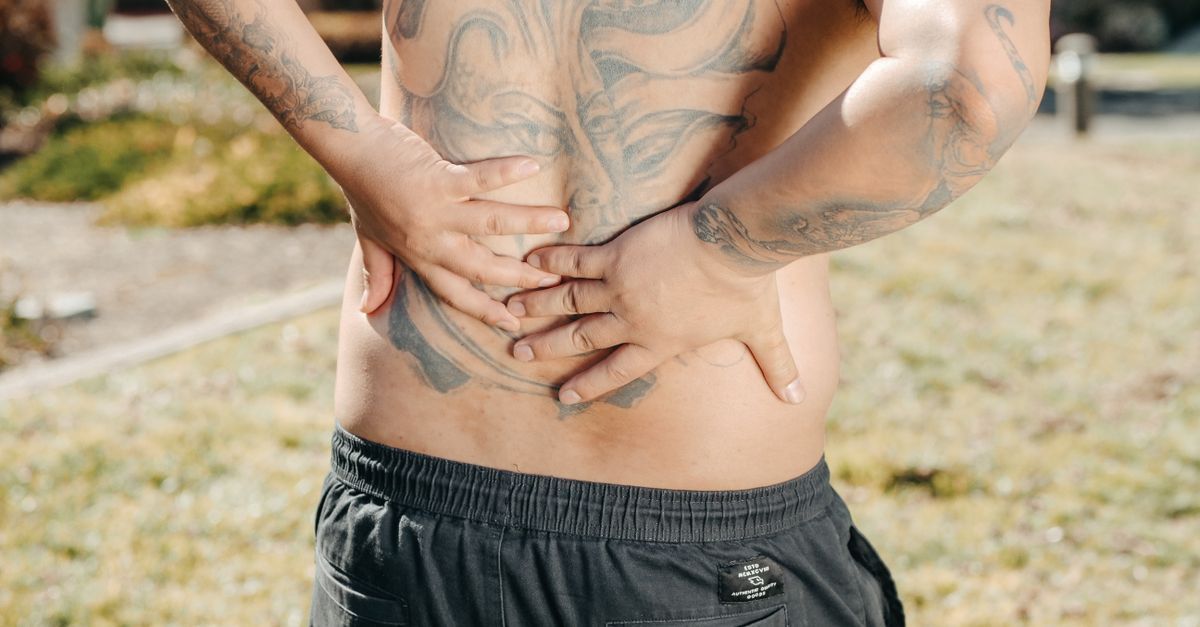
What causes lower back pain?
Lower back pain (요통) is one of the most common reasons for visiting a doctor worldwide. Most cases are "non-specific", meaning no single structural cause can be confirmed, and they are often linked to strain, prolonged sitting, lifting or deconditioning. Specific causes include disc herniation (often with leg pain), facet joint arthritis, spinal stenosis, spondylolisthesis, compression fractures and, rarely, infection, inflammatory arthritis or tumours.
Symptoms and when to see a doctor
- Aching or sharp pain across the lower back
- Stiffness, especially in the morning or after sitting
- Muscle spasm making it hard to stand straight
- Pain spreading to the buttock or leg
Seek urgent care for numbness around the groin, new bladder or bowel problems, progressive leg weakness, fever, a history of cancer, unexplained weight loss, or pain after a significant fall. Young adults with long-lasting morning stiffness that improves with exercise should be checked for inflammatory back pain.
What happens at the clinic
- History: onset, pain pattern, work, activity and red-flag screening.
- Examination: movement, tenderness and a neurological check of the legs.
- Imaging if indicated: X-ray for older patients or trauma; MRI for nerve symptoms or red flags.
- Plan: pain relief, advice to keep moving, and a physiotherapy or home exercise program.
- Follow-up: review after a few weeks; injections or specialist procedures if pain persists.
Treatment outlook
Most acute back pain improves within weeks, although recurrences are common. Exercise therapy, general activity and returning to normal routines have the strongest evidence. Heat, manual therapy and acupuncture may provide short-term relief for some. Chronic back pain (over three months) benefits from a broader approach that includes graded activity, sleep, stress management and sometimes psychological support. Surgery is helpful only for specific structural problems.
Risks and side effects
Long-term use of painkillers carries risks, including stomach and kidney effects and dependence with stronger medicines. Early routine MRI without clear indication can reveal age-related findings that cause worry but do not change treatment.
Choosing a clinic for lower back pain in Seomyeon
- Look for a clinic that screens for red flags and explains when imaging is or is not needed.
- Ask for a clear diagnosis and what it means for activity and work.
- Prefer plans with active exercise rather than only passive treatments.
- Ask which treatments are covered by insurance and which are optional extras.
- Ask when they would refer you to a surgeon or pain specialist.
Visitor tip
Back pain can flare after long flights or bus journeys. Walk regularly and avoid heavy luggage lifting. Many spine clinics cluster around Seomyeon, the Line 1 and 2 interchange, and see walk-in patients.
Key facts
- Common causes: muscle or ligament strain, disc degeneration, facet joint pain, disc herniation
- Acute pain: usually improves within 2–6 weeks
- Imaging: not routinely needed early unless red flags or nerve symptoms
- Core treatment: staying active, exercise therapy, education
- Medicines: short-term anti-inflammatories or muscle relaxants
- Procedures: injections for selected persistent cases
- Red flags: bladder or bowel changes, fever, weight loss, major trauma
Frequently asked questions
How long does lower back pain usually last?
Most acute episodes improve significantly within 2–6 weeks. If pain lasts more than about 12 weeks it is considered chronic and benefits from a structured, multi-part plan.
Do I need an MRI for lower back pain?
Usually not in the first weeks. MRI is recommended for red flags, significant leg nerve symptoms, or pain that persists despite treatment when the result would change management.
Should I rest or exercise with back pain?
Staying active within comfort is generally better than bed rest. Gentle walking and gradual return to normal activities help recovery; a physiotherapist can guide specific exercises.
Is heat or ice better for lower back pain?
Heat often eases muscle-related back pain and stiffness. Some people prefer ice in the first day or two. Use whichever gives comfort while staying active.
Is back pain treatment covered by insurance in Korea?
Consultations, X-rays, medication, standard physiotherapy and many injections are generally covered by National Health Insurance for enrolled patients. MRI and some therapies depend on criteria or are non-covered.
Medical disclaimer: Seomyeon.Clinic is an independent information directory. Content is for general education and does not replace a consultation with a licensed physician. Suitability, risks, results and costs vary by person and clinic. In an emergency in Korea, call 119.