
Physical Therapy in Seomyeon, Busan
Physical therapy (physiotherapy) uses exercise, hands-on techniques and physical modalities such as heat and electrical stimulation to reduce pain and restore movement and strength. In Seomyeon, it is usually prescribed by a rehabilitation, orthopedic or pain doctor and delivered by licensed therapists in the same clinic, with sessions of roughly 20–60 minutes, often several times a week.
Independent patient guide · Medically informative, not a substitute for a doctor's advice · Last reviewed:
What is physical therapy?
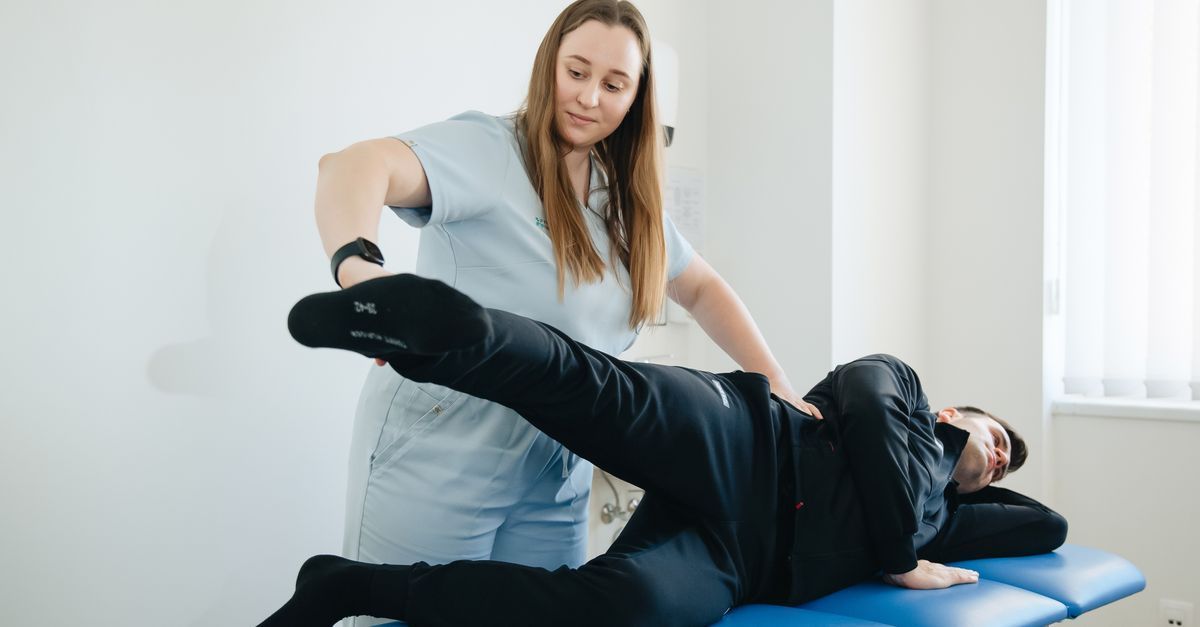
Physical therapy (물리치료) helps people recover movement and function after injury, surgery or illness, and manage long-term conditions. In Korea, licensed physical therapists (물리치료사) work under a doctor's prescription, usually within rehabilitation medicine (재활의학과), orthopedic, pain or neurosurgery clinics. Many clinics have a large therapy room with heat packs, electrical stimulation, traction tables and exercise equipment, plus private rooms for one-to-one sessions.
Who is it for?
- Neck, back, shoulder and knee pain
- Sports injuries and sprains
- Recovery after fractures or orthopedic surgery
- Stroke and other neurological conditions
- Older adults with balance problems or deconditioning
What happens at the clinic
- Doctor's consultation: diagnosis, imaging if needed, and a therapy prescription.
- Therapist assessment: posture, movement, strength and functional goals.
- Session: often begins with heat or electrical stimulation for comfort, followed by exercises and hands-on techniques.
- Home program: specific exercises to practise between visits.
- Review: the doctor checks progress and adjusts the plan.
Treatment outlook
Active exercise is the part of physical therapy with the strongest evidence for lasting benefit. Passive modalities such as hot packs, TENS and therapeutic ultrasound can ease pain in the short term but should not be the whole plan. Most people with musculoskeletal problems notice improvement within a few weeks of consistent therapy and home exercise.
Risks and side effects
Physical therapy is generally safe. Muscle soreness after new exercises is common. Heat therapy can rarely cause burns if sensation is reduced, so tell staff about numbness, diabetes or circulation problems. Let your therapist know about pacemakers before electrical treatments.
Choosing a clinic for physical therapy in Seomyeon
- Ask whether you will receive individual exercise therapy, not just machines.
- Ask which parts of the session are covered and which are optional non-covered items.
- Ask how goals will be measured, such as range of motion, strength or walking distance.
- Check session times; many clinics offer early evening slots.
- Ask whether the therapist can explain exercises in English or provide pictures.
Local note
Because therapy is repeated over weeks, convenience matters. Seomyeon's metro hub on Lines 1 and 2 makes it practical for people living or working across Busan.
Key facts
- Treats: back and neck pain, joint and sports injuries, post-surgery stiffness, neurological conditions
- Access in Korea: typically via a doctor's prescription at a clinic or hospital
- Components: exercise therapy, manual therapy, heat, TENS, ultrasound, traction
- Session length: about 20–60 minutes
- Frequency: often 2–3 times a week for several weeks
- Covered: basic modalities and some exercise therapy under NHI for enrolled patients
- Often non-covered: one-to-one manual therapy and specialised programs
Frequently asked questions
Do I need a doctor's referral for physical therapy in Korea?
Physical therapy in Korean medical clinics is generally provided under a doctor's prescription, so you usually see a doctor first at the same clinic before therapy begins.
How many physical therapy sessions will I need?
It depends on the condition. Many musculoskeletal problems need a few weeks of sessions, often 2–3 times a week, plus daily home exercises.
What does a typical session include?
Often heat or electrical stimulation for comfort, followed by exercises, stretching and sometimes manual therapy. Good programs emphasise active exercise and a home plan.
Is physical therapy covered by insurance in Korea?
Basic physical therapy is generally covered by National Health Insurance for enrolled patients. One-to-one manual therapy and specialised programs are often non-covered.
Can I do physical therapy on a short trip to Busan?
Yes, a few sessions can help with an acute problem and give you a home program. Ask for written exercises so you can continue at home.
Medical disclaimer: Seomyeon.Clinic is an independent information directory. Content is for general education and does not replace a consultation with a licensed physician. Suitability, risks, results and costs vary by person and clinic. In an emergency in Korea, call 119.