
Sports Injury Treatment in Seomyeon, Busan
Sports injury treatment covers diagnosis and care of injuries to muscles, tendons, ligaments, joints and bones from exercise or sport. In Seomyeon, orthopedic and sports medicine clinics usually assess you with examination, X-ray and in-room ultrasound on the first visit, then build a plan of protection, rehab exercises and graded return to play. Serious injuries are referred for MRI or surgery.
Independent patient guide · Medically informative, not a substitute for a doctor's advice · Last reviewed:
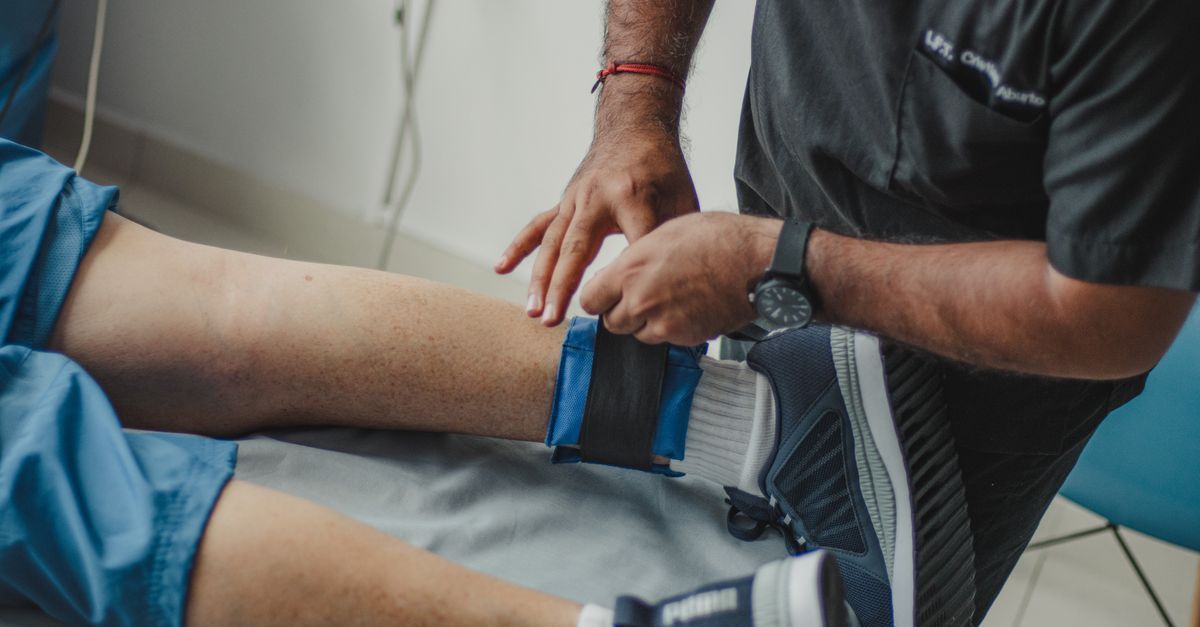
What is a sports injury clinic?
A sports injury clinic focuses on musculoskeletal injuries from training, competition and recreational activity. In Korea, this care is usually provided by orthopedic surgeons (정형외과) and rehabilitation medicine doctors (재활의학과), often with physiotherapists on site. Busan has active running, hiking, football, baseball, golf and water-sports communities, and Seomyeon clinics see a broad mix of acute and overuse injuries.
Who is it for?
- Acute injuries: sprains, strains, dislocations, suspected fractures
- Overuse injuries: runner's knee, shin splints, Achilles and patellar tendinopathy, tennis or golfer's elbow
- Recurring problems that keep interrupting training
- Athletes wanting a structured return-to-sport plan after injury or surgery
Go to an emergency department (or call 119) for head injuries with confusion, neck injuries, open fractures or severe deformity.
What happens at the clinic
- Injury history: how it happened, sport, training load and previous injuries.
- Examination: stability, strength and specific tests for the injured area.
- Imaging: X-ray for bone injury; ultrasound in the room for muscles, tendons and ligaments; MRI for suspected internal knee, shoulder or complex injuries.
- Diagnosis and grading: what is injured and how severely.
- Plan: protection, pain control, a staged rehab program and, if needed, referral for surgery.
Treatment outlook
Most sports injuries heal without surgery when loaded progressively. Total rest is rarely ideal: tissues recover better with controlled activity. Rehab moves from pain control and mobility to strength, power and sport-specific drills. Returning too soon is a leading cause of re-injury, so good clinics use objective criteria such as strength comparisons, hop tests or running progressions.
Risks and side effects
Misdiagnosed injuries, such as a scaphoid fracture or ACL tear labelled a sprain, can cause long-term problems. Repeated steroid injections into tendons can weaken them. Over-reliance on passive treatments without exercise often leads to recurrence.
Choosing a sports injury clinic in Seomyeon
- Look for in-clinic ultrasound and X-ray so you get answers on day one.
- Ask whether physiotherapists design individual exercise programs rather than only machines.
- Ask how they decide when you can return to your sport.
- Check that they can refer quickly for MRI or surgery if needed.
- If you train in English, ask whether instructions can be given in English.
Tip for visitors
Injured while hiking or running in Busan? Many clinics near Seomyeon Station accept walk-ins on weekdays and some on Saturday mornings. From Busan Station, it is a direct trip on Line 1.
Key facts
- Common injuries: ankle sprains, knee ligament and meniscus injuries, muscle strains, tendinopathy, shoulder dislocations
- First visit: exam, X-ray, often ultrasound; MRI if needed
- Early care: protect, unload briefly, then gradual loading
- Main treatment: progressive rehab and strength training
- Adjuncts: taping, bracing, shockwave, injections in selected cases
- Return to sport: based on function and testing, not time alone
- Red flags: deformity, inability to bear weight, joint locking, numbness
Frequently asked questions
Should I see an orthopedic doctor or a physiotherapist for a sports injury?
In Korea, physiotherapy is usually accessed through a doctor's clinic. Start with an orthopedic or rehabilitation medicine doctor, who can diagnose, order imaging and prescribe physiotherapy.
Do I need an MRI for a sports injury?
Not always. Many injuries are diagnosed with examination, X-ray and ultrasound. MRI is useful for suspected knee ligament or meniscus tears, shoulder labral injuries and unexplained persistent pain.
Should I use ice after a sports injury?
Ice can relieve pain in the first days. Current advice emphasises protecting the area briefly, then returning to gentle movement and loading rather than prolonged rest and icing.
How do I know when I can return to sport?
When you have near-full strength and movement compared with the uninjured side, and can perform sport-specific tasks without pain. A clinician can test this objectively.
Are sports injury treatments covered by insurance in Korea?
Consultations, X-rays and much physiotherapy are generally covered by National Health Insurance for enrolled patients. Ultrasound, MRI and some therapies may be partly or fully non-covered depending on criteria.
Medical disclaimer: Seomyeon.Clinic is an independent information directory. Content is for general education and does not replace a consultation with a licensed physician. Suitability, risks, results and costs vary by person and clinic. In an emergency in Korea, call 119.