
Ankle Sprain Treatment in Seomyeon, Busan
Ankle sprain treatment helps torn or stretched ankle ligaments heal and restores stable, pain-free walking. In Seomyeon, orthopedic clinics typically examine the ankle, X-ray it if a fracture is possible, and may use ultrasound to grade ligament damage. Care usually means a brace or splint, early protected walking and balance exercises. Mild sprains often recover in 1–3 weeks.
Independent patient guide · Medically informative, not a substitute for a doctor's advice · Last reviewed:
What is an ankle sprain?
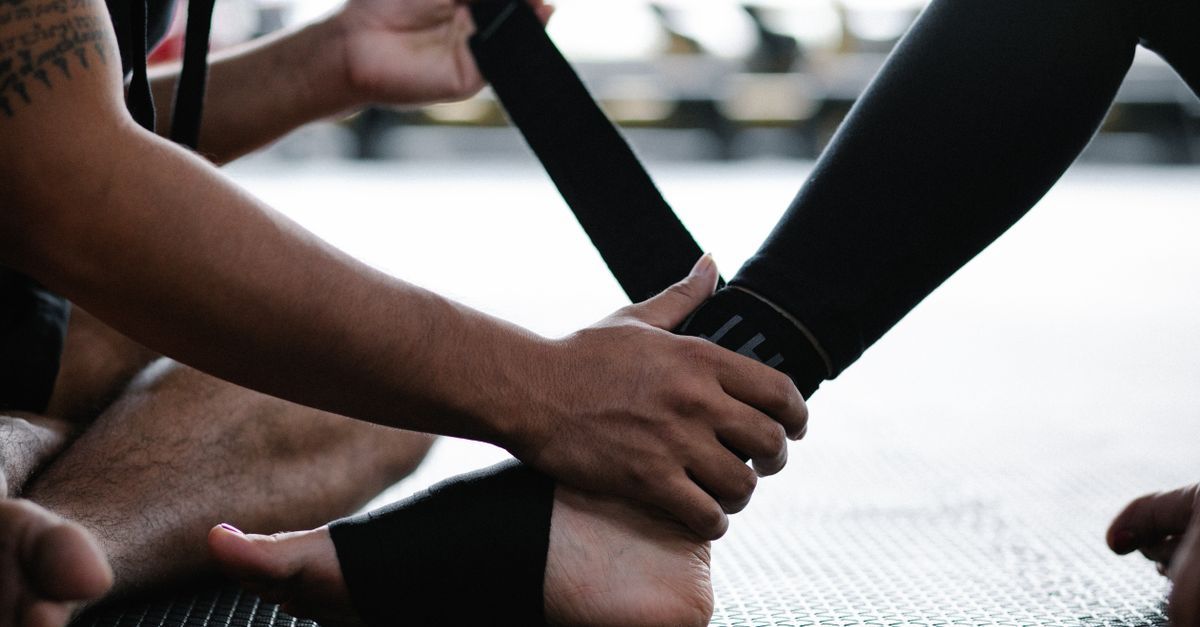
An ankle sprain (발목 염좌) is an injury to the ligaments that hold the ankle bones together, most often when the foot rolls inward on a kerb, stairs or uneven ground. Seomyeon's busy streets, stairs at metro exits and nightlife mean twisted ankles are a common reason visitors look for an orthopedic clinic. Most sprains heal well with early, active treatment, but poorly rehabilitated sprains can leave a weak, "giving way" ankle.
Symptoms and when to see a doctor
- Pain, swelling and bruising on the outside of the ankle
- Difficulty putting weight on the foot
- A pop at the time of injury
Get an exam and X-ray if you cannot take four steps, if there is tenderness over the ankle bones or the base of the fifth metatarsal on the outer foot, or if the foot looks deformed or feels numb. A high ankle sprain or fracture needs different treatment.
What happens at the clinic
- Exam: the doctor checks bone tenderness, ligament stability and nerves.
- X-ray: to rule out fracture when indicated.
- Ultrasound: often used in Korean clinics to see the torn ligament directly.
- Support: compression, a brace, or a short-term splint or boot for severe sprains.
- Plan: pain relief, ice and elevation for the first days, then guided exercises.
Recovery and aftercare
Early weight-bearing as comfort allows generally gives better results than long immobilisation. After the first days, focus shifts to restoring range of motion, calf and peroneal strength, and balance (for example, standing on one leg). Return to running and sport is guided by function, not just time. Many people keep wearing a brace for sport for several months.
Risks and side effects
Untreated or under-rehabilitated sprains can lead to chronic ankle instability, ongoing pain or cartilage injury. Prolonged casting can cause stiffness and calf weakness. Persistent pain beyond 6 weeks warrants re-assessment for missed injuries such as cartilage or tendon damage.
Choosing a clinic for ankle sprain treatment in Seomyeon
- Choose a clinic with on-site X-ray and ultrasound so diagnosis is done in one visit.
- Ask what grade your sprain is and what that means for return to walking and sport.
- Ask for a brace suited to your shoe and activity, rather than a default cast.
- Check whether physiotherapy or a home balance program is included.
- If you are travelling, ask for a written summary and X-ray copies to take home.
For travellers
If you sprain an ankle while sightseeing, many orthopedic clinics around the station accept walk-in patients. Seomyeon is the meeting point of Metro Lines 1 and 2; consider a taxi if walking is painful.
Key facts
- Treats: ligament sprains, most often the outer ankle (ATFL)
- Grades: I (stretch), II (partial tear), III (complete tear)
- Tests: exam, X-ray if fracture suspected, ultrasound or MRI if severe
- Support: elastic bandage, lace-up brace or walking boot depending on severity
- Recovery: about 1–3 weeks for mild; 6–12 weeks for severe
- Rehab: balance and strengthening to prevent re-sprain
- Surgery: rarely needed; for chronic instability or associated injuries
Frequently asked questions
Do I need an X-ray for a sprained ankle?
Not always. An X-ray is recommended if you cannot bear weight for four steps or if specific ankle or foot bones are tender. A doctor's exam decides this quickly.
How long does a sprained ankle take to heal?
Mild sprains often feel better within 1–3 weeks. Moderate and severe sprains can take 6–12 weeks, and full ligament strength takes longer, so continue balance exercises.
Should I use ice or heat on a sprained ankle?
Ice, compression and elevation are commonly used in the first few days to ease pain and swelling. Gentle movement and walking as tolerated are encouraged early.
Can I walk around Busan with a sprained ankle?
With a mild sprain and a good brace, short walks are usually fine. If walking is very painful, get assessed first, and use taxis or the metro rather than long walks.
When does an ankle sprain need surgery?
Rarely. Surgery is considered for repeated giving way despite good rehab, associated fractures, tendon injuries or significant cartilage damage.
Medical disclaimer: Seomyeon.Clinic is an independent information directory. Content is for general education and does not replace a consultation with a licensed physician. Suitability, risks, results and costs vary by person and clinic. In an emergency in Korea, call 119.