
Kinesio Taping in Seomyeon, Busan
Kinesio taping applies a thin, stretchy cotton tape to the skin over muscles and joints to provide light support, influence movement awareness and possibly ease pain or swelling. In Seomyeon, rehabilitation and sports clinics typically apply it in a few minutes after assessment, and the tape usually stays on for 2–5 days. Evidence for its effects is mixed.
Independent patient guide · Medically informative, not a substitute for a doctor's advice · Last reviewed:
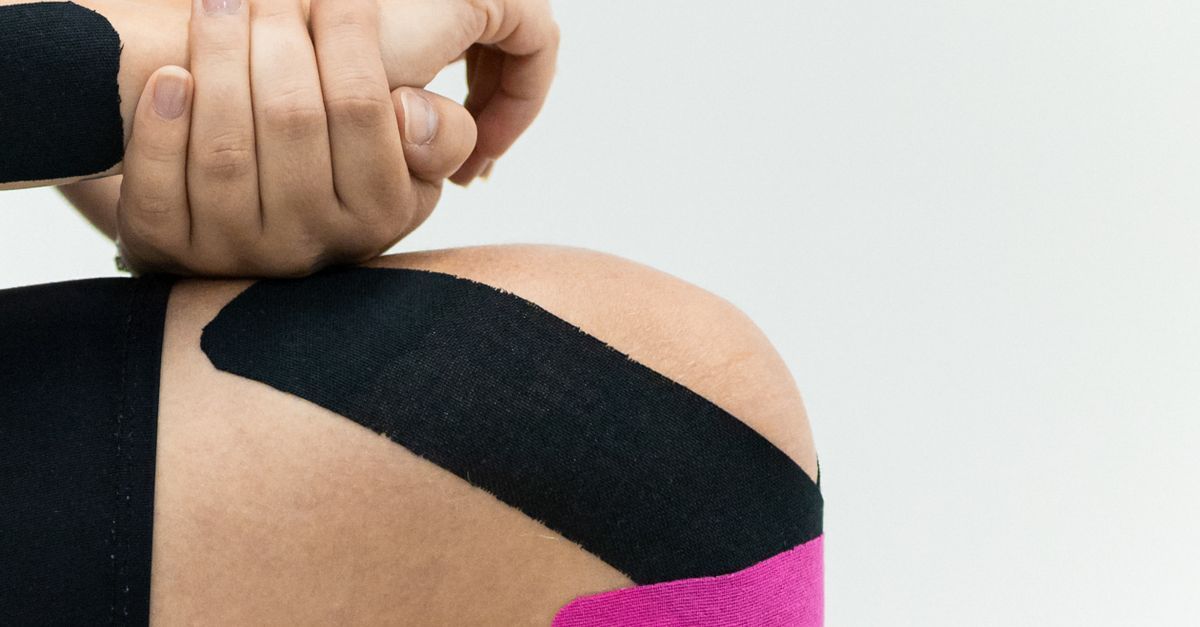
What is kinesio taping?
Kinesiology tape (키네시오 테이핑) is an elastic tape designed to stretch with the skin. Unlike rigid athletic tape, it allows movement while providing a light pull. Proposed mechanisms include stimulating skin receptors to improve awareness of joint position, slightly lifting the skin to aid lymphatic flow, and offering gentle mechanical support. You may see it on athletes in colourful strips; it is also widely used in Korean rehabilitation and sports clinics.
Who is it for?
- Athletes returning to sport after minor sprains or strains
- Knee pain around the kneecap during activity
- Shoulder pain or posture cueing for rounded shoulders
- Mild swelling after injury, alongside other care
- Pregnancy-related back discomfort, applied by a trained clinician
It should not be used on broken skin, active skin infections, areas of reduced sensation, or by people with a known allergy to adhesive.
What happens at the clinic
- Assessment: diagnosis and goals, such as support, posture feedback or swelling.
- Skin preparation: skin is cleaned and dried; hair may be trimmed.
- Application: strips are cut and applied with specific stretch and direction.
- Activation: rubbing the tape helps the adhesive bond.
- Instructions: how long to wear it and how to remove it safely.
Treatment outlook
Some people report reduced pain and more confidence moving with tape on. Research shows small, short-term benefits in some conditions but often no clear advantage over sham taping or other treatments. Taping is best used as a temporary support while you work on strength and movement through exercise.
Risks and side effects
Skin irritation, itching or blisters can occur, especially with prolonged wear or if applied with too much stretch. Remove the tape if the skin becomes itchy, red or painful. Peel slowly in the direction of hair growth, ideally after softening with oil or water.
Choosing a clinic for kinesio taping in Seomyeon
- Ask what the taping is meant to achieve for your condition.
- Ensure it is part of a broader rehab plan.
- Ask to be shown how to apply simple taping yourself if useful.
- Mention any skin sensitivities or allergies beforehand.
- Ask about the cost, as taping is often charged separately.
For travellers
Taping can help you get through a busy trip with a minor injury. Clinics around Seomyeon Station on Lines 1 and 2 can apply it in a short visit.
Key facts
- Material: elastic cotton tape with acrylic adhesive
- Used for: sports injuries, knee and shoulder pain, posture support, swelling
- Application time: about 5–15 minutes
- Wear time: commonly 2–5 days
- Water: usually tolerates showers; pat dry
- Avoid: broken or fragile skin, known adhesive allergy
- Evidence: small short-term benefits in some studies; not a stand-alone treatment
Frequently asked questions
Does kinesio tape actually work?
Some people feel less pain and better support, but research shows mixed results. It may provide small short-term benefits and works best combined with exercise.
How long can I keep kinesio tape on?
Usually 2–5 days. Remove it sooner if the skin becomes itchy, red or painful, or if it starts peeling off.
Can I shower with kinesio tape?
Yes, most kinesio tape tolerates showers. Pat it dry gently rather than rubbing, and avoid using a hair dryer on high heat.
Is kinesio taping covered by insurance in Korea?
Taping is commonly charged as a non-covered item in clinics. Ask about the cost before application.
Kinesio tape vs athletic tape: what is the difference?
Kinesio tape is elastic and allows movement, used for support and feedback. Rigid athletic tape restricts movement and is used to stabilise joints, for example in sports.
Medical disclaimer: Seomyeon.Clinic is an independent information directory. Content is for general education and does not replace a consultation with a licensed physician. Suitability, risks, results and costs vary by person and clinic. In an emergency in Korea, call 119.