
Lymphedema Therapy in Seomyeon, Busan
Lymphedema therapy manages chronic swelling caused by impaired lymphatic drainage, most often in an arm or leg after cancer surgery or radiotherapy. In Busan, rehabilitation clinics and hospitals usually provide complete decongestive therapy: manual lymphatic drainage, multilayer compression bandaging, exercise and skin care, followed by fitted compression garments. Intensive phases often run daily or several times a week for a few weeks.
Independent patient guide · Medically informative, not a substitute for a doctor's advice · Last reviewed:
What is lymphedema?
The lymphatic system drains fluid from tissues back into the bloodstream. When lymph nodes are removed or damaged, as after breast cancer surgery with lymph node dissection or after radiotherapy, fluid can build up and cause swelling. This is secondary lymphedema; primary lymphedema is less common and present from birth or developing without obvious cause. Lymphedema can feel heavy and tight, limit movement and increase the risk of skin infections. It is usually long-term but can be well managed.
Symptoms and when to see a doctor
- Swelling of an arm, hand, leg or foot that may come and go at first
- Feeling of heaviness, tightness or aching
- Rings, watches or shoes feeling tighter
- Skin thickening over time
See a doctor promptly for new swelling after cancer treatment, as other causes such as blood clots or cancer recurrence must be excluded. Redness, warmth and fever suggest cellulitis, which needs urgent antibiotics.
What happens at the clinic
- Medical assessment: history, examination and tests to exclude other causes of swelling.
- Measurement: limb circumference or volume to track progress.
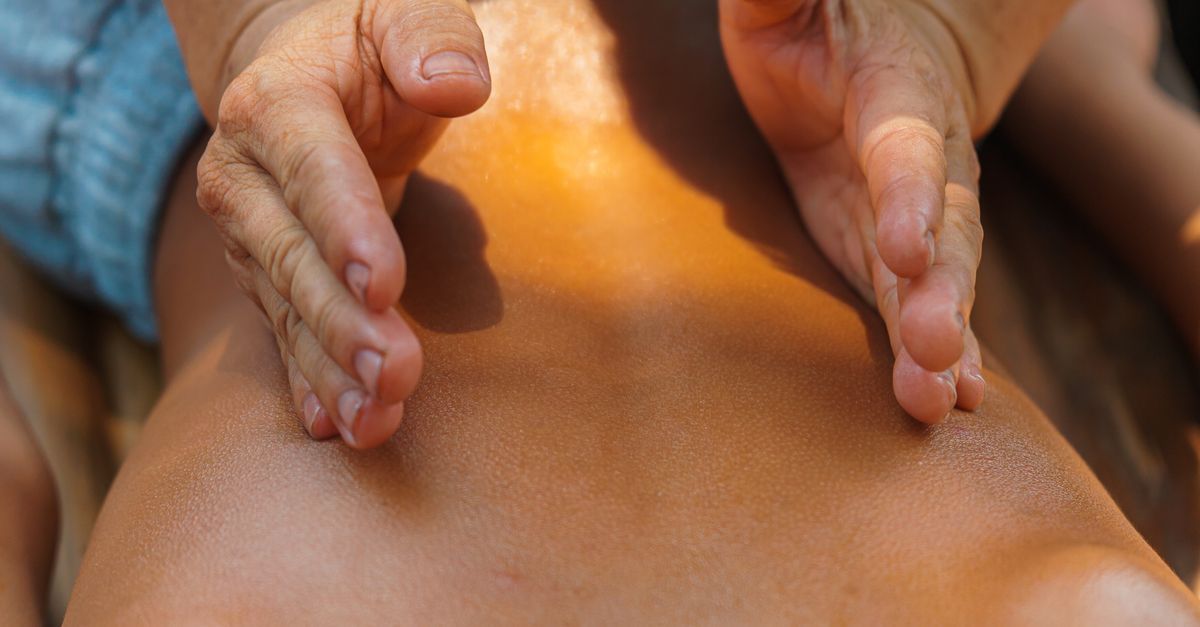
- Manual lymphatic drainage: gentle, specialised skin-stretching massage that encourages fluid to move toward working lymph pathways.
- Compression bandaging: multilayer bandages to reduce and maintain limb size during the intensive phase.
- Exercise: gentle movements performed while wearing compression to aid drainage.
- Garment fitting: once swelling is reduced, made-to-measure or ready-made compression garments.
Treatment outlook
Complete decongestive therapy can substantially reduce swelling and symptoms. Long-term success depends on daily self-care: wearing compression garments, exercising, caring for the skin and recognising infection early. For selected patients, surgical options such as lymphovenous anastomosis or lymph node transfer may be offered at specialised hospitals.
Risks and considerations
Compression must be fitted correctly; too-tight bandaging can harm circulation or skin. Compression may be unsuitable with certain arterial or heart conditions. Skin cuts and insect bites on the affected limb should be cleaned and watched carefully.
Choosing a clinic for lymphedema therapy in Busan
- Ask whether therapists are trained in complete decongestive therapy.
- Ask how the limb will be measured and progress tracked.
- Ask about garment fitting and how often garments should be replaced.
- Ask how to reach the clinic if signs of infection appear.
- Check insurance coverage for therapy and garments.
Local note
Intensive phases involve frequent visits, so location matters. Seomyeon is centrally located on Lines 1 and 2, convenient for patients travelling from across Busan.
Key facts
- Condition: lymphedema (림프부종), often after breast, gynecological or other cancer treatment
- Main treatment: complete decongestive therapy (CDT)
- Components: manual lymphatic drainage, compression bandaging, exercise, skin care
- Intensive phase: often several sessions a week for 2–4 weeks
- Maintenance: daily compression garments and self-care
- Assessment: limb measurements, sometimes lymphoscintigraphy or ultrasound
- Watch for: cellulitis (redness, heat, fever) needs prompt treatment
Frequently asked questions
Can lymphedema be cured?
Lymphedema is usually a long-term condition, but swelling and symptoms can often be greatly reduced and controlled with therapy, compression and daily self-care.
What is manual lymphatic drainage?
It is a gentle, specialised massage technique that stretches the skin in specific directions to help move lymph fluid toward working lymph vessels and nodes.
Do I have to wear compression garments forever?
Many people wear them daily long-term to maintain results. Your therapist will advise on when and how long to wear them based on your condition.
Is lymphedema therapy covered by insurance in Korea?
Some lymphedema treatment, particularly after cancer, may be covered by National Health Insurance for enrolled patients under criteria. Garment coverage varies; ask your provider.
How can I reduce infection risk with lymphedema?
Keep the skin clean and moisturised, protect it from cuts and insect bites, and treat any wound promptly. Seek care quickly for redness, warmth or fever.
Medical disclaimer: Seomyeon.Clinic is an independent information directory. Content is for general education and does not replace a consultation with a licensed physician. Suitability, risks, results and costs vary by person and clinic. In an emergency in Korea, call 119.