
Breast Cancer Screening (Mammography) in Seomyeon, Busan
Breast cancer screening (mammography, 유방촬영술) uses low-dose X-rays to detect breast cancer before a lump can be felt. In Seomyeon, screening centres and breast clinics typically take two views of each breast, with brief compression, in about 10–20 minutes. Women with dense breasts, common in Korea, are often offered breast ultrasound as well. Results use the BI-RADS system and usually arrive within days.
Independent patient guide · Medically informative, not a substitute for a doctor's advice · Last reviewed:
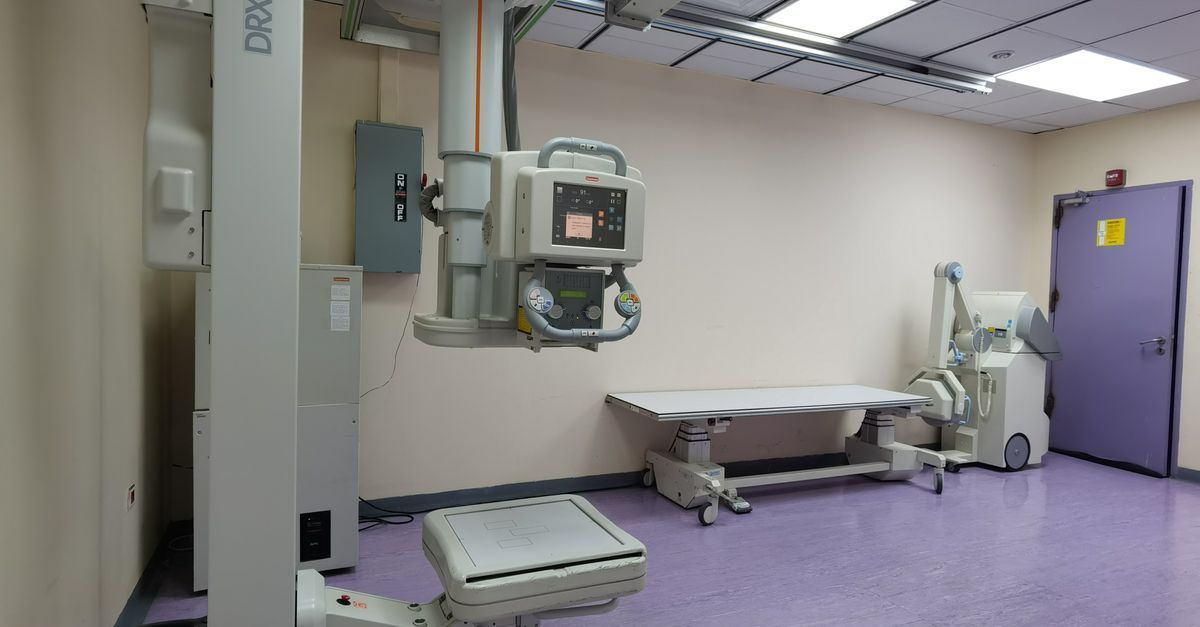
What is mammography?
Mammography is the main evidence-based screening test for breast cancer and can detect small cancers and calcifications before they are felt. Many Korean and East Asian women have dense breast tissue, which appears white on mammograms, as do tumours, making some cancers harder to see. For this reason, breast ultrasound is often added in Korea, especially for women in their 40s. Ultrasound increases detection in dense breasts but also produces more false positives.
Who is it for?
- Women from around 40, generally every one to two years
- Women with a strong family history or known genetic mutation, who may need earlier screening and sometimes MRI
- Women previously treated for breast cancer, under follow-up schedules
A new breast lump, nipple discharge (especially bloody), skin dimpling or nipple inversion needs prompt diagnostic imaging, regardless of when your last screening was. Men with a breast lump should also be assessed.
What happens at the clinic
- Booking: choose a date about one week after your period, when breasts are less tender.
- Preparation: avoid deodorant, powder or lotion on the chest and underarms, as they can appear on images.
- Positioning: a radiographer places each breast on the plate and compresses it for a few seconds per image to spread the tissue and reduce radiation.
- Images: usually two views per breast; ultrasound may follow.
- Results: a radiologist reports using BI-RADS categories with recommended follow-up.
After screening
Most results are normal (BI-RADS 1) or benign (BI-RADS 2). BI-RADS 3 means probably benign, with a short-interval follow-up. Categories 4 and 5 lead to biopsy. Being called back for more images is common and usually turns out to be benign, so try not to panic.
Risks and limitations
Compression is uncomfortable for some women but brief. Radiation is low. Mammography misses some cancers, especially in dense breasts, and false positives lead to additional imaging or biopsy. Breast implants require special techniques; inform staff in advance.
Choosing a breast screening clinic in Seomyeon
- Choose a centre with digital mammography and radiologists experienced in breast imaging.
- Ask whether breast ultrasound is available for dense breasts.
- Ask whether female radiographers perform the exam.
- Confirm how recalls and biopsies are arranged.
- Bring previous mammograms for comparison, as changes over time are key.
Making it routine
Set a reminder for your next screening. Women's clinics and screening centres around Seomyeon Station are easily reached on Lines 1 and 2.
Key facts
- Who: women from around 40, typically every 1–2 years
- Procedure: two X-ray views per breast with compression
- Time: about 10–20 minutes
- Dense breasts: supplementary ultrasound often offered
- Preparation: avoid deodorant or powder; schedule after your period
- Results: BI-RADS categories, usually within a few days
- Recall: extra views or ultrasound sometimes needed; most recalls are benign
Frequently asked questions
At what age should I start mammograms?
Most women start around 40, typically every one to two years. Women with a strong family history or genetic risk may start earlier and may also need MRI. Discuss your risk with your doctor.
Does a mammogram hurt?
Compression can be uncomfortable or briefly painful, but it lasts only a few seconds per image. Scheduling about a week after your period can reduce tenderness.
What does dense breast tissue mean?
Dense breasts have more glandular and fibrous tissue than fat. It is common, especially in younger and East Asian women, and can make cancers harder to see on mammograms, so ultrasound is often added.
What does BI-RADS 3 mean?
BI-RADS 3 means probably benign, with a very low chance of cancer. A short-interval follow-up, usually in about six months, is recommended to confirm stability.
Can I have a mammogram with breast implants?
Yes. Special views are used to image breast tissue around implants. Tell the clinic when booking so experienced staff can perform the exam.
Medical disclaimer: Seomyeon.Clinic is an independent information directory. Content is for general education and does not replace a consultation with a licensed physician. Suitability, risks, results and costs vary by person and clinic. In an emergency in Korea, call 119.