
Breast Ultrasound in Seomyeon, Busan
A breast ultrasound uses sound waves to examine breast tissue and underarm lymph nodes, helping assess lumps and screen dense breasts that mammograms can miss (유방 초음파). In Seomyeon, Busan, OB-GYN and breast clinics usually perform the scan in about 15–30 minutes with no radiation, explain findings the same day, and arrange a biopsy if anything looks suspicious.
Independent patient guide · Medically informative, not a substitute for a doctor's advice · Last reviewed:
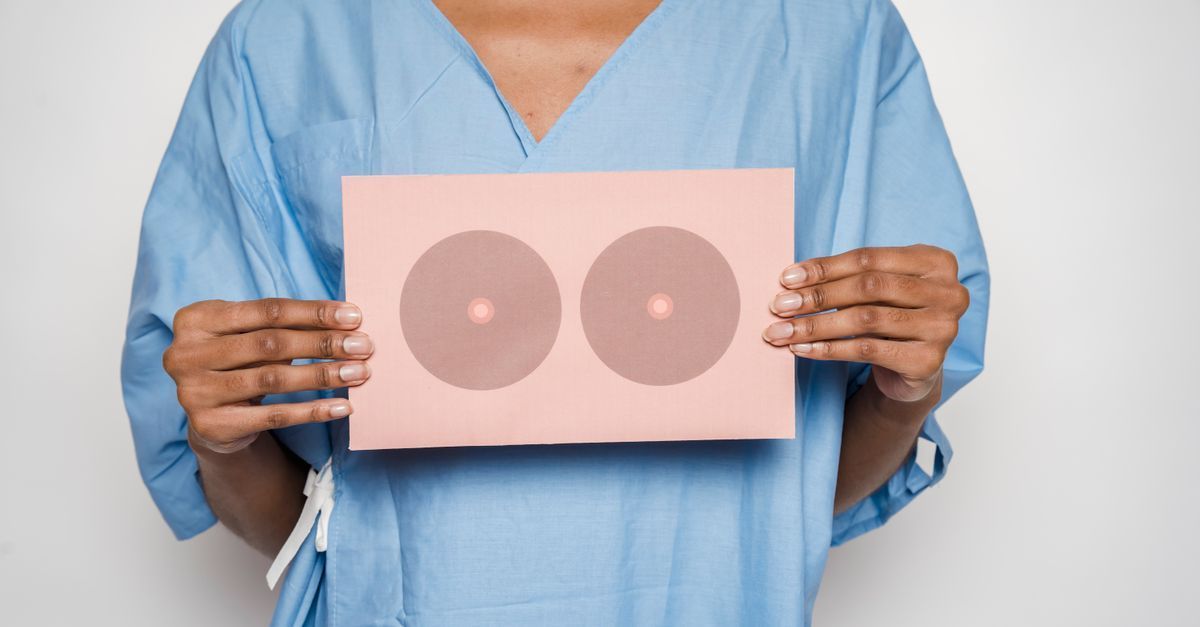
What is a breast ultrasound?
Breast ultrasound is a hand-held scan in which a probe moves over gel on the skin to create real-time images. It is excellent at telling whether a lump is a fluid-filled cyst or a solid mass and at examining dense breast tissue. Dense breasts are common in East Asian women, and in dense tissue mammograms can be harder to read, so ultrasound is frequently added to screening in Korea.
Who is it for?
- Anyone who feels a new lump or thickening in the breast or armpit
- Women with dense breasts on mammography
- Younger women, for whom ultrasound is often the first imaging test
- Pregnant or breastfeeding women with breast symptoms
- People needing follow-up of a previously seen benign-looking finding
What happens at the clinic
- History: symptoms, family history of breast or ovarian cancer, and previous imaging.
- Positioning: you undress to the waist and lie on your back with your arm raised.
- Scan: the doctor systematically scans each breast and the armpits, measuring anything notable.
- Explanation: findings are described, often using the BI-RADS scale from 1 (normal) to 5 (highly suspicious).
- Next steps: routine screening, a short-interval repeat scan, or an ultrasound-guided core needle biopsy.
Understanding results
Most findings are benign: simple cysts and fibroadenomas are very common. A "probably benign" finding is usually rechecked after about six months. A suspicious finding needs a biopsy, which is done under local anesthesia with a small needle; results typically take several days.
Risks and side effects
Ultrasound is painless and safe. Its main limitation is that it can find harmless findings that lead to extra tests, and it can miss some early cancers that appear as tiny calcifications, which mammography detects better. The two tests complement each other.
Choosing a clinic for breast ultrasound in Seomyeon
- Ask whether the scan is performed by the doctor or a sonographer, and who interprets it.
- Check whether the clinic can perform ultrasound-guided biopsies on-site.
- Ask whether mammography is available at the same visit if you are over 40.
- Request images on CD or a written report with BI-RADS category for future comparison.
- Bring prior breast imaging so changes can be compared accurately.
Local tip
Breast imaging is often combined with a gynecology check in Seomyeon, saving a second trip. The district is a short ride on Line 1 from Busan Station.
Key facts
- Used for: breast lumps, pain, nipple discharge, dense-breast screening
- Scan time: about 15–30 minutes
- Radiation: none; safe in pregnancy and breastfeeding
- Preparation: none; wear a two-piece outfit
- Results: usually explained immediately, often with a BI-RADS category
- Follow-up: repeat scan in about 6 months for probably-benign findings; biopsy for suspicious ones
- Often paired with: mammography
Frequently asked questions
Is breast ultrasound better than a mammogram?
Neither is simply better. Ultrasound is strong for dense breasts and distinguishing cysts from solid lumps; mammography detects tiny calcifications that can signal early cancer. They are often used together.
Does a breast ultrasound hurt?
No. You feel cool gel and light pressure from the probe. If an area is already tender, mild discomfort is possible but usually brief.
What does BI-RADS 3 mean?
BI-RADS 3 means a finding is probably benign, with a very low chance of cancer. A repeat ultrasound is usually advised in about six months to confirm it is stable.
Can I get a breast ultrasound while breastfeeding?
Yes. Ultrasound is safe during breastfeeding and pregnancy and is the preferred first test for breast symptoms at these times. Feeding or pumping beforehand can make the scan more comfortable.
How often should I have a breast ultrasound?
There is no single rule. Women with dense breasts or higher risk may be advised yearly or every two years alongside mammography. Your doctor will tailor the interval to your age and findings.
Medical disclaimer: Seomyeon.Clinic is an independent information directory. Content is for general education and does not replace a consultation with a licensed physician. Suitability, risks, results and costs vary by person and clinic. In an emergency in Korea, call 119.