
Gynecological Check-Up in Seomyeon, Busan
A gynecological check-up is a routine visit to an OB-GYN to review reproductive health, usually including a pelvic exam, cervical screening and often a pelvic ultrasound. In Seomyeon, Busan, women's clinics (산부인과) near Seomyeon Station typically complete the visit in 30–60 minutes, with most test results available within a few days to two weeks.
Independent patient guide · Medically informative, not a substitute for a doctor's advice · Last reviewed:
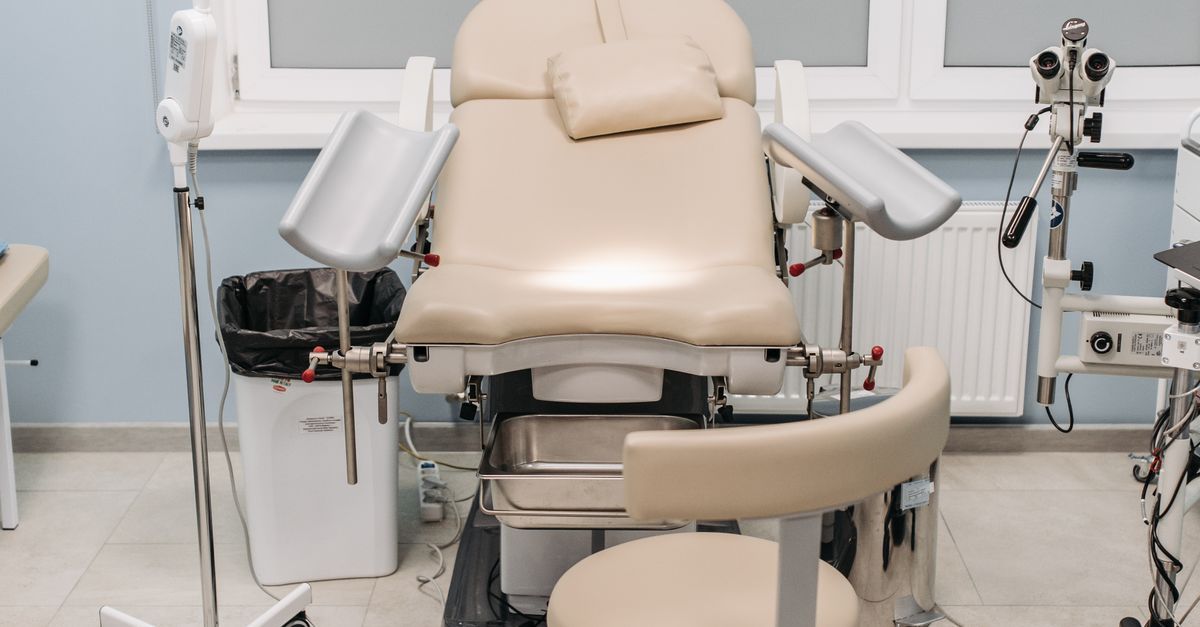
What is a gynecological check-up?
A gynecological check-up (부인과 검진) is a preventive visit focused on the uterus, cervix, ovaries, vagina and often the breasts. It aims to catch common problems early, such as cervical cell changes, fibroids, ovarian cysts and infections, and gives you time to discuss periods, contraception, sexual health or menopause symptoms with a specialist.
Who is it for?
Any woman or person with a uterus can benefit, but a check-up is especially useful if you:
- Have not had cervical screening in the last few years
- Notice irregular, very heavy or painful periods
- Have pelvic pain, unusual discharge or bleeding after sex
- Are planning a pregnancy or reviewing contraception
- Are approaching or going through menopause
What happens at the clinic
- Registration and questionnaire: you note your last period, symptoms, pregnancies, medications and allergies. Bring your passport or alien registration card.
- Consultation: the OB-GYN asks about your concerns and history in a private room.
- Pelvic exam: a speculum exam lets the doctor see the cervix and take a sample for a Pap smear or HPV test if due.
- Ultrasound: many Korean clinics routinely add a transvaginal or abdominal ultrasound to look at the uterus and ovaries.
- Additional tests: STI swabs, urine or blood tests are added if needed or requested.
- Results talk: the doctor explains ultrasound findings on the spot and tells you when lab results will arrive.
Recovery and aftercare
There is no recovery time. Light spotting after a cervical sample is normal for a day. If anything abnormal is found, the clinic will suggest a follow-up visit, further tests or referral to a hospital for more specialised care.
Risks and side effects
A check-up is very low risk. The speculum exam can feel uncomfortable, and a transvaginal probe may cause brief pressure. Tell the doctor if you have never had a pelvic exam, have pain during exams or prefer an abdominal scan; most can adapt the approach.
Choosing a clinic for a gynecological check-up in Seomyeon
- Confirm the doctor is a board-certified OB-GYN (산부인과 전문의).
- Ask whether a female doctor is available if that matters to you.
- Check which tests are included in a basic check-up and which are optional extras.
- Ask how results are delivered: in person, by text message, or via a printed report you can take home.
- If English is limited at the clinic, prepare a short written list of symptoms and medications.
Visiting from out of town
Women's clinics cluster around Seomyeon's busy commercial streets, and the area is easy to reach by metro on Lines 1 or 2. If you are only in Busan briefly, ask for ultrasound results on the day and request copies of lab results by email or printout to share with your home doctor.
Key facts
- Covers: pelvic exam, cervical screening, ultrasound, STI tests on request
- Visit length: about 30–60 minutes
- Anesthesia: none needed
- Preparation: avoid scheduling during heavy menstrual bleeding
- Results: ultrasound same day; lab results usually within 1–2 weeks
- How often: commonly once a year, or as your doctor advises
- Booking: many clinics accept walk-ins; appointments shorten waits
Frequently asked questions
How long does a gynecological check-up take in Seomyeon?
Most visits take 30 to 60 minutes including registration, the consultation, pelvic exam and ultrasound. Waiting time varies by clinic and time of day, so booking ahead or arriving early on weekdays usually helps.
Should I have a check-up during my period?
It is usually better to book when you are not bleeding heavily, as blood can affect cervical sample quality and ultrasound views. Mid-cycle is often ideal. If you have abnormal bleeding, though, see a doctor without waiting.
Is a gynecological check-up covered by insurance in Korea?
Visits for symptoms are often covered by National Health Insurance (NHI) for enrolled patients, while add-on screening packages may not be. Ask the clinic which parts of your visit are covered before tests are done.
Can I request a female gynecologist in Busan?
Many OB-GYN clinics in Seomyeon have female doctors, but not all. Ask when booking. Clinics are used to this request and can tell you which days a female doctor is available.
Do I need a referral to see an OB-GYN in Korea?
You can usually walk in or book directly at a local OB-GYN clinic without a referral. Large university hospitals typically ask for a referral letter from a local clinic, so most people start at a neighbourhood clinic.
Medical disclaimer: Seomyeon.Clinic is an independent information directory. Content is for general education and does not replace a consultation with a licensed physician. Suitability, risks, results and costs vary by person and clinic. In an emergency in Korea, call 119.