
STD Testing in Seomyeon, Busan
STD testing checks for sexually transmitted infections such as chlamydia, gonorrhea, mycoplasma, trichomonas, syphilis, HIV and herpes (성병 검사). In Seomyeon, Busan, urology and OB-GYN clinics usually take a urine sample or swab plus a blood test in a short, confidential visit; multiplex PCR results typically arrive within one to three days.
Independent patient guide · Medically informative, not a substitute for a doctor's advice · Last reviewed:
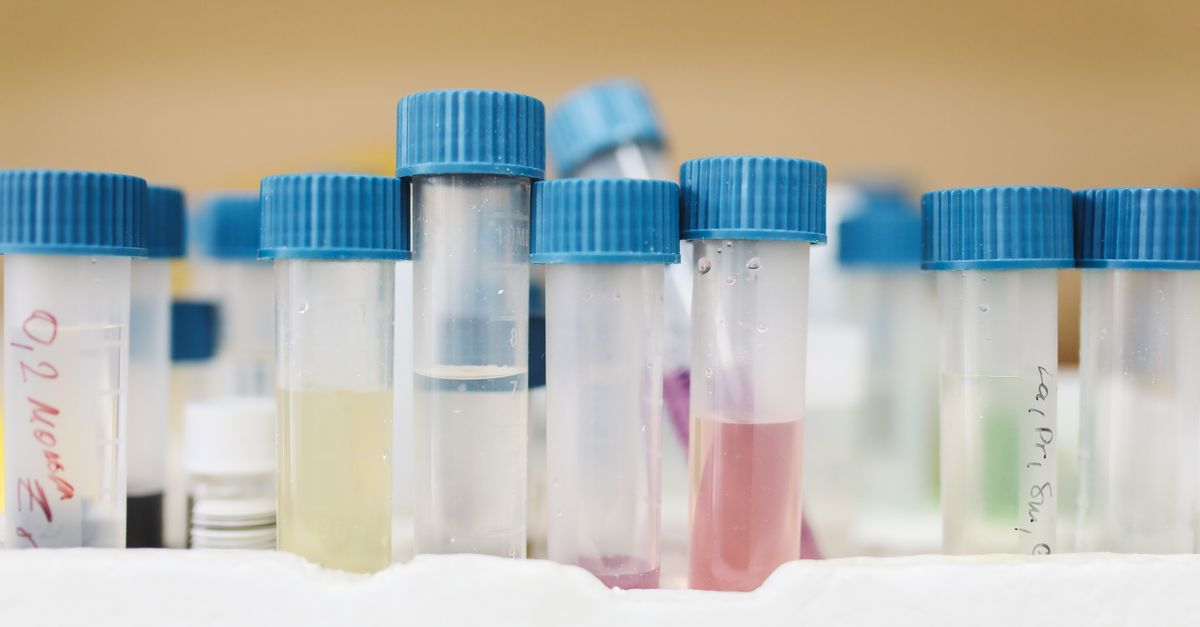
What is STD testing?
STD (or STI) testing detects infections passed through sexual contact. Many STIs cause no symptoms, especially chlamydia in women and mycoplasma, so testing is the only way to know. Korean urology and OB-GYN clinics commonly use multiplex PCR panels that test one urine or swab sample for many organisms at once, alongside blood tests for viral infections and syphilis.
Who is it for?
- Anyone with a new partner or multiple partners
- People with symptoms: discharge, burning urination, sores, genital itching, testicular or pelvic pain
- After a condom broke or unprotected sex
- Partners of someone diagnosed with an STI
- Before stopping condoms in a new relationship, or before pregnancy
What happens at the clinic
- Private history: type of contact, timing of exposure, symptoms and previous tests. Be honest about oral or anal contact so the right sites are tested.
- Samples: men usually give a first-catch urine sample (do not urinate for about one to two hours beforehand); women usually give a vaginal swab.
- Blood test: for HIV, syphilis and hepatitis as appropriate.
- Examination: if sores, warts or discharge are present.
- Results and treatment: by phone, text or return visit; antibiotics are prescribed if positive.
Understanding window periods
Tests may miss very recent infections. PCR tests for chlamydia and gonorrhea are generally reliable from about one to two weeks after exposure. Modern HIV combination tests detect most infections from several weeks after exposure, with a repeat test advised later to confirm a negative result. Syphilis blood tests may take several weeks to turn positive. If you had a high-risk exposure within the last 72 hours, ask urgently about HIV post-exposure prophylaxis (PEP).
Risks and side effects
Testing is safe. Untreated STIs can cause pelvic inflammatory disease, infertility, epididymitis and increased HIV risk. Avoid sex until you and your partners have finished treatment and been cleared.
Choosing a clinic for STD testing in Seomyeon
- Ask exactly which organisms the PCR panel covers.
- Ask whether throat and rectal swabs are available if relevant to your exposure.
- Ask how results are delivered confidentially and whether a printed report is provided.
- Ask whether the clinic can start PEP for recent HIV exposure or refer quickly.
- Confirm that test-of-cure or partner testing can be arranged.
Discreet and central
Many clinics in busy Seomyeon offer discreet sexual health testing, including evenings. The station's Line 1 and Line 2 connections make it easy to drop by.
Key facts
- Common panel: multiplex PCR for chlamydia, gonorrhea, mycoplasma, ureaplasma, trichomonas
- Blood tests: HIV, syphilis, hepatitis B and C
- Samples: first-catch urine (men), vaginal swab (women), throat or rectal swabs if relevant
- Visit time: about 15–30 minutes
- Results: PCR usually within 1–3 days; some blood tests same day
- Window periods: some infections need time after exposure to show on tests
- Treatment: most bacterial STIs are curable with antibiotics
Frequently asked questions
How soon after exposure should I get tested?
For chlamydia and gonorrhea, about one to two weeks after exposure gives reliable PCR results. HIV and syphilis blood tests may need several weeks, with repeat testing later. Test earlier if you have symptoms.
Is STD testing confidential in Korea?
Clinics are bound by medical confidentiality. Ask how results will be communicated and whether you can collect them in person if you prefer not to receive texts.
What does a full STD panel include?
Typically a PCR test for chlamydia, gonorrhea, mycoplasma, ureaplasma and trichomonas, plus blood tests for HIV, syphilis and hepatitis. Herpes testing is usually done when sores are present.
Can STDs be cured?
Bacterial and parasitic STIs such as chlamydia, gonorrhea, syphilis and trichomonas are curable with treatment. Viral infections like HIV, herpes and hepatitis B can be well controlled but not usually cured.
What should I do after a possible HIV exposure?
Seek care immediately. Post-exposure prophylaxis (PEP) works best when started as soon as possible and within 72 hours. Ask a clinic or emergency department urgently.
Medical disclaimer: Seomyeon.Clinic is an independent information directory. Content is for general education and does not replace a consultation with a licensed physician. Suitability, risks, results and costs vary by person and clinic. In an emergency in Korea, call 119.