
Urinary Tract Infection Treatment in Seomyeon, Busan
Urinary tract infection (UTI) treatment clears bacterial infection of the bladder (cystitis) or kidneys, which causes burning urination, frequency and urgency (방광염). In Seomyeon, Busan, urology, OB-GYN and family clinics usually test a urine sample during a short walk-in visit and prescribe antibiotics the same day; bladder infections typically improve within one to three days.
Independent patient guide · Medically informative, not a substitute for a doctor's advice · Last reviewed:
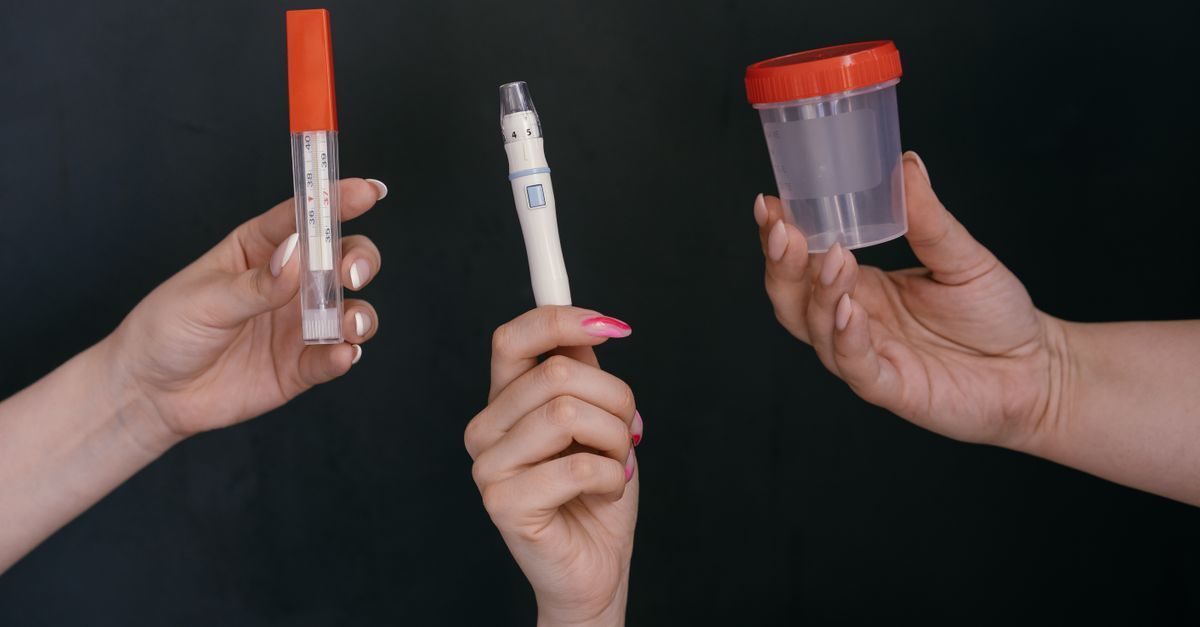
What is a urinary tract infection?
A UTI occurs when bacteria, most often E. coli from the bowel, enter the urinary tract. Infection of the bladder (cystitis) is the most common type and is especially frequent in women because the urethra is short. Infection that travels up to the kidneys (pyelonephritis) is more serious. In men, UTIs are less common and may be linked to the prostate, so they are usually investigated further.
Symptoms and when to see a doctor
- Burning or stinging when urinating
- Needing to urinate often and urgently, passing small amounts
- Cloudy, strong-smelling or blood-tinged urine
- Lower abdominal pressure
Seek same-day care, or call 119 if very unwell, for fever, chills, back or flank pain, nausea or vomiting, which suggest kidney infection. Pregnant people, men, children and anyone with diabetes or a weakened immune system should always see a doctor.
What happens at the clinic
- Urine sample: a midstream sample is tested by dipstick and often microscopy within minutes.
- Brief history: symptoms, previous infections, sexual activity, pregnancy possibility and allergies.
- Culture: sent for recurrent, complicated or male infections to identify bacteria and the right antibiotic; results take a few days.
- Ultrasound: used for recurrent infections, men or suspected kidney involvement.
- Prescription: antibiotics and symptom relief, filled at a nearby pharmacy.
Recovery and aftercare
Take antibiotics exactly as prescribed and finish the course. Drink fluids and avoid irritants such as alcohol and caffeine until symptoms settle. Return if symptoms are not improving within two to three days or come back soon after finishing treatment.
Risks and side effects
Untreated infection can spread to the kidneys and bloodstream. Antibiotics can cause stomach upset or thrush, and resistance is a growing problem, which is why cultures matter for repeat infections. Recurrent UTIs, usually defined as two in six months or three in a year, warrant investigation.
Choosing a clinic for UTI treatment in Seomyeon
- Choose a clinic that tests urine on-site so treatment starts the same day.
- For repeat infections, ask that a urine culture be sent before antibiotics.
- Ask about prevention strategies for recurrent UTIs, including non-antibiotic options.
- Men should ask whether the prostate will be assessed.
- If you are pregnant, confirm the antibiotic is safe in pregnancy.
Quick access
Walk-in clinics clustered around Seomyeon make same-day UTI care easy for visitors. The area connects to Busan Station via Line 1.
Key facts
- Symptoms: burning, frequent urges, cloudy or bloody urine, lower belly discomfort
- Diagnosis: urine dipstick and microscopy; culture for recurrent or complicated cases
- Visit time: about 15–30 minutes
- Treatment: short antibiotic course for simple cystitis; longer for kidney infection
- Improvement: usually within 24–72 hours
- Urgent signs: fever, flank pain, vomiting, pregnancy
- Recurrent UTIs: further tests and prevention plan
Frequently asked questions
How quickly do antibiotics work for a UTI?
Most people with bladder infections feel better within one to three days of starting antibiotics. If symptoms are not improving after 48 to 72 hours, return to the clinic.
Can a UTI go away on its own?
Some mild bladder infections in otherwise healthy women can settle without antibiotics, but there is a risk of spread to the kidneys. It is safer to get tested, especially if symptoms worsen.
Why do I keep getting UTIs?
Recurrent UTIs can be linked to sexual activity, menopause, incomplete bladder emptying, stones, diabetes or anatomy. A urologist can test further and suggest prevention strategies.
Is cranberry juice effective for UTIs?
Cranberry products may slightly reduce recurrent UTIs in some women, but they do not treat an active infection. See a doctor for symptoms.
Can I get UTI treatment quickly as a tourist in Busan?
Yes. Many clinics in Seomyeon see walk-in patients and test urine on the spot. Bring your passport; you can pay directly if not enrolled in Korean insurance.
Medical disclaimer: Seomyeon.Clinic is an independent information directory. Content is for general education and does not replace a consultation with a licensed physician. Suitability, risks, results and costs vary by person and clinic. In an emergency in Korea, call 119.