
Prostatitis Treatment in Seomyeon, Busan
Prostatitis treatment addresses inflammation or infection of the prostate (전립선염), which can cause pelvic or perineal pain, painful urination and discomfort after ejaculation. In Seomyeon, Busan, urology clinics typically test urine and sometimes prostate fluid in one visit, prescribe antibiotics for bacterial cases, and use combined approaches for chronic pelvic pain, with follow-up over several weeks.
Independent patient guide · Medically informative, not a substitute for a doctor's advice · Last reviewed:
What is prostatitis?
Prostatitis describes several conditions. Acute bacterial prostatitis is a sudden infection with fever and is relatively uncommon. Chronic bacterial prostatitis causes recurring urinary infections from the same bacteria. The most common form by far is chronic prostatitis/chronic pelvic pain syndrome (CP/CPPS), in which pain lasts three months or more without proven infection; it likely involves nerve sensitivity, pelvic muscle tension and inflammation.
Symptoms and when to see a doctor
- Pain in the perineum, testicles, penis tip, lower abdomen or lower back
- Burning or frequent urination, weak stream
- Pain during or after ejaculation
- Fever, chills and body aches (acute bacterial form)
Go to a clinic or emergency department the same day for high fever with urinary symptoms or if you cannot pass urine.
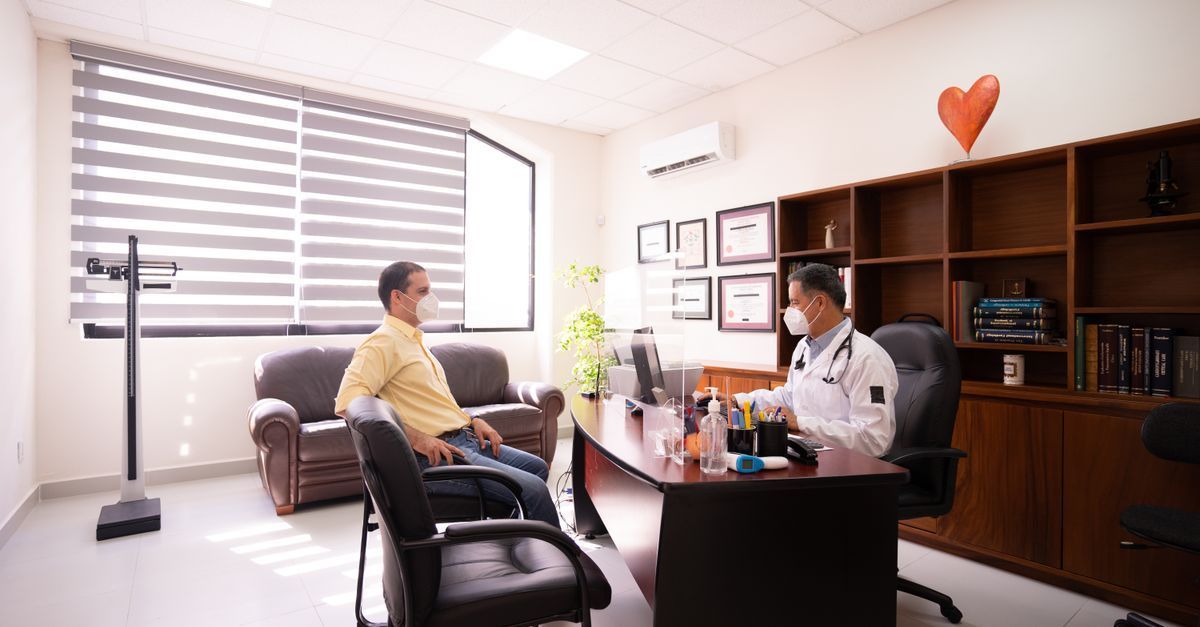
What happens at the clinic
- History: timing of symptoms, sexual history, previous infections and treatments.
- Symptom index: a questionnaire such as the NIH-CPSI tracks severity.
- Urine tests: urinalysis and culture; for chronic cases, a comparison of urine before and after prostate massage may be used.
- Other tests: STI testing, ultrasound of the prostate and bladder, residual urine scan; PSA may be checked later as infection can raise it.
- Treatment plan: antibiotics for confirmed or suspected bacterial cases; a multimodal plan for CP/CPPS.
Treatment outlook
Acute bacterial prostatitis usually responds well to antibiotics, sometimes for two to four weeks; severe cases need hospital care. Chronic bacterial prostatitis may need longer courses. CP/CPPS is managed by targeting each symptom area: alpha-blockers for urinary symptoms, anti-inflammatories, pelvic floor physiotherapy, heat, stress management and avoiding triggers such as prolonged sitting, cycling, alcohol and spicy food. Improvement is often gradual over weeks to months.
Risks and side effects
Untreated acute infection can lead to abscess or sepsis. Long antibiotic courses can cause stomach upset and resistance, so they should be used when there is good reason. Chronic pain can affect sleep, mood and relationships, and support is worthwhile.
Choosing a clinic for prostatitis treatment in Seomyeon
- Ask whether urine culture is sent before antibiotics are started.
- Look for a urologist who explains the difference between infection and chronic pelvic pain.
- Ask whether pelvic floor therapy or physiotherapy can be arranged.
- Ask how progress will be measured and when to return.
- Request STI testing if there is any chance of exposure.
Local note
Several urology clinics operate around Seomyeon, many with evening or Saturday hours. Reaching them is simple via the Line 1 and Line 2 interchange.
Key facts
- Types: acute bacterial, chronic bacterial, chronic prostatitis/chronic pelvic pain syndrome (CP/CPPS)
- Tests: urinalysis and culture, sometimes post-massage urine, PSA, ultrasound
- Bacterial treatment: antibiotics, often for several weeks
- Chronic pain treatment: alpha-blockers, anti-inflammatories, pelvic floor therapy, lifestyle changes
- Visit time: about 20–40 minutes
- Anesthesia: none
- Urgent: fever, chills and inability to urinate need same-day care
Frequently asked questions
Is prostatitis a sexually transmitted infection?
Most prostatitis is not sexually transmitted. However, STIs can cause similar symptoms, so testing is often recommended if there has been any possible exposure.
How long does prostatitis treatment take?
Acute bacterial prostatitis often needs two to four weeks of antibiotics. Chronic pelvic pain syndrome usually improves gradually over several weeks to months with combined treatment.
Can prostatitis be cured?
Bacterial forms can usually be cured with appropriate antibiotics. Chronic pelvic pain syndrome may come and go, but most men achieve good symptom control with a combination approach.
Does prostatitis cause cancer or infertility?
Prostatitis does not cause prostate cancer. It can temporarily affect semen quality in some men. It may raise PSA, so tests are interpreted with this in mind.
Should I stop cycling with prostatitis?
Prolonged pressure on the perineum can worsen symptoms. Taking a break, using a cut-out saddle and limiting long rides may help during flare-ups.
Medical disclaimer: Seomyeon.Clinic is an independent information directory. Content is for general education and does not replace a consultation with a licensed physician. Suitability, risks, results and costs vary by person and clinic. In an emergency in Korea, call 119.