
Pelvic Ultrasound in Seomyeon, Busan
A pelvic ultrasound uses sound waves to create real-time images of the uterus, ovaries and surrounding structures. In Seomyeon, Busan, most OB-GYN clinics have ultrasound in the exam room, so the doctor scans you during the consultation, usually in 10–20 minutes, and explains findings immediately. There is no radiation and no recovery time.
Independent patient guide · Medically informative, not a substitute for a doctor's advice · Last reviewed:
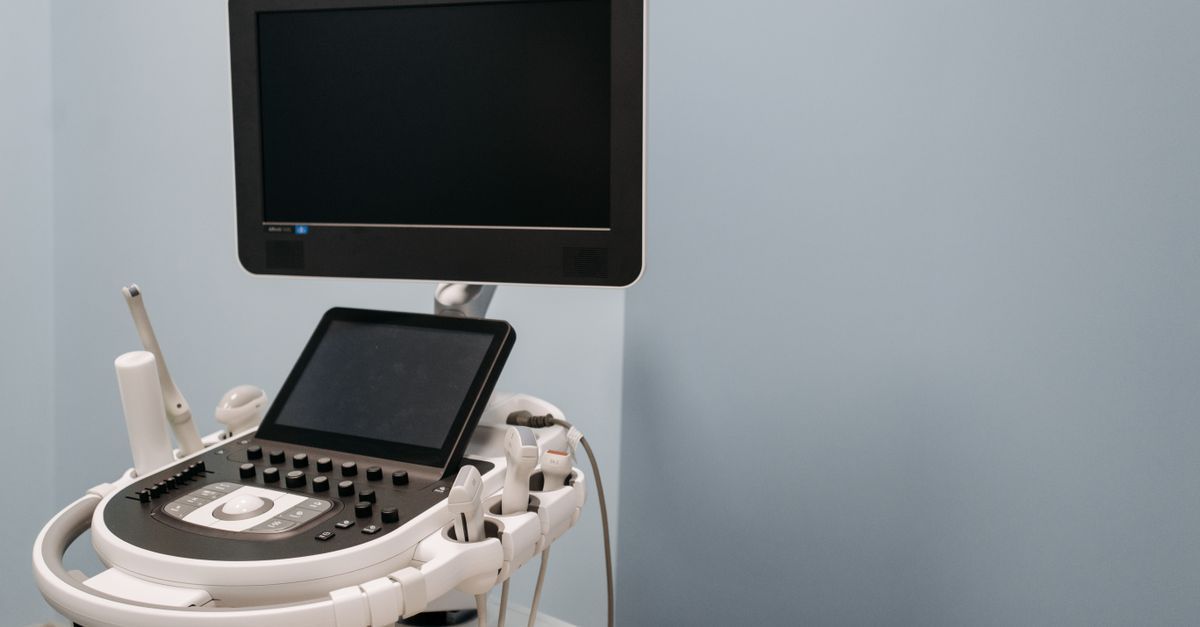
What is a pelvic ultrasound?
A pelvic ultrasound (골반 초음파) is an imaging test that bounces high-frequency sound waves off pelvic organs to build a live picture. In gynecology the transvaginal approach, using a slim probe placed in the vagina, gives the clearest view of the uterus lining and ovaries. A transabdominal scan over the lower belly is used for people who have never had intercourse, for larger masses, or alongside the internal scan.
When to see a doctor for a scan
Doctors commonly order a pelvic ultrasound for:
- Heavy, painful or irregular periods
- Pelvic pain or a feeling of pressure
- Suspected fibroids, polyps or ovarian cysts
- Bleeding after menopause
- Checking IUD position or early pregnancy
- Fertility evaluation and follicle tracking
What happens at the clinic
- Brief history: the doctor asks about symptoms and your last period.
- Preparation: for an internal scan you empty your bladder and undress from the waist down; for an abdominal scan you may be asked to drink water beforehand.
- Scan: a covered, lubricated probe is used and moved gently while the doctor takes measurements.
- Review: in Korean OB-GYN clinics the screen is often turned toward you so findings can be explained as they appear.
- Printout or follow-up: you may receive images or a written note, and further tests are arranged if needed.
Treatment outlook
Ultrasound is a diagnostic step, not a treatment. Many findings, such as small functional cysts, are harmless and simply rechecked after a cycle or two. Others, like large fibroids or complex cysts, may lead to blood tests, MRI or a referral for treatment.
Risks and side effects
Ultrasound uses no ionising radiation and is considered very safe, including in pregnancy. The internal probe can cause brief pressure. Tell the doctor if you have pain, are a virgin or prefer an abdominal scan; the approach can be adjusted, though image detail may be lower.
Choosing a clinic for pelvic ultrasound in Seomyeon
- Check that the OB-GYN performs and interprets the scan personally rather than only reviewing images later.
- Ask whether 3D ultrasound or Doppler (blood flow) imaging is available if a mass has been seen before.
- Request copies of images or measurements if you need to compare with past scans.
- Ask whether the scan is billed separately or as part of a check-up package.
- Bring earlier reports, especially if you are monitoring a known cyst or fibroid.
Local note
Because scans are done in-house, you can often walk in to a Seomyeon clinic and get same-day imaging. The neighbourhood sits where Busan Metro Lines 1 and 2 meet, so it fits easily into a day in the city.
Key facts
- Looks at: uterus, endometrium, ovaries, cervix and pelvic fluid
- Types: transvaginal (internal) or transabdominal (over the belly)
- Scan time: about 10–20 minutes
- Radiation: none
- Preparation: empty bladder for transvaginal; full bladder often needed for abdominal
- Results: usually explained on the spot
- Downtime: none
Frequently asked questions
Is a transvaginal ultrasound painful?
It is usually not painful. Most people feel mild pressure as the slim probe is moved. Tell the doctor if anything hurts; pain during the scan can itself be a useful clue, for example with endometriosis.
Do I need a full bladder for a pelvic ultrasound?
For a transvaginal scan you should empty your bladder. For a transabdominal scan a full bladder helps lift the bowel out of the way, so the clinic may ask you to drink water an hour before.
Can a pelvic ultrasound detect cancer?
It can show masses, thickened uterine lining or suspicious ovarian features, but it cannot confirm cancer. Further tests such as blood markers, MRI or a biopsy are needed for a diagnosis.
Can I get a pelvic ultrasound on my period?
Yes, it can be done, and some measurements are best taken early in the cycle. However, for checking the uterine lining or polyps, the doctor may prefer a scan just after your period ends.
How much does a pelvic ultrasound cost in Busan?
Fees vary by clinic and by whether the scan is for symptoms or a routine check. Ask the clinic before the scan whether National Health Insurance applies and what the self-pay fee would be.
Medical disclaimer: Seomyeon.Clinic is an independent information directory. Content is for general education and does not replace a consultation with a licensed physician. Suitability, risks, results and costs vary by person and clinic. In an emergency in Korea, call 119.