
Uterine Fibroid Treatment in Seomyeon, Busan
Uterine fibroid treatment manages non-cancerous muscle growths in the uterus (자궁근종) that can cause heavy periods, pain or pressure. In Seomyeon, Busan, OB-GYN clinics usually confirm fibroids by ultrasound in one visit, then discuss watchful waiting, hormonal medication, HIFU or surgery. Many small fibroids need only monitoring every 6–12 months.
Independent patient guide · Medically informative, not a substitute for a doctor's advice · Last reviewed:
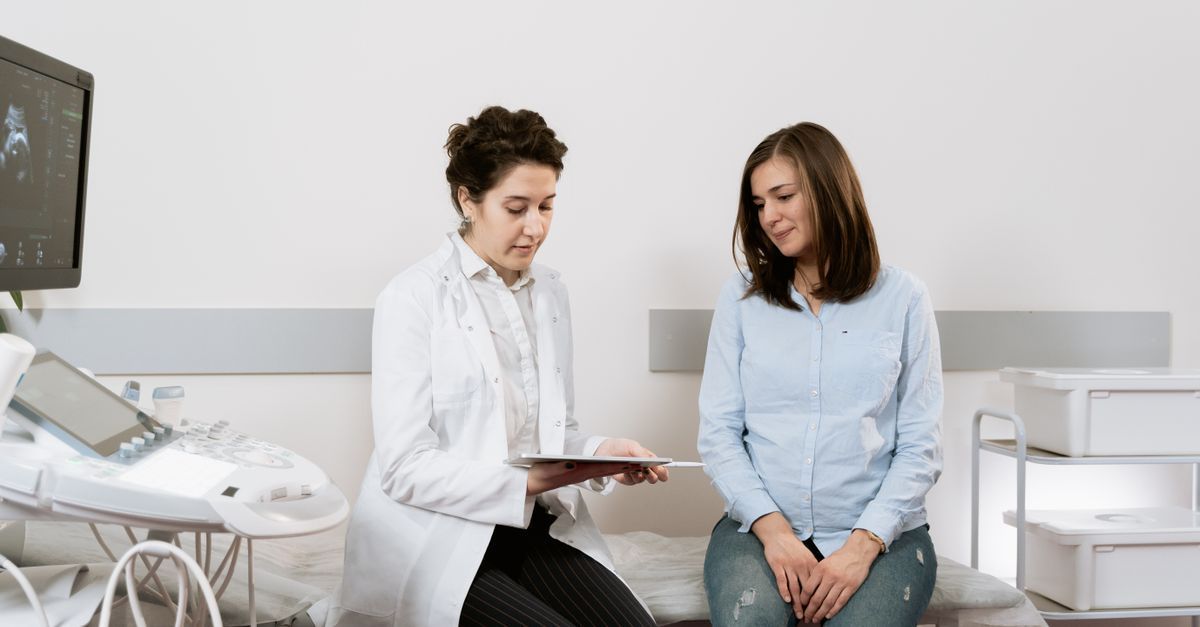
What are uterine fibroids?
Fibroids are benign growths of smooth muscle in or on the uterus. They are very common, especially from the thirties until menopause, and many cause no symptoms. They are described by location: submucosal (bulging into the cavity), intramural (within the wall) and subserosal (on the outer surface). Location often matters more than size for symptoms and fertility.
Symptoms and when to see a doctor
- Heavy or prolonged periods, sometimes with clots
- Tiredness or dizziness from iron-deficiency anemia
- Pelvic pressure, bloating or a firm lower belly
- Frequent urination or constipation
- Pain during sex or ongoing pelvic pain
- Difficulty becoming pregnant or recurrent miscarriage
Seek urgent care for very heavy bleeding that soaks a pad hourly, fainting or sudden severe pain.
What happens at the clinic
- Ultrasound: a transvaginal scan maps the number, size and position of fibroids.
- Blood tests: a blood count checks for anemia.
- Further imaging: MRI may be arranged before HIFU or surgery.
- Treatment discussion: options are matched to symptoms, age, fibroid type and pregnancy plans.
- Treatment or referral: medication can start the same day; procedures are scheduled at the clinic or a hospital.
Treatment outlook
Medication such as tranexamic acid, hormonal IUDs or GnRH-based drugs can reduce bleeding or temporarily shrink fibroids. HIFU uses focused ultrasound to heat and shrink fibroids without incisions. Hysteroscopic resection removes submucosal fibroids through the cervix. Laparoscopic or open myomectomy removes fibroids while keeping the uterus. Hysterectomy is a definitive option for those who have finished having children. Fibroids usually shrink after menopause.
Risks and side effects
Medications may cause menopause-like symptoms or irregular bleeding. Procedures carry risks of bleeding, infection and, after myomectomy, adhesions. New fibroids can develop after uterus-preserving treatment.
Choosing a clinic for fibroid treatment in Seomyeon
- Ask which treatments the clinic performs itself and which require referral to a hospital.
- If you want future pregnancy, ask how each option could affect fertility and delivery.
- Request your fibroid map (sizes and locations) in writing.
- Ask how many days of recovery and how many follow-up scans to expect.
- Check that procedures are performed by a board-certified OB-GYN.
For international patients
Planning is easier if you bring prior ultrasound or MRI reports. Seomyeon is reachable from Gimhae Airport by light rail to Sasang and then Line 2.
Key facts
- Treats: symptomatic or growing uterine fibroids (leiomyomas)
- Diagnosis: pelvic ultrasound; MRI for treatment planning
- Options: monitoring, medication, HIFU, embolization, myomectomy, hysterectomy
- Anesthesia: none for monitoring; sedation or general anesthesia for procedures
- Downtime: from none (medication) to several weeks (open surgery)
- Follow-up: ultrasound typically every 6–12 months
- Fertility: uterus-preserving options exist; discuss plans early
Frequently asked questions
Do all fibroids need treatment?
No. Small fibroids without symptoms usually only need periodic ultrasound checks. Treatment is considered when fibroids cause heavy bleeding, pain, pressure or fertility problems, or grow quickly.
Can fibroids turn into cancer?
Fibroids are benign and very rarely associated with cancer. A rare cancer called leiomyosarcoma can look similar, so rapid growth, especially after menopause, should be evaluated promptly.
Can I get pregnant with fibroids?
Many people with fibroids conceive normally. Fibroids that distort the uterine cavity can affect fertility or pregnancy, and removal may be suggested. Discuss your plans before choosing a treatment.
What is the difference between HIFU and myomectomy?
HIFU shrinks fibroids with focused ultrasound and needs no incision, but fibroids remain in place, smaller. Myomectomy surgically removes them. Suitability depends on fibroid size, type and location.
Is fibroid treatment covered by insurance in Korea?
Medically necessary fibroid treatment is often covered by National Health Insurance for enrolled patients, but coverage varies by procedure. Ask the clinic about coverage for your specific treatment before scheduling.
Medical disclaimer: Seomyeon.Clinic is an independent information directory. Content is for general education and does not replace a consultation with a licensed physician. Suitability, risks, results and costs vary by person and clinic. In an emergency in Korea, call 119.