
Fertility Evaluation in Seomyeon, Busan
A fertility evaluation is a set of tests for both partners to find out why pregnancy has not happened (난임 검사), checking ovulation, egg reserve, the uterus and fallopian tubes, and sperm. In Seomyeon, Busan, OB-GYN and fertility clinics usually complete the core work-up over one menstrual cycle, with ultrasound and blood tests at the first visit and a semen analysis for the male partner.
Independent patient guide · Medically informative, not a substitute for a doctor's advice · Last reviewed:
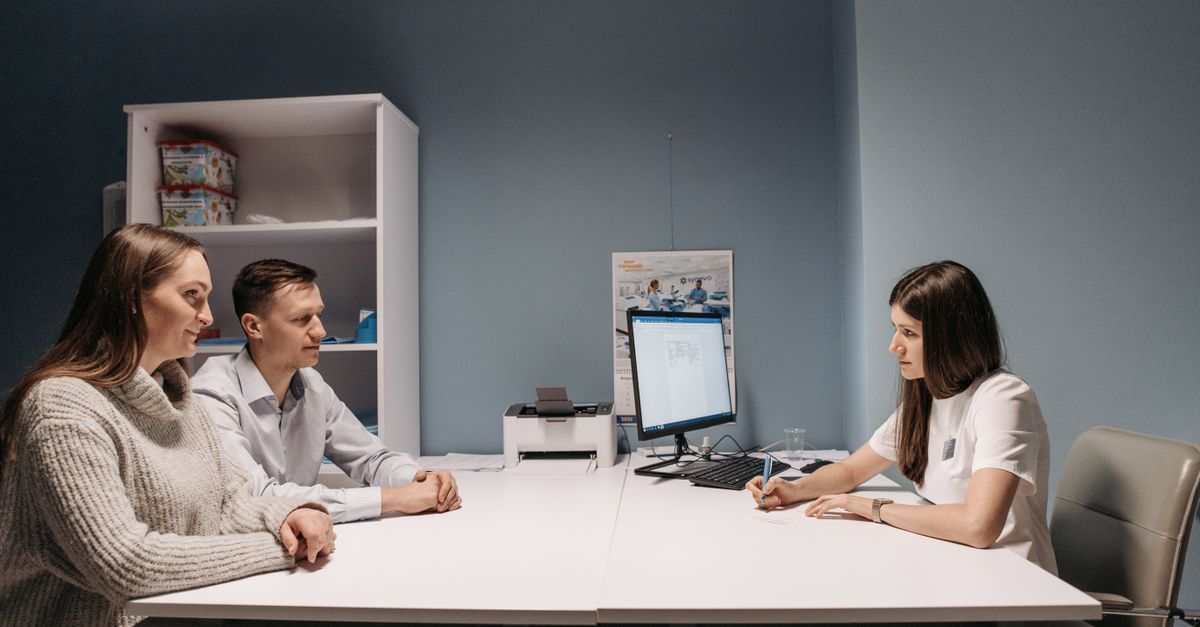
What is a fertility evaluation?
Infertility is commonly defined as not conceiving after 12 months of regular unprotected sex, or six months if the woman is 35 or older. Causes can involve ovulation, the fallopian tubes, the uterus, sperm, or a combination, and in some couples no clear cause is found. A structured evaluation identifies treatable factors and guides the next step.
Who is it for?
- Couples who meet the time-frames above
- People with irregular or absent periods, known PCOS or endometriosis
- Those with previous pelvic infection, surgery or ectopic pregnancy
- Men with past testicular problems, surgery or low libido
- Anyone with recurrent miscarriage
- Single people or couples planning ahead who want to know their ovarian reserve
What happens at the clinic
- Joint consultation: medical, sexual and cycle history for both partners.
- Transvaginal ultrasound: uterus shape, fibroids or polyps, and antral follicle count.
- Blood tests: AMH (any day), FSH, LH and estradiol early in the cycle, thyroid, prolactin, and sometimes mid-luteal progesterone to confirm ovulation.
- Tubal patency test: HSG (X-ray with dye) or a contrast ultrasound after a period ends and before ovulation.
- Semen analysis: volume, count, motility and shape, repeated if abnormal.
- Results review: the doctor explains findings and options.
Treatment outlook
Depending on results, plans range from lifestyle advice and timed intercourse to ovulation induction tablets, intrauterine insemination (IUI) and IVF. Surgical treatment of polyps, fibroids or blocked tubes may help some people. A urologist may evaluate male factor problems such as varicocele.
Risks and side effects
Most tests are low risk. Tubal tests can cause cramping and carry a small infection risk; take any antibiotic prescribed. The process can be emotionally demanding, so involve your partner and ask about counselling support.
Choosing a clinic for fertility evaluation in Seomyeon
- Ask whether the clinic evaluates both partners or refers the male partner to urology.
- Check which tubal test is used and whether it is done in-house.
- Ask what treatments the clinic itself offers (IUI, IVF) and whether embryology is on-site.
- Request a clear written summary of each result and the reasoning for the proposed plan.
- Ask how cycle-timed visits can be scheduled around your work or travel.
Getting there
Fertility work-ups involve several timed visits, so a clinic close to transport matters. Seomyeon is one stop on Line 1 from many parts of the city and connects to Line 2 as well.
Key facts
- When: after 12 months of trying, or 6 months if age 35+; sooner with known issues
- Female tests: ultrasound, AMH, cycle-day hormones, thyroid, prolactin, tubal test (HSG or HyCoSy)
- Male test: semen analysis after about 2–5 days of abstinence
- Timeline: core tests usually within one cycle
- Anesthesia: none for most tests; tubal tests may cause cramping
- Next steps: timed intercourse, ovulation induction, IUI or IVF
- Both partners: evaluated together
Frequently asked questions
When should we get a fertility evaluation?
After 12 months of trying if the woman is under 35, after six months if 35 or older, and straight away if there are irregular periods, known conditions or previous pelvic surgery.
What is AMH and what does it tell me?
AMH is a blood test reflecting the number of eggs remaining in the ovaries. It helps predict response to fertility drugs but does not measure egg quality or predict natural pregnancy on its own.
Does the male partner need testing?
Yes. Male factors contribute to many couples' difficulty conceiving. A semen analysis is simple and should be done early, ideally at the same time as the female tests.
Is an HSG test painful?
Many people feel cramping similar to period pain for a few minutes. Taking a painkiller beforehand usually helps. Light spotting afterward is common.
Can foreigners do fertility tests in Busan?
Yes. Fertility and OB-GYN clinics in Seomyeon test foreign couples. Bring previous results and ask whether reports can be provided in English for use at home.
Medical disclaimer: Seomyeon.Clinic is an independent information directory. Content is for general education and does not replace a consultation with a licensed physician. Suitability, risks, results and costs vary by person and clinic. In an emergency in Korea, call 119.