
Egg Freezing in Seomyeon, Busan
Egg freezing (oocyte cryopreservation, 난자 동결) collects and freezes a woman's eggs so they can be thawed and used for IVF later. In Seomyeon, Busan, fertility clinics typically run about 10–14 days of hormone injections with frequent monitoring scans, then retrieve eggs in a 15–30 minute procedure under sedation. Most people return to normal activities within a day or two.
Independent patient guide · Medically informative, not a substitute for a doctor's advice · Last reviewed:
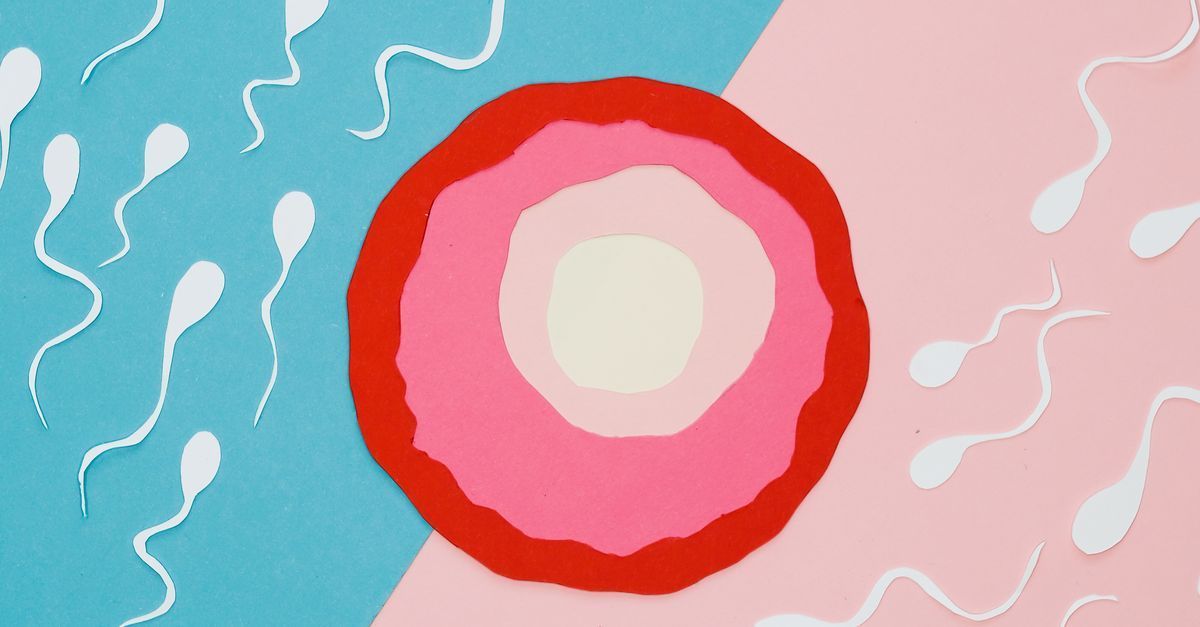
What is egg freezing?
Egg freezing preserves unfertilised eggs at their current biological age. Modern clinics use vitrification, an ultra-rapid freezing method that greatly improves survival after thawing compared with older slow-freezing techniques. When you are ready, eggs are thawed, fertilised with sperm by ICSI, and resulting embryos transferred to the uterus.
Who is it for?
- People who want to delay pregnancy for personal, career or relationship reasons
- Those facing cancer treatment or surgery that may damage the ovaries
- People with low or declining ovarian reserve on AMH testing
- Those with conditions such as endometriosis who want to preserve options
Age at freezing is the single biggest factor in later success; eggs frozen in the early-to-mid thirties generally perform better than those frozen later. Freezing does not guarantee a future pregnancy.
What happens at the clinic
- Assessment: AMH blood test, antral follicle count by ultrasound, infection screening and a general health check.
- Stimulation: starting early in the cycle, you self-inject hormones daily to grow multiple follicles; nurses teach the technique.
- Monitoring: transvaginal scans and blood tests every two to three days to adjust doses.
- Trigger shot: a final injection matures the eggs, timed precisely about 34–36 hours before retrieval.
- Retrieval: under sedation, a needle guided by ultrasound collects eggs through the vaginal wall.
- Freezing: the embryology lab assesses maturity and vitrifies mature eggs; you receive a report of the number frozen.
Recovery and aftercare
Mild cramping, bloating and spotting are common for a few days. Rest on the day of retrieval and avoid strenuous exercise until your next period. Your period usually arrives within about two weeks.
Risks and side effects
Injections can cause bruising, mood swings and bloating. Ovarian hyperstimulation syndrome (OHSS) is the main serious risk; modern protocols reduce it, but seek care for rapid weight gain, severe bloating or breathlessness. Retrieval carries small risks of bleeding and infection.
Choosing a clinic for egg freezing in Seomyeon
- Ask whether the embryology lab and storage are on-site and how eggs are tracked and stored.
- Ask how many eggs the doctor expects from you based on your AMH and age, and how many cycles may be needed.
- Clarify storage duration, renewal terms and the process for transferring eggs to another clinic or country.
- Check whether monitoring visits are available early in the morning or on weekends.
- Confirm the specialist is a board-certified OB-GYN with fertility training.
Planning your stay
Expect to be in Busan for roughly two weeks per cycle, with visits every few days. Basing yourself near Seomyeon, the Line 1 and 2 hub, keeps the frequent monitoring trips short.
Key facts
- Purpose: preserve fertility for later use via IVF
- Stimulation: about 10–14 days of daily hormone injections
- Monitoring: ultrasound and blood tests every few days
- Retrieval: about 15–30 minutes under IV sedation
- Downtime: usually 1–2 days; bloating can last about a week
- Cycles: one or more, depending on age and number of eggs collected
- Storage: vitrification (rapid freezing); ask about storage terms and renewal
Frequently asked questions
What is the best age to freeze eggs?
Results are generally better when eggs are frozen younger, ideally before the mid-thirties. Freezing later is still possible, but more eggs and cycles may be needed. A doctor can advise based on your AMH and scan.
How many eggs should I freeze?
It depends on your age and goals. Younger people may need fewer eggs for a reasonable chance of one baby; older people typically need more, sometimes requiring several cycles.
Is egg retrieval painful?
Retrieval is done under sedation, so most people feel little or nothing. Afterward, cramping and bloating are common for a few days and usually controlled with simple painkillers.
How long can frozen eggs be stored?
Vitrified eggs remain stable for many years. Storage periods and renewals are set by each clinic and local rules, so ask for the written storage agreement before starting.
Can I freeze eggs in Busan as a foreigner?
Fertility clinics in Seomyeon may treat foreign patients. Ask in advance about required documents, how long you will need to stay and whether eggs can later be shipped abroad.
Medical disclaimer: Seomyeon.Clinic is an independent information directory. Content is for general education and does not replace a consultation with a licensed physician. Suitability, risks, results and costs vary by person and clinic. In an emergency in Korea, call 119.