
Endometriosis Treatment in Seomyeon, Busan
Endometriosis treatment manages a chronic condition in which tissue similar to the uterine lining grows outside the uterus (자궁내막증), causing painful periods, pelvic pain and sometimes infertility. In Seomyeon, Busan, OB-GYN clinics usually start with ultrasound and a symptom review, then offer pain relief and hormonal therapy; laparoscopic surgery is considered for cysts, severe pain or fertility problems.
Independent patient guide · Medically informative, not a substitute for a doctor's advice · Last reviewed:
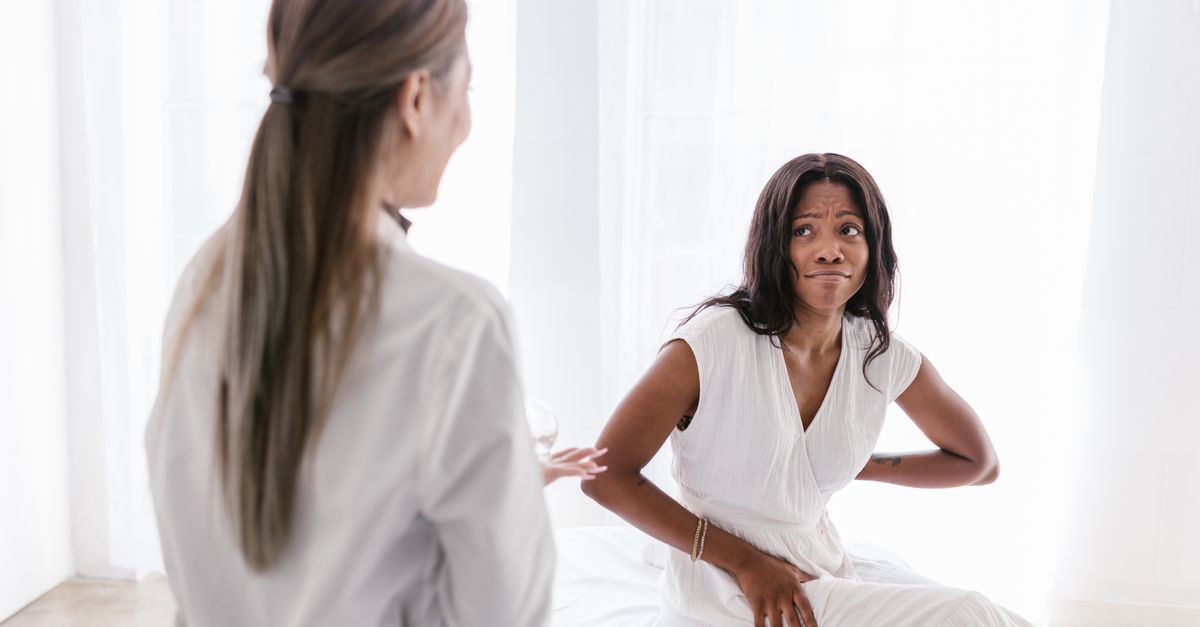
What is endometriosis?
Endometriosis occurs when endometrium-like tissue grows on the ovaries, the outer surface of the uterus, the pelvic lining, bowel or bladder. This tissue responds to monthly hormones, causing inflammation, scarring and adhesions. When it forms cysts on the ovary, they are called endometriomas. A related condition, adenomyosis, involves similar tissue within the uterine muscle.
Symptoms and when to see a doctor
- Period pain that is severe, worsening, or not controlled by usual painkillers
- Pelvic pain between periods or chronic lower back pain
- Deep pain during sex
- Painful bowel movements or urination during periods
- Heavy bleeding or spotting
- Difficulty getting pregnant
Symptoms vary widely and do not always match how much disease is present, which is why diagnosis is often delayed. Painful periods that disrupt work or study deserve evaluation.
What happens at the clinic
- Detailed history: the doctor asks about pain patterns, bleeding, bowel and bladder symptoms and fertility plans.
- Examination and ultrasound: a pelvic exam and transvaginal ultrasound look for endometriomas, adenomyosis and tender nodules.
- Further tests: MRI may be used for deep disease; blood tests have a limited role.
- Treatment plan: pain relief and hormonal therapy usually start first, chosen around contraception and pregnancy goals.
- Referral: for surgery or complex disease, clinics refer to hospital gynecology teams.
Treatment outlook
Endometriosis cannot usually be cured, but symptoms can often be well controlled. Hormonal treatments suppress the menstrual cycle and calm the tissue; progestins such as dienogest are widely used in Korea. Laparoscopic surgery removes visible lesions and cysts and can relieve pain and help fertility in some cases, but disease may return. For fertility, assisted reproduction may be recommended. Symptoms often ease after menopause.
Risks and side effects
Hormonal medicines can cause irregular bleeding, mood changes, bloating or reduced bone density with some long-term options. Surgery carries anesthesia and surgical risks, and removing endometriomas may reduce ovarian reserve.
Choosing a clinic for endometriosis care in Seomyeon
- Look for an OB-GYN who takes pelvic pain seriously and sets out a long-term plan, not only a prescription.
- Ask how the clinic monitors endometriomas and how often scans are needed.
- If you want children, ask early about AMH testing and fertility referral.
- Ask which hospital the clinic works with for laparoscopy.
- Keep a pain and bleeding diary to bring to each visit.
Living in or visiting Busan
Endometriosis care needs continuity, so expats should choose a clinic they can return to easily. Seomyeon's metro interchange makes regular follow-ups practical from most of the city.
Key facts
- Treats: endometriosis, including ovarian endometriomas
- Diagnosis: symptoms, exam and ultrasound; laparoscopy confirms
- First-line: NSAIDs and hormonal therapy (progestins, combined pill, hormonal IUD)
- Surgery: laparoscopic excision or ablation for selected cases
- Anesthesia: general anesthesia for laparoscopy
- Recovery: about 1–2 weeks after laparoscopy
- Outlook: long-term condition; symptoms can recur and need ongoing management
Frequently asked questions
How is endometriosis diagnosed in Korea?
Doctors usually make a working diagnosis from symptoms, examination and ultrasound, which can show endometriomas or adenomyosis. Laparoscopy with tissue sampling remains the definitive test but is not always needed before treatment.
Can endometriosis be cured?
There is no permanent cure for most people, but treatment can control pain well. Hormonal therapy and surgery reduce symptoms, though disease may recur. Symptoms commonly improve after menopause.
Does endometriosis cause infertility?
It can make pregnancy harder for some people, but many with endometriosis conceive naturally. If you are trying to conceive, ask about fertility evaluation and avoid unnecessary repeat ovarian surgery.
Is dienogest safe for long-term use?
Dienogest is widely used for endometriosis and is generally well tolerated. Side effects can include irregular bleeding and mood changes. Your doctor will review how long to continue and monitor you periodically.
What is the difference between endometriosis and adenomyosis?
Endometriosis is lining-like tissue outside the uterus; adenomyosis is similar tissue within the uterine muscle wall. Both can cause painful, heavy periods and can occur together.
Medical disclaimer: Seomyeon.Clinic is an independent information directory. Content is for general education and does not replace a consultation with a licensed physician. Suitability, risks, results and costs vary by person and clinic. In an emergency in Korea, call 119.