
Menstrual Pain Treatment (Korean Medicine) in Seomyeon, Busan
Menstrual pain treatment with Korean medicine (생리통 한방치료) uses acupuncture, moxibustion, herbal medicine and lifestyle advice to ease period cramps. In Seomyeon, Korean medicine clinics usually treat over a few menstrual cycles. Some studies suggest benefit, but evidence quality is limited. Severe or worsening pain should be checked by a gynecologist for conditions such as endometriosis or fibroids.
Independent patient guide · Medically informative, not a substitute for a doctor's advice · Last reviewed:
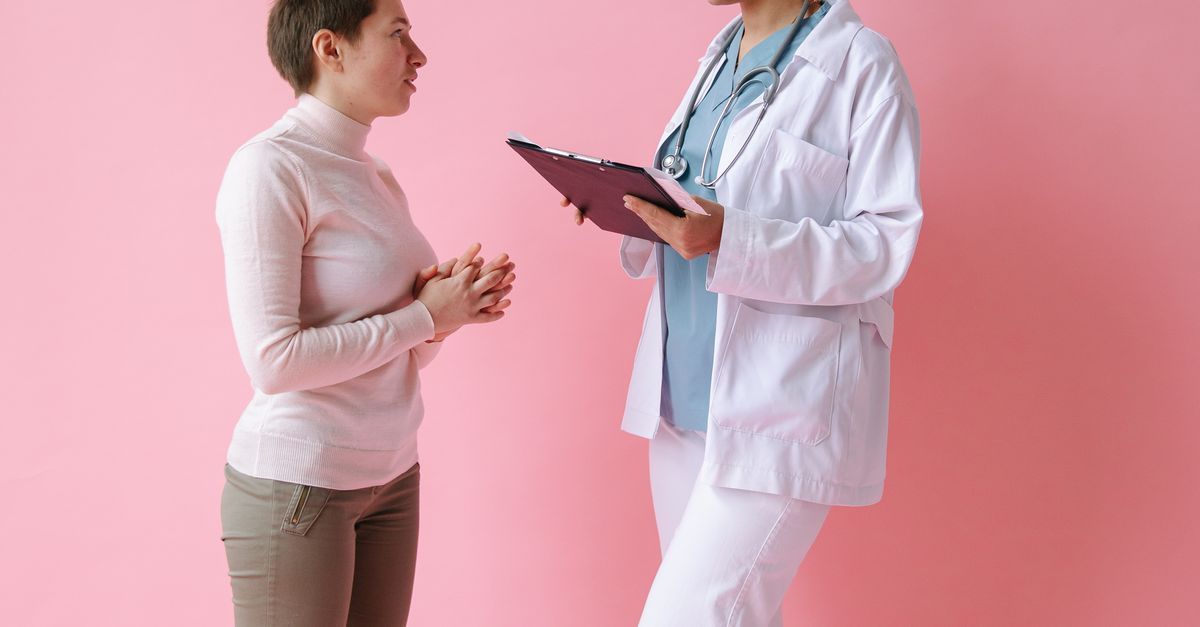
What is Korean medicine care for menstrual pain?
Period pain is very common. Primary dysmenorrhea is cramping related to prostaglandins without underlying disease; secondary dysmenorrhea is caused by conditions such as endometriosis, adenomyosis or fibroids. Korean medicine interprets menstrual pain through patterns such as cold, blood stasis or qi stagnation, choosing treatments to warm the lower abdomen and promote circulation. Treatment often combines acupuncture, moxibustion on the abdomen and herbal formulas, alongside advice on warmth, rest and diet.
Who is it for?
- Women with primary menstrual cramps seeking a complementary approach
- Those who cannot take or prefer to reduce painkillers
- People already under gynecological care who want additional support
See a gynecologist if pain is severe, gets worse over time, starts later in life, occurs outside periods, comes with heavy bleeding, pain during sex, or difficulty conceiving. These may indicate endometriosis, adenomyosis, fibroids or other conditions needing medical treatment.
What happens at the clinic
- Consultation: menstrual history, pain pattern, cycle regularity and gynecological results.
- Korean medicine diagnosis: pattern identification using pulse, tongue and symptoms.
- Acupuncture: points on the lower abdomen, legs and feet, often timed before and during the period.
- Moxibustion: warmth on the lower abdomen.
- Herbal medicine: a formula may be prescribed for several weeks; ask for ingredients.
- Lifestyle advice: keeping warm, regular exercise and sleep.
Treatment outlook
Systematic reviews suggest acupuncture and some herbal formulas may reduce period pain compared with no treatment, but many studies are small and at risk of bias. Effects compared with standard painkillers are uncertain. Korean medicine can be a complementary option; anti-inflammatory painkillers and hormonal treatments remain effective, well-studied medical choices.
Risks and side effects
Acupuncture is generally safe; moxibustion can cause burns. Herbal medicines can cause digestive upset and are not suitable in pregnancy unless approved by a qualified doctor. If you may be pregnant, tell the practitioner before any treatment.
Choosing a clinic for menstrual pain in Seomyeon
- Bring gynecological ultrasound or test results if you have them.
- Ask whether the clinic advises you when to see a gynecologist.
- Ask for the ingredient list of any herbal prescription.
- Ask how treatment timing relates to your cycle.
- Track pain levels across cycles to judge effectiveness.
Local note
Gynecology and Korean medicine clinics are both found around Seomyeon Station, served by Metro Lines 1 and 2, so combined care is easy to arrange.
Key facts
- Condition: dysmenorrhea (period pain)
- Methods: acupuncture, abdominal moxibustion, herbal medicine, warming and lifestyle advice
- Session time: about 20–30 minutes
- Course: often across 2–3 menstrual cycles
- Medical check: gynecology assessment for severe, new or worsening pain
- Medical alternatives: anti-inflammatory painkillers, hormonal options
- Coverage: acupuncture may be covered; herbal medicine usually self-pay
Frequently asked questions
Can acupuncture help period pain?
Some studies suggest acupuncture may reduce menstrual pain, but evidence quality is limited. It can be tried as a complementary option alongside medical care.
When should I see a gynecologist for period pain?
See a gynecologist for severe or worsening pain, pain outside periods, heavy bleeding, pain during sex, or difficulty conceiving, as these may indicate an underlying condition.
Is Korean herbal medicine safe for menstrual pain?
Many women tolerate it, but side effects and interactions are possible. Herbal medicine should be avoided in pregnancy unless approved by a qualified doctor.
How many cycles of treatment are needed?
Clinics often suggest treatment over two to three cycles. Keep a pain diary to judge whether it is helping.
Is menstrual pain treatment covered by insurance in Korea?
Basic acupuncture is generally covered by National Health Insurance for enrolled patients. Herbal medicines are usually self-pay.
Medical disclaimer: Seomyeon.Clinic is an independent information directory. Content is for general education and does not replace a consultation with a licensed physician. Suitability, risks, results and costs vary by person and clinic. In an emergency in Korea, call 119.