
Moxibustion in Seomyeon, Busan
Moxibustion (뜸) is a Korean medicine heat therapy that burns dried mugwort (moxa) on or near acupuncture points to warm the area. In Seomyeon, Korean medicine clinics mostly use indirect moxibustion, with a barrier or device between moxa and skin, for 10–20 minutes, often with acupuncture. It is used for digestive complaints, cold sensitivity and pain; evidence is limited and burns are the main risk.
Independent patient guide · Medically informative, not a substitute for a doctor's advice · Last reviewed:
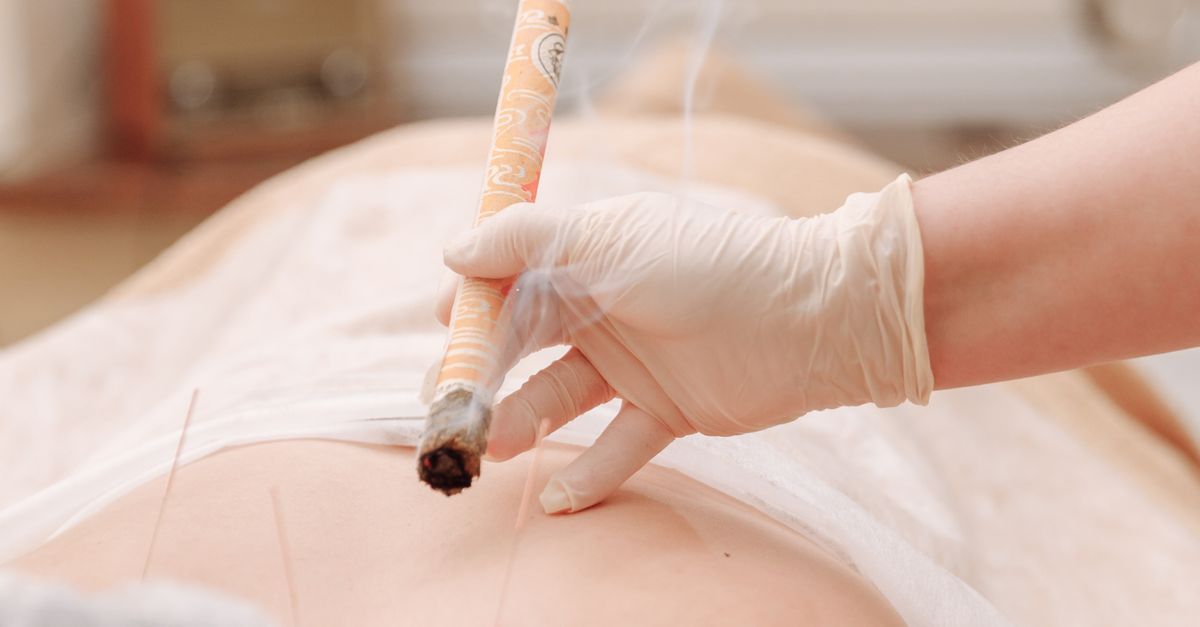
What is moxibustion?
Moxibustion (뜸, 구법) is a traditional heat therapy used in Korean, Chinese and Japanese medicine. Dried and processed mugwort is shaped into cones or sticks and burned near the skin over acupuncture points or areas of discomfort. In Korean medicine theory, it warms the meridians, supports qi and dispels cold. Modern clinics often use smokeless moxa or devices that hold the moxa above the skin to control heat and reduce smoke.
Who is it for?
- People with functional digestive complaints such as bloating or loose stools
- Menstrual cramps and cold sensitivity in the hands and feet
- Chronic joint or back pain, often combined with acupuncture
- Those seeking a warming, relaxing complementary therapy
It should be avoided or used with care in people with reduced skin sensation (such as diabetic neuropathy), on broken skin, over the face or near mucous membranes, during fever, and over the abdomen or lower back in pregnancy unless advised by a qualified practitioner. People with asthma may be sensitive to smoke.
What happens at the clinic
- Consultation: symptoms are assessed according to Korean medicine diagnosis.
- Point selection: often on the abdomen, lower back or legs.
- Application: moxa is placed on a barrier, in a box or held above the skin and lit.
- Monitoring: staff check comfort; tell them immediately if it becomes too hot.
- Completion: moxa is removed once burned down; the skin is checked.
Treatment outlook
Some studies suggest moxibustion may help certain conditions, such as menstrual pain or functional digestive symptoms, but most research is small and of limited quality. A well-known use, turning breech babies, has mixed evidence and should only be considered with obstetric supervision. Moxibustion is best viewed as a complementary therapy, not a replacement for medical diagnosis or treatment.
Risks and side effects
Burns and blisters are the most common adverse effects, especially with direct moxibustion or reduced skin sensation. Smoke may irritate the eyes or airways. Rarely, allergic skin reactions occur. Blisters should be kept clean and checked if they become red or painful.
Choosing a clinic for moxibustion in Seomyeon
- Ask whether indirect moxibustion is used and how heat is controlled.
- Tell staff about numbness, diabetes, pregnancy or asthma.
- Ask for smokeless moxa if smoke bothers you.
- Ask how many sessions are suggested and why.
- Seek medical evaluation for persistent digestive or menstrual symptoms as well.
Local note
Moxibustion is commonly offered alongside acupuncture at Korean medicine clinics near Seomyeon Station, served by Metro Lines 1 and 2.
Key facts
- Material: dried mugwort leaf (Artemisia), called moxa
- Types: indirect (barrier, box or holder) and direct (on skin, less common)
- Common uses: digestive discomfort, menstrual pain, cold hands and feet, joint pain
- Session time: about 10–20 minutes
- Sensation: gentle to strong warmth
- Main risk: burns or blisters
- Coverage: some moxibustion is NHI-covered for enrolled patients; ask the clinic
Frequently asked questions
Does moxibustion hurt?
It should feel warm, sometimes strongly so, but not painful. Tell the practitioner immediately if it feels too hot so the moxa can be moved or removed.
Can moxibustion leave a scar?
Indirect moxibustion rarely scars, but burns and blisters can occur. Direct moxibustion carries a higher risk of scarring and is less commonly used.
What is moxibustion used for?
Common uses include digestive discomfort, menstrual pain, cold sensitivity and joint pain. Evidence for these uses is limited, so it is considered complementary care.
Is moxibustion covered by insurance in Korea?
Some moxibustion at Korean medicine clinics is covered by National Health Insurance for enrolled patients, depending on the method. Ask the clinic.
Can I do moxibustion during pregnancy?
Only under qualified guidance. Some points are traditionally avoided in pregnancy, and moxibustion for breech position should be discussed with your obstetrician.
Medical disclaimer: Seomyeon.Clinic is an independent information directory. Content is for general education and does not replace a consultation with a licensed physician. Suitability, risks, results and costs vary by person and clinic. In an emergency in Korea, call 119.