
Cupping Therapy in Seomyeon, Busan
Cupping therapy (부항) is a Korean medicine treatment that places cups on the skin and creates suction, drawing the skin and muscle upward. In Seomyeon, Korean medicine clinics commonly use dry cupping, and sometimes wet cupping with small skin punctures, for back, neck and shoulder tension, often for 5–15 minutes after acupuncture. Round marks may last several days; evidence is limited.
Independent patient guide · Medically informative, not a substitute for a doctor's advice · Last reviewed:
What is cupping therapy?
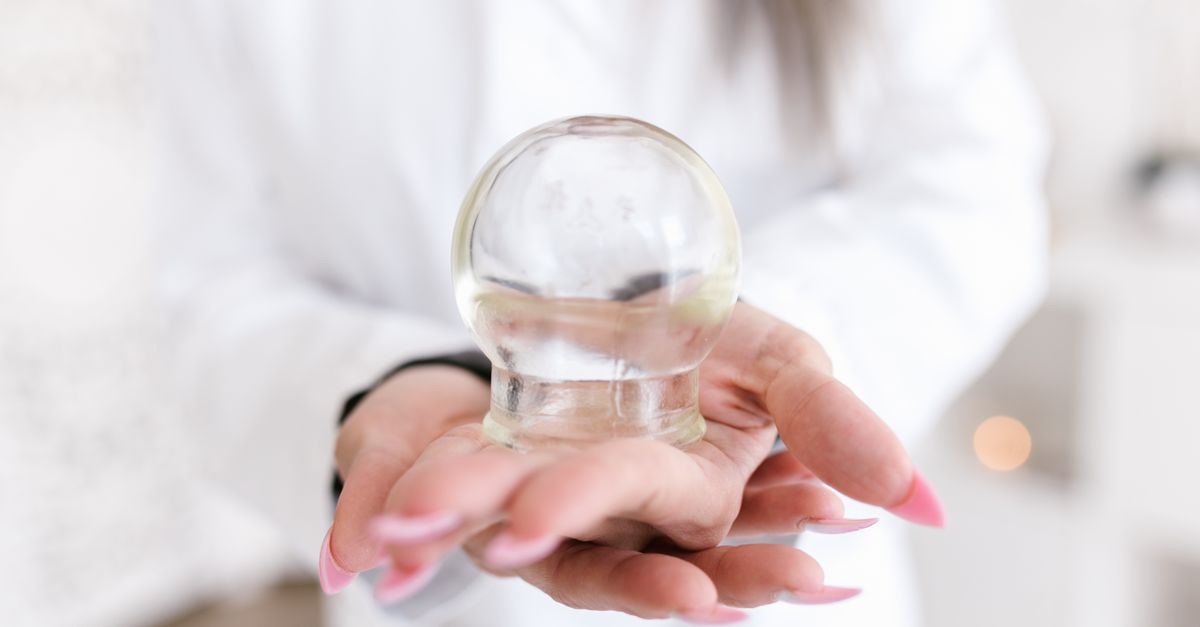
Cupping (부항) has been used across East Asia, the Middle East and elsewhere for centuries. Cups made of glass or plastic are placed on the skin and suction is created, either with a hand pump or, traditionally, heat. In Korean medicine theory, cupping is used to promote circulation and remove stagnation. From a biomedical viewpoint, suction lifts tissue and increases local blood flow, which some people find relaxing for tight muscles. Wet cupping involves tiny superficial skin punctures before suction, drawing out a small amount of blood.
Who is it for?
- People with neck, shoulder and upper back muscle tension
- Low back muscle stiffness
- Those receiving acupuncture who want a complementary relaxation treatment
Cupping should be avoided over broken, inflamed or sunburnt skin, varicose veins, and in people with bleeding disorders, those taking blood thinners (especially for wet cupping), anemia, or fragile skin. Pregnant people should discuss safety, particularly regarding the abdomen and lower back.
What happens at the clinic
- Consultation: symptoms and suitability are assessed.
- Positioning: you lie face down or sit comfortably.
- Cup placement: several cups are applied, usually to the back or shoulders.
- Suction time: typically 5–15 minutes; some practitioners slide cups along oiled skin.
- Wet cupping (if used): the skin is cleaned and punctured with sterile lancets before suction, then dressed afterward.
- Removal and aftercare: cups are removed and the skin checked.
Treatment outlook
Some people report reduced muscle tension and pain after cupping. Systematic reviews suggest possible short-term benefit for neck and back pain, but most studies are small, difficult to blind and at high risk of bias. Cupping is best seen as a complementary comfort measure rather than a treatment for underlying disease.
Risks and side effects
Round marks from broken capillaries are expected and fade over days to a couple of weeks. Other effects include temporary soreness, blistering, light-headedness and, with wet cupping, a risk of infection or scarring if hygiene is poor. Burns can occur with fire cupping. Sterile, single-use equipment is essential for wet cupping.
Choosing a clinic for cupping in Seomyeon
- Confirm the clinic is a licensed Korean medicine clinic.
- For wet cupping, ask about single-use lancets and sterile cup handling.
- Tell staff about blood thinners, anemia and skin conditions.
- Ask whether dry or wet cupping is planned and why.
- If you need clear skin for an event, ask about how long marks may last.
For visitors
Cupping marks may be visible for over a week, so plan around beach trips or events. Seomyeon's Korean medicine clinics are near the Line 1 and Line 2 interchange.
Key facts
- Provider: Korean medicine doctor or staff under supervision
- Types: dry cupping (suction only) and wet cupping (with small skin punctures)
- Common uses: neck, shoulder and back muscle tension
- Session time: about 5–15 minutes
- Marks: circular discolouration lasting several days to about two weeks
- Coverage: some cupping is NHI-covered for enrolled patients; ask the clinic
- Evidence: limited, mostly low-quality studies
Frequently asked questions
What do cupping marks mean?
The round marks are caused by suction breaking small capillaries under the skin, similar to a bruise. They usually fade within several days to about two weeks.
Does cupping hurt?
Most people feel a strong pulling or tightness but not sharp pain. Wet cupping involves brief pricks. Tell the practitioner if suction feels too strong.
What is the difference between dry and wet cupping?
Dry cupping uses suction only. Wet cupping adds tiny skin punctures before suction to draw a small amount of blood, requiring strict hygiene.
Is cupping covered by insurance in Korea?
Some cupping procedures at Korean medicine clinics are covered by National Health Insurance for enrolled patients. Coverage depends on the type; ask the clinic.
Is there scientific evidence for cupping?
Evidence is limited. Some studies suggest short-term relief for neck and back pain, but research quality is generally low, so benefits are uncertain.
Medical disclaimer: Seomyeon.Clinic is an independent information directory. Content is for general education and does not replace a consultation with a licensed physician. Suitability, risks, results and costs vary by person and clinic. In an emergency in Korea, call 119.