
Anemia Treatment in Seomyeon, Busan
Anemia treatment corrects a low red blood cell or hemoglobin level and, crucially, its underlying cause. At an internal medicine clinic in Seomyeon, a visit typically starts with a complete blood count and iron studies, with results often the same or next day. Iron deficiency is the most common cause and is treated with tablets or an IV iron infusion; hemoglobin usually rises over several weeks.
Independent patient guide · Medically informative, not a substitute for a doctor's advice · Last reviewed:
What is anemia?
Anemia means your blood carries less hemoglobin than normal, so tissues receive less oxygen. It is a sign rather than a diagnosis: something is causing red cells to be lost, under-produced or destroyed. The most common cause worldwide is iron deficiency, often from heavy menstrual bleeding, pregnancy, low dietary iron, or slow bleeding from the stomach or bowel. Other causes include vitamin B12 or folate deficiency, kidney disease, chronic inflammation and inherited conditions such as thalassemia.
Symptoms and when to see a doctor
- Tiredness, weakness or reduced exercise tolerance
- Breathlessness or a pounding heart on exertion
- Pale skin, headaches, dizziness or feeling cold
- Brittle nails, hair shedding or cravings for ice
- A health check-up that showed low hemoglobin
Seek urgent care for black or bloody stools, vomiting blood, chest pain or fainting, which may signal significant bleeding; call 119 if severe.
What happens at the clinic
- History: the doctor asks about periods, diet, digestive symptoms, medicines such as aspirin or painkillers, and family history.
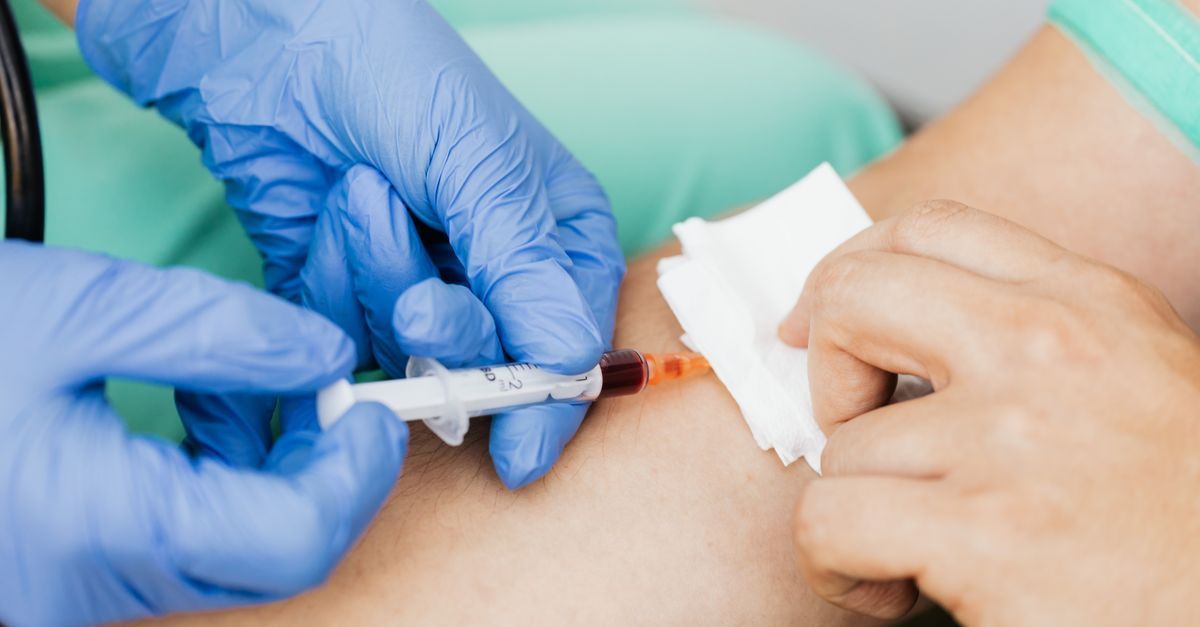
- Blood tests: complete blood count, ferritin and iron studies, B12, folate, and kidney and liver function.
- Finding the source: in men and in women after menopause, iron deficiency usually prompts a gastroscopy and colonoscopy to look for bleeding. Women with heavy periods may be referred to a gynecologist.
- Treatment: iron tablets, B12 injections or tablets, or folic acid, depending on the cause.
- IV iron if needed: for people who cannot tolerate tablets, absorb iron poorly, or need faster correction.
Treatment outlook
With the cause addressed, most people feel more energetic within a few weeks. Hemoglobin often rises noticeably within about a month of iron treatment, but iron stores take longer to refill, so tablets are usually continued for around three months after levels normalise. Take iron on an empty stomach or as directed, ideally with vitamin C and away from tea, coffee and calcium.
Risks and side effects
Oral iron commonly causes constipation, nausea, stomach discomfort and dark stools; alternate-day dosing or a different preparation can help. IV iron is generally safe but carries a small risk of allergic reaction, so it is given with monitoring. Treating anemia without finding its cause can delay the diagnosis of serious conditions.
Choosing a clinic for anemia treatment in Seomyeon
- Choose a clinic that investigates the cause, not one that only offers iron drips.
- Check that endoscopy and colonoscopy are available on site or by quick referral.
- Ask which IV iron product is used and how long you will be monitored.
- Ask for printed results so you can follow hemoglobin and ferritin over time.
- Confirm an English-speaking explanation of diet and supplement timing.
Living in Busan
Repeat blood counts are quick. A clinic close to Seomyeon Station, served by Lines 1 and 2, keeps those follow-up visits short.
Key facts
- Treats: iron deficiency, vitamin B12 or folate deficiency, anemia of chronic disease
- Key tests: complete blood count, ferritin and iron studies, B12, folate, kidney function
- Results: usually same day to 2 days
- Oral iron: typically taken for about 3 months after levels normalise
- IV iron: infusion of about 15–60 minutes depending on product
- Further tests: endoscopy or colonoscopy if blood loss from the gut is suspected
- Recheck: blood count after 2–4 weeks of treatment
Frequently asked questions
How long does it take to recover from iron deficiency anemia?
Energy often improves within a few weeks of treatment, and hemoglobin typically rises within about a month. Rebuilding iron stores usually takes around three months of continued tablets after blood counts return to normal.
Oral iron vs IV iron: which is better?
Tablets work well for most people and are inexpensive. IV iron is useful when tablets cause intolerable side effects, are not absorbed, or levels need to rise quickly, such as before surgery or late in pregnancy.
Why does my doctor want an endoscopy for anemia?
In men and postmenopausal women, iron deficiency often comes from slow bleeding in the stomach or bowel, from ulcers, polyps or, less commonly, cancer. Endoscopy and colonoscopy are the standard ways to find the source.
Can diet alone fix anemia?
Diet helps prevent iron deficiency and supports recovery, but once anemia has developed, food alone rarely corrects it quickly. Iron-rich foods include red meat, shellfish, legumes and dark leafy greens.
Is anemia treatment covered by NHI?
Diagnostic blood tests and medically indicated treatment are covered for NHI enrollees with a co-payment. Coverage for IV iron can depend on test results and criteria, so ask the clinic before the infusion.
Medical disclaimer: Seomyeon.Clinic is an independent information directory. Content is for general education and does not replace a consultation with a licensed physician. Suitability, risks, results and costs vary by person and clinic. In an emergency in Korea, call 119.