
Gastroscopy (Upper Endoscopy) in Seomyeon, Busan
Gastroscopy (upper endoscopy, 위내시경) is an examination of the esophagus, stomach and duodenum using a thin flexible camera passed through the mouth. In Seomyeon, many internal medicine and gastroenterology clinics perform it: after an overnight fast and a throat-numbing spray, the scope exam takes about 5–10 minutes, with or without sedation. Findings are usually explained the same day; biopsy results take several days.
Independent patient guide · Medically informative, not a substitute for a doctor's advice · Last reviewed:
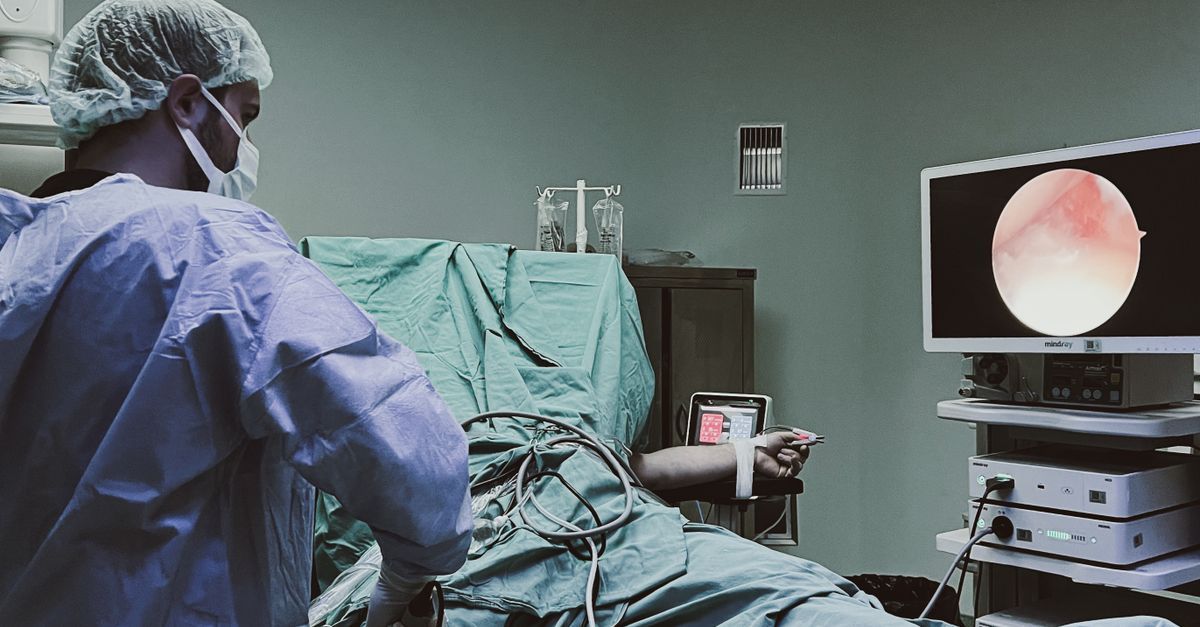
What is gastroscopy?
A gastroscope is a flexible tube about the width of a finger, with a light and camera at its tip. The doctor passes it through your mouth into the esophagus, stomach and duodenum to look directly at the lining. Small tissue samples (biopsies) can be taken painlessly, and tests for Helicobacter pylori can be done at the same time. Stomach cancer is relatively common in Korea, so gastroscopy is a routine part of many adult health check-ups, and Korean endoscopists perform it in high volumes.
Who is it for?
- Persistent heartburn, acid reflux or upper abdominal pain
- Indigestion, nausea or early fullness that does not settle
- Difficulty swallowing or food sticking
- Unexplained weight loss or iron-deficiency anemia
- Adults from around 40 having regular screening, or anyone with a family history of stomach cancer
Vomiting blood or passing black, tarry stools can indicate bleeding and needs emergency care; call 119.
What happens at the clinic
- Preparation: stop eating from the evening before; avoid water for a few hours before the exam unless instructed. Tell staff about blood thinners and diabetes medicines.
- Consent and choice: you confirm whether you want sedation; if so, an IV line is placed.
- Throat spray: a numbing spray reduces gagging, and a mouthguard protects your teeth.
- Examination: lying on your left side, the scope is passed and air is used to open the stomach. The exam takes about 5–10 minutes.
- Results: the doctor shows you images and explains findings; biopsy results follow later.
Recovery and aftercare
Without sedation, you can leave almost immediately, waiting about an hour for the throat numbness to wear off before eating or drinking. Bloating from the air passes quickly. A mild sore throat for a day is common. If biopsies were taken, the doctor will tell you whether to avoid certain foods or medicines briefly.
Risks and side effects
Gastroscopy is very safe. Uncommon complications include bleeding after biopsy, reactions to sedation, and, rarely, a tear in the lining. Seek urgent care for severe chest or abdominal pain, fever, vomiting blood or black stools after the procedure.
Choosing a clinic for gastroscopy in Seomyeon
- Check the exam is performed by a gastroenterology or internal medicine specialist with endoscopy certification.
- Ask how scopes are cleaned and disinfected between patients.
- Ask whether sedated and unsedated options are both available, and who monitors you during sedation.
- Confirm whether H. pylori testing and biopsies are included and how results are delivered.
- Request printed images and an English report for your records.
Visiting for an endoscopy
Morning slots are best because of fasting. Busan Station is a few stops from Seomyeon on Line 1, so travellers arriving by KTX can attend an early appointment.
Key facts
- Examines: esophagus, stomach and first part of the small intestine
- Detects: gastritis, ulcers, reflux damage, polyps, H. pylori, early cancer
- Fasting: typically from the evening before, at least 8 hours
- Procedure time: about 5–10 minutes
- Anesthesia: throat spray; optional sedation
- Biopsy results: usually within about a week
- Return to normal: same day if unsedated
Frequently asked questions
Does gastroscopy hurt?
It is usually not painful, but unsedated exams can cause gagging, pressure and bloating. The throat spray helps, and the exam is short. If you are anxious, sedated endoscopy is widely available in Seomyeon.
How long should I fast before a gastroscopy?
Typically you stop eating from the evening before and have nothing for at least 8 hours. Small sips of water may be allowed until a few hours before. Follow your clinic's exact instructions.
Sedated vs unsedated gastroscopy: which should I choose?
Unsedated exams are quicker to recover from and let you drive afterwards. Sedation makes the exam more comfortable but requires an hour or so of recovery and no driving that day. Many first-timers prefer sedation.
How often should I have a gastroscopy?
In Korea, adults from around 40 commonly have one every two years as screening. People with a history of polyps, intestinal metaplasia or family risk may be advised to have it more often.
Can I have a gastroscopy and colonoscopy on the same day?
Yes. Many clinics perform both under the same sedation, which saves time. You will need to follow colonoscopy bowel preparation and fast as instructed.
Medical disclaimer: Seomyeon.Clinic is an independent information directory. Content is for general education and does not replace a consultation with a licensed physician. Suitability, risks, results and costs vary by person and clinic. In an emergency in Korea, call 119.