
Gastroenterology in Seomyeon, Busan
Gastroenterology (소화기내과) is the internal medicine specialty for the esophagus, stomach, intestines, liver, gallbladder and pancreas. In Seomyeon, Busan, many clinics combine gastroenterology with general internal medicine and perform gastroscopy and colonoscopy on site, often under sedation. Common reasons to visit include reflux, indigestion, H. pylori, bowel changes, abnormal liver tests and stomach or colorectal cancer screening.
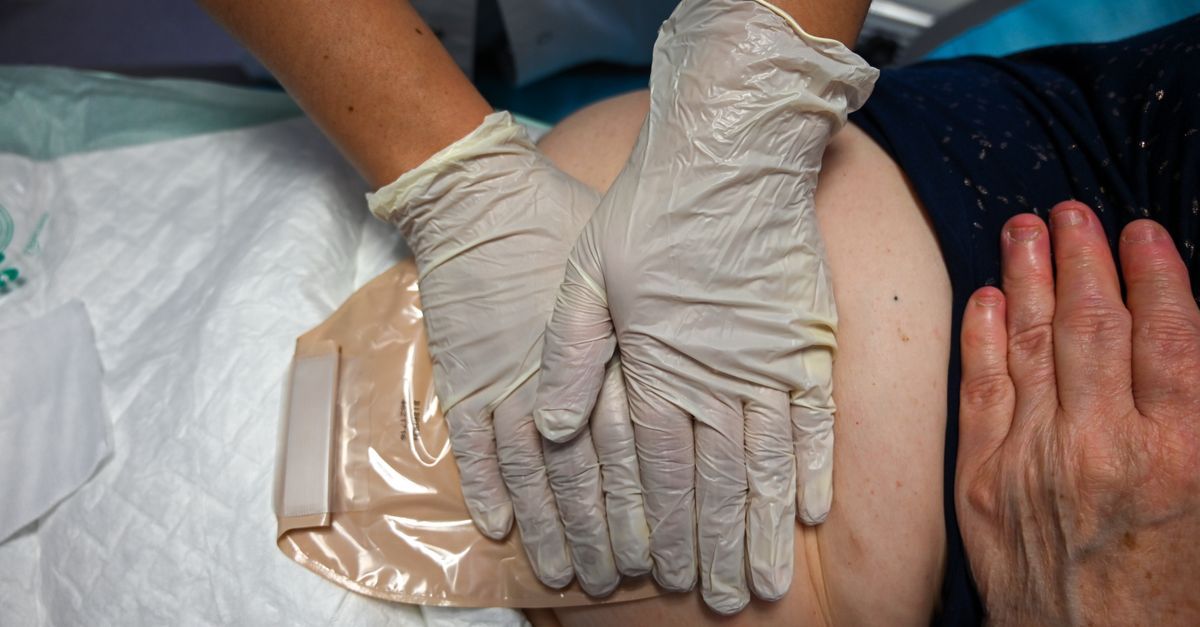
What does gastroenterology cover?
Gastroenterologists diagnose and treat conditions of the whole digestive system without open surgery. Their key tools are endoscopy and colonoscopy, which let them see inside the gut, take biopsies and remove polyps, together with ultrasound, blood and stool tests. In Korea, gastroenterology is a sub-specialty of internal medicine, and clinic signboards often show 내과 alongside endoscopy (내시경) services.
Common reasons people visit in Seomyeon
- Heartburn, acid reflux and indigestion
- Stomach pain, gastritis or ulcers, and H. pylori testing and treatment
- Constipation, diarrhea, bloating or IBS
- Blood in stools or a positive stool test
- Abnormal liver tests, fatty liver or gallstones on a check-up
- Screening gastroscopy and colonoscopy, which are especially common because stomach cancer is relatively frequent in Korea
How gastroenterology clinics in Korea work
Consultations for symptoms are often available on a walk-in basis, but endoscopy and colonoscopy are booked in advance because they need fasting and bowel preparation. Sedated endoscopy (수면내시경) is widely offered, and gastroscopy and colonoscopy can often be done in the same session. Clinics usually explain findings and show images immediately after the procedure, with biopsy results about a week later. Complex procedures, such as removal of large polyps or early cancers, advanced bile duct procedures and treatment of inflammatory bowel disease with biologics, are typically done in general or university hospitals.
Tips for foreigners
- Ask for written preparation instructions in English, especially for colonoscopy bowel prep.
- Arrange transport home if you choose sedation; you should not drive that day.
- Bring a list of medicines, particularly blood thinners, diabetes medicines and iron.
- Request your endoscopy report, images and pathology results to share with doctors at home.
- NHI enrollees, generally including foreigners staying six months or more, pay a co-payment for medically indicated tests; visitors pay in full.
Vomiting blood, black stools, heavy rectal bleeding or sudden severe abdominal pain are emergencies: call 119.
How to choose a clinic
Look for a board-certified internal medicine specialist with gastroenterology and endoscopy training, ask about scope disinfection and sedation monitoring, and check whether polyps can be removed in the same session. Seomyeon's position at the Line 1 and Line 2 interchange makes it practical for both the procedure and follow-up visits.
Treatment guides
- Gastroscopy (Upper Endoscopy)
- Sedation Endoscopy
- Colonoscopy
- Colon Polyp Removal
- H. pylori Treatment
- Acid Reflux (GERD) Treatment
- Gastritis Treatment
- Stomach Ulcer Treatment
- Irritable Bowel Syndrome Treatment
- Functional Dyspepsia Treatment
- Chronic Constipation Treatment
- Chronic Diarrhea Treatment
- Inflammatory Bowel Disease Care
- Liver Function Test
- Gallstone Evaluation
- Pancreas Check
- Stomach Cancer Screening
- Colorectal Cancer Screening
- Capsule Endoscopy
- Colonoscopy Bowel Prep
Frequently asked questions
Do I need a referral to see a gastroenterologist in Seomyeon?
No. Neighbourhood clinics offering gastroenterology accept patients directly, often on a walk-in basis for consultations. Endoscopy and colonoscopy usually require an appointment because of fasting and preparation.
Can I get a gastroscopy and colonoscopy on the same day?
Yes. Many clinics in Seomyeon perform both in one session under sedation. You will need to complete colonoscopy bowel preparation and fast as instructed.
Is sedated endoscopy common in Korea?
Very common. Many patients choose sedation for comfort. You will need about 30 to 60 minutes of recovery and should not drive for the rest of the day.
How soon will I get my endoscopy results?
The doctor usually explains what was seen and shows images right after the procedure. Biopsy or polyp pathology results typically take about a week.
When should digestive symptoms be treated as an emergency?
Call 119 or go to an emergency department for vomiting blood, black or tarry stools, heavy rectal bleeding, sudden severe abdominal pain, or yellowing skin with fever.
Medical disclaimer: Seomyeon.Clinic is an independent information directory. Content is for general education and does not replace a consultation with a licensed physician. In an emergency in Korea, call 119.